
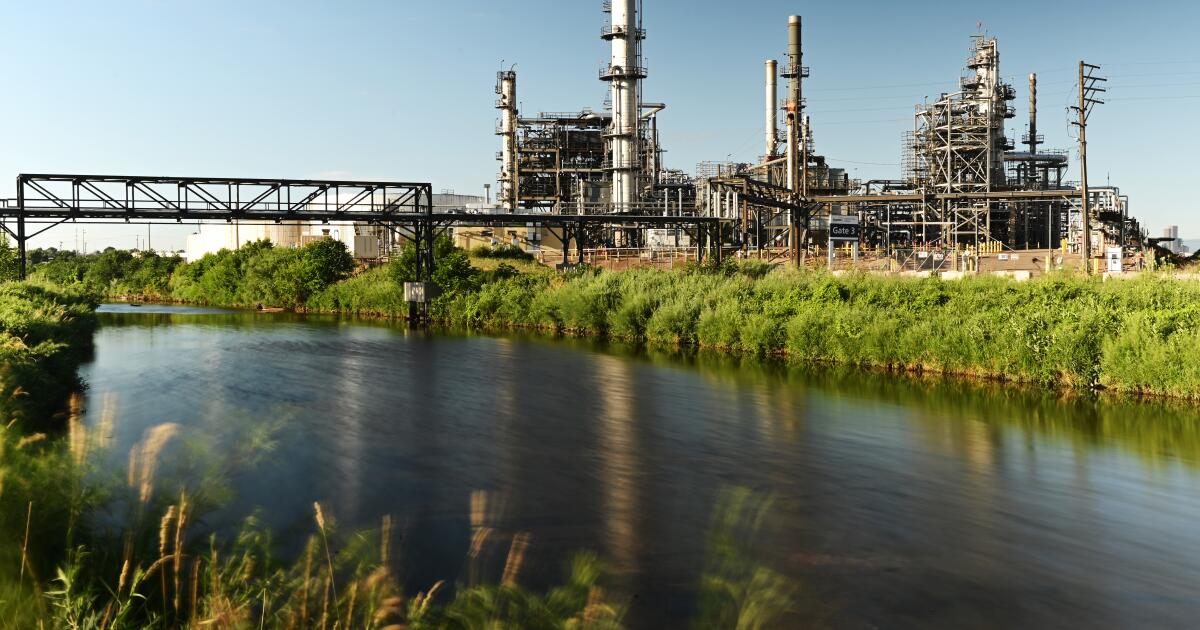
The U.S. Supreme Court is set to review an appeal by Exxon Mobil and Suncor Energy over lawsuits that hold oil companies accountable for climate change. This legal battle began when Boulder County, Colorado, claimed these companies misled the public about climate risks and should pay for the costs associated with managing climate impacts.
These lawsuits, if allowed to proceed, could potentially cost the oil industry billions. The court’s decision comes on the heels of support from conservative groups urging the justices to take on the appeal. Exxon and Suncor have responded strongly, saying the stakes are enormous and arguing that state lawsuits do not address a global crisis like climate change.
Boulder County is pushing back, asserting that the oil companies’ claims lack merit and arguing that energy policy should not be dictated by a single city.
The Supreme Court will hold discussions about this case, called Suncor v. County Commissioners of Boulder County, starting in October. This appeal follows other similar cases where the court previously refused to side with oil companies trying to move lawsuits to federal courts, where they often have an advantage.
Recent statistics reveal that over 70% of Americans support holding fossil fuel companies accountable for their role in climate change. This public sentiment strengthens the case for Boulder and other municipalities seeking justice.
The current legal landscape reflects a growing trend where cities and states are taking climate action into their own hands. This could mark a significant shift in how responsibility for climate change is perceived, particularly against the backdrop of historical inaction at the federal level.
For more context, a recent study from the Environmental Protection Agency highlighted that climate change could cost the U.S. economy up to $2 trillion by 2100, further emphasizing the urgency of addressing these issues.
As these legal battles unfold, they may pave the way for future policies that hold large corporations accountable for their environmental impact.
Source link
