
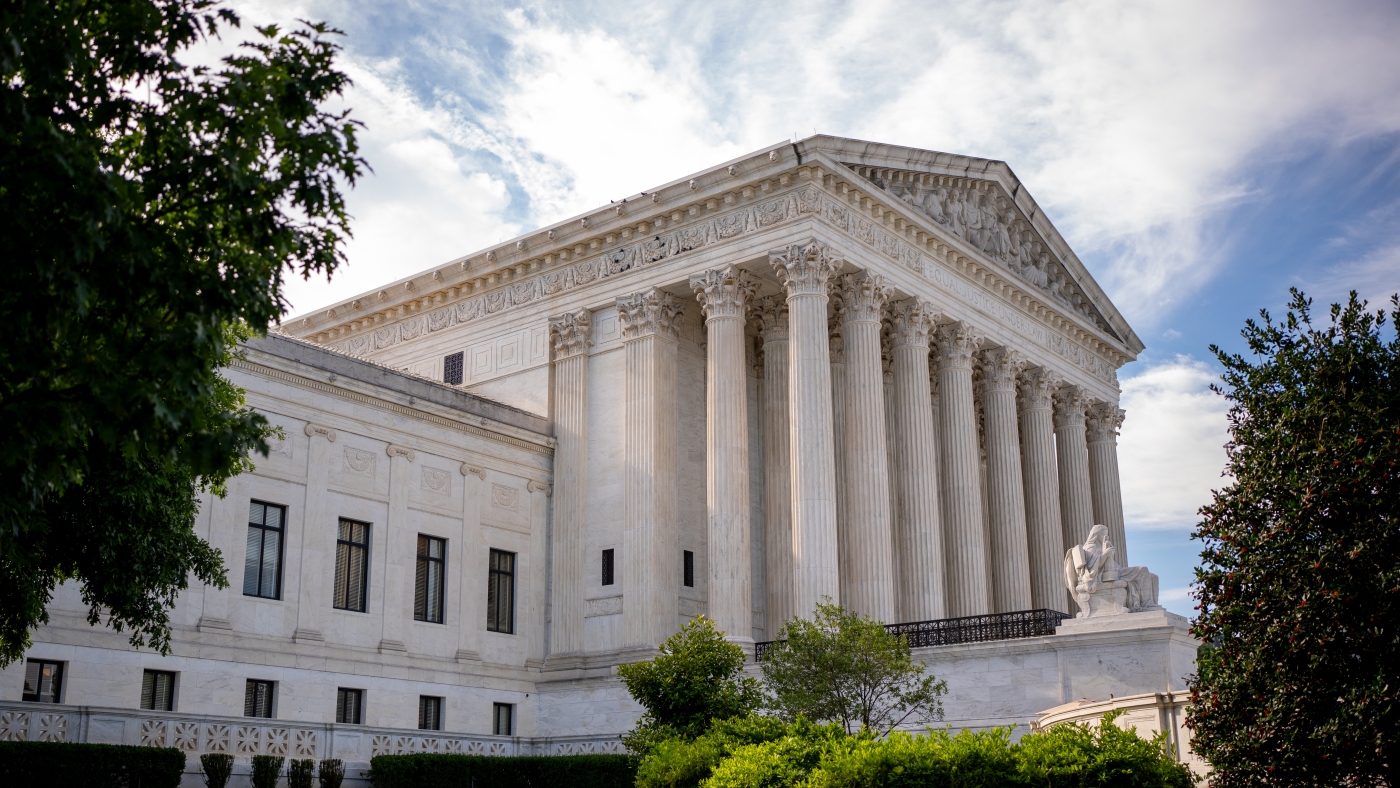
The Supreme Court is set to hear a significant case that could change how internet providers handle copyright issues. At the heart of this case is a billion-dollar lawsuit involving Cox Communications, a major internet service provider, and a coalition of music labels. The music industry claims Cox should be liable for copyright violations committed by its users.
The lawsuit argues that Cox ignored repeated warnings about specific users who were known for illegally sharing music. Despite receiving numerous notices about these infringements, Cox allegedly did not take adequate measures to stop them. The coalition claims that Cox’s efforts to combat copyright violations were minimal at best.
In a notable moment during the case, the coalition highlighted that a Cox manager displayed a dismissive attitude toward the law, stating, “F the DMCA!!!” This raises questions about the company’s commitment to compliance.
A jury has already sided with the music labels, awarding them over a billion dollars in damages. They suggest Cox prioritized profits over legal obligations.
On the flip side, Cox argues that it should not be held responsible for its customers’ actions since it does not encourage piracy. The company mentions that less than 1% of its customers engage in copyright infringement and claims to have successfully reduced that number significantly.
Some experts are watching this case closely. They believe that the outcome could impact internet providers nationwide. If the court sides with the music labels, it could force providers to be more vigilant about monitoring user activity. This may result in internet service being revoked for entire households or businesses if a single user is found to be infringing on copyrights.
Recent data shows the importance of this case. A survey from the Internet Association found that 76% of Americans are concerned about the potential loss of internet access due to policy changes. This indicates that the public is wary of the implications of stricter regulations.
The Supreme Court’s decision, expected this summer, will be critical not just for Cox, but for the future of internet service providers and copyright law in the digital age.
Source link
