
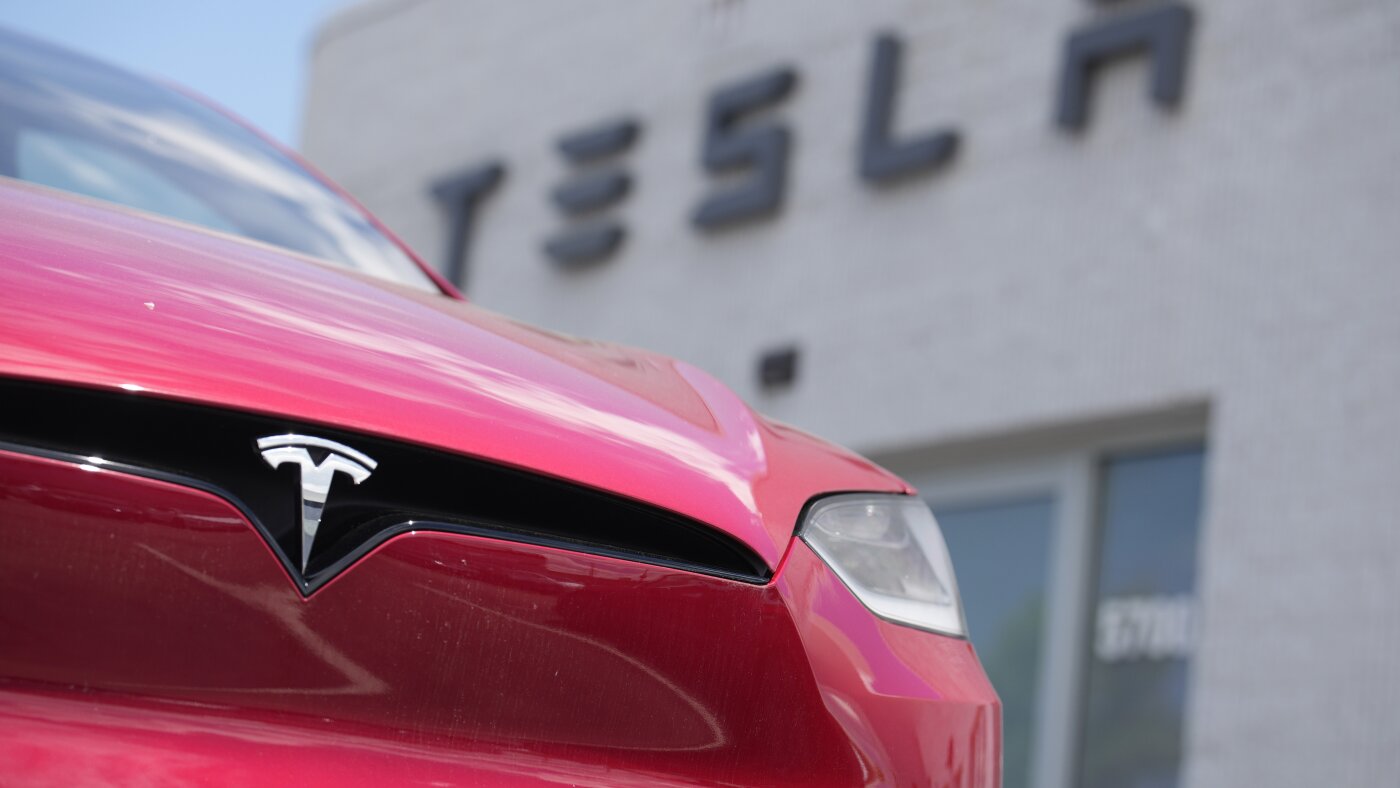
Tesla’s recent earnings report revealed a staggering 46% drop in profits compared to last year. While this might sound alarming, it was actually a bit better than analysts expected. Tesla has been struggling with declining car sales for a while now, particularly under fierce competition from Chinese manufacturers.
Once the leader in electric vehicles (EVs), Tesla now faces a tough market. The brand reputation is fading as it tries to shift from being just a car company to also focusing on advanced technology like self-driving vehicles and robots.
Recently, Tesla announced it will stop making its luxury models, the Model S and Model X. These cars, although less produced than the more popular Models 3 and Y, held significant value for the brand. The Model S, touted as a revolutionary electric car, marked a major milestone for Tesla and EVs in general.
Instead, Tesla is directing efforts towards its unique “Cybercab,” a vehicle designed without traditional driving controls, aimed at the robotaxi market. Elon Musk has stated that he expects future rides to be mostly autonomous, predicting only a tiny fraction of miles driven will involve human drivers.
The shift has led to significant investments; Musk forecasts spending around $20 billion in upcoming years to support these changes, focusing more on AI and robotics. The production lines for the Model S and X are being retooled for the “Optimus” humanoid robot.
Shifting Market Dynamics
In 2025, a different game emerged with the Chinese automaker BYD selling over 2.25 million electric vehicles, leaving Tesla trailing at 1.65 million. This marks the second consecutive year of sales declines for Tesla. As consumer demand fluctuates, especially with changes in EV incentives under different political administrations, the landscape remains uncertain for the future of Tesla and EVs in the U.S.
While sales in the U.S. are softer, the global picture is different. In Europe, EV registrations surpassed those of gasoline vehicles for the first time, showing a continued rise in consumer interest. China leads the world, with most new car sales being electric or hybrids. Companies like Geely and SAIC are recording significant growth, further emphasizing the changing dynamics in the EV market.
Public Perception and Loyalty
Interestingly, consumer sentiment about Tesla has soured. A recent poll found that while many car brands maintain a positive public perception, Tesla struggles. Only 27% of Americans view the brand positively, while 37% have a negative view. This negative shift poses a challenge to Tesla’s previously loyal customer base. More current Tesla owners are showing willingness to consider other brands, which is a notable change from past trends where loyalty was exceptionally high.
Elon Musk’s focus on AI and robot technology, while ambitious, may not be resonating with the public. Surveys indicate that many consumers are skeptical about the safety and practicality of autonomous vehicles. This skepticism, coupled with the controversial nature of autonomous technology, could hinder Tesla’s efforts to rebuild its brand reputation.
In summary, while Tesla is making bold moves towards future technologies, it faces significant hurdles. The competition is tightening, public perception is waning, and the path forward is rife with uncertainty. Tesla’s ability to adapt and innovate in this fluid environment will determine its future success.
