
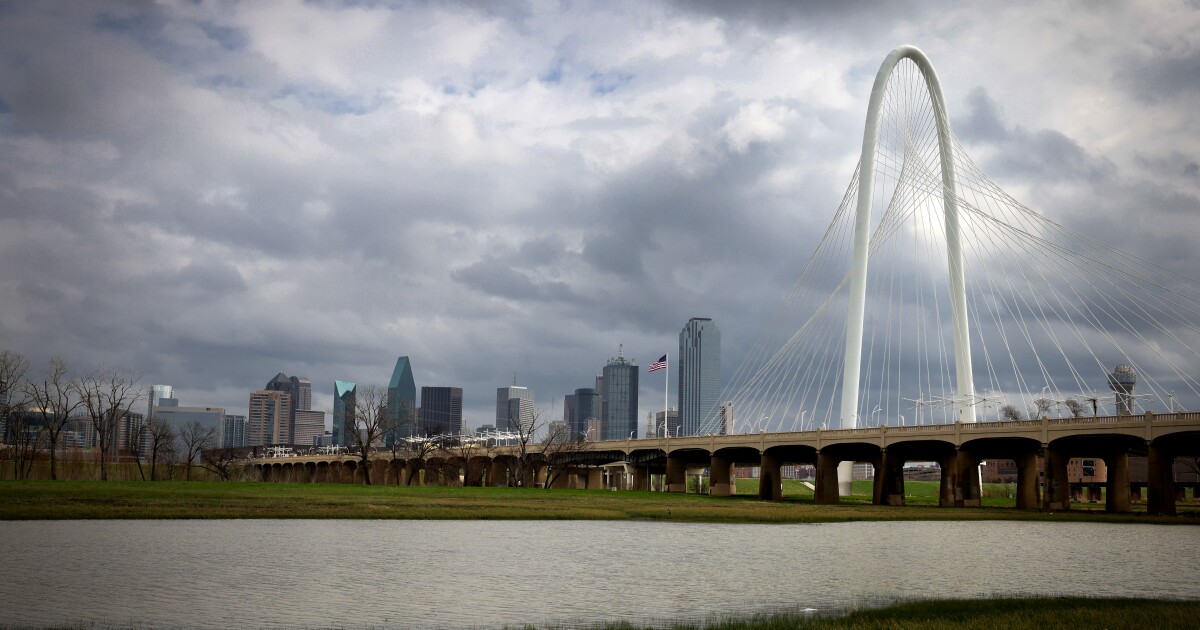
Texas just came out of an unusually warm and dry winter. Many parts of the state recorded the highest temperatures and lowest rainfall on record. Most days, the temperatures soared about 10 degrees above normal. Interestingly, the winter of December 2025 to February 2026 was ranked as one of the two warmest winters ever in the United States.
In the Dallas-Fort Worth area, it was the 11th driest and third warmest winter since records began in 1898. Even with a few cold snaps, heat dominated the season. Dr. Yunyao Li, an assistant professor of earth and environmental sciences at UT Arlington, noted that this winter had “sharper swings between mild conditions and extreme events.” The winter months weren’t just warm overall; they experienced a mix of consistently high temperatures, with only January seeing a significant drop at night.
According to Miles Langfeld from the National Weather Service, a strong La Niña was a major factor behind the toasty winter. This weather pattern, caused by cooler sea surface temperatures in the Pacific, often shifts the jet stream north. As a result, it allows milder conditions to take over Texas. But he warned that even during La Niña years, the state isn’t entirely safe from cold snaps, recalling recent severe winter storms.
This current La Niña event started in mid-2024 and has created back-to-back warm winters. If the pattern continues, Texas might face even more dry and warm winters in the future. Dr. Li expressed concerns about this trend, noting it could lead to more frequent warm winters, leaving the state vulnerable to water shortage issues.
A professor at the University of Texas at Austin, Zong-Liang Yang, highlighted another consequence of these dry conditions: difficulty in managing water resources. The soil’s inability to soak up rain can lead to significant challenges for local water supplies when rain does finally arrive.
The data over the past two decades shows that many of the warmest winters in North Texas have occurred recently; nine of the top twenty warmest winters have been in the last 20 years. Surprisingly, winter temperatures are rising faster than other seasons, increasing by over 1.2 degrees Celsius in the last century. Yang explained this situation by saying it’s not just a warming climate causing temperatures to rise; atmospheric events play a significant role, adding variability year by year.
Residents have already begun noticing the impact of climate changes, especially in urban areas. Caleb Roberts, affiliated with the climate advocacy group Downwinders at Risk, pointed out that warmer weather can worsen air quality. As temperatures rise, pollution tends to get worse too. “When it’s warmer, pollution increases, and I’m worried about how this winter’s extremes will affect the coming summer,” he said.
Especially for those living near industrial zones or highways, rising temperatures can significantly affect health. Roberts warned that these issues are not distant concerns but are already impacting certain communities. “We’ll see people staying indoors more due to health worries,” he predicted, expressing concern about widening inequality in access to weather resilience.
Moving into spring, the dry winter increases risks for wildfires and dust storms. Parched soil can lead to a surge in wildfire activity, especially in the western parts of North Texas and the Texas Panhandle, where conditions have already become critical.
As Texas grows—adding over 234,000 people just last year—the stakes for effective climate planning are rising. With more people and infrastructure exposed to climate risks, it becomes vital to strengthen resilience. Dr. Li admitted that while we might soon expect cooler, wetter weather due to a shift away from La Niña, the longer trend remains troubling. “This temporary change shouldn’t make us complacent; it’s essential to prepare for future extremes,” he cautioned.
For more on climate change and its impact on weather patterns, you can visit the National Oceanic and Atmospheric Administration (NOAA).
