
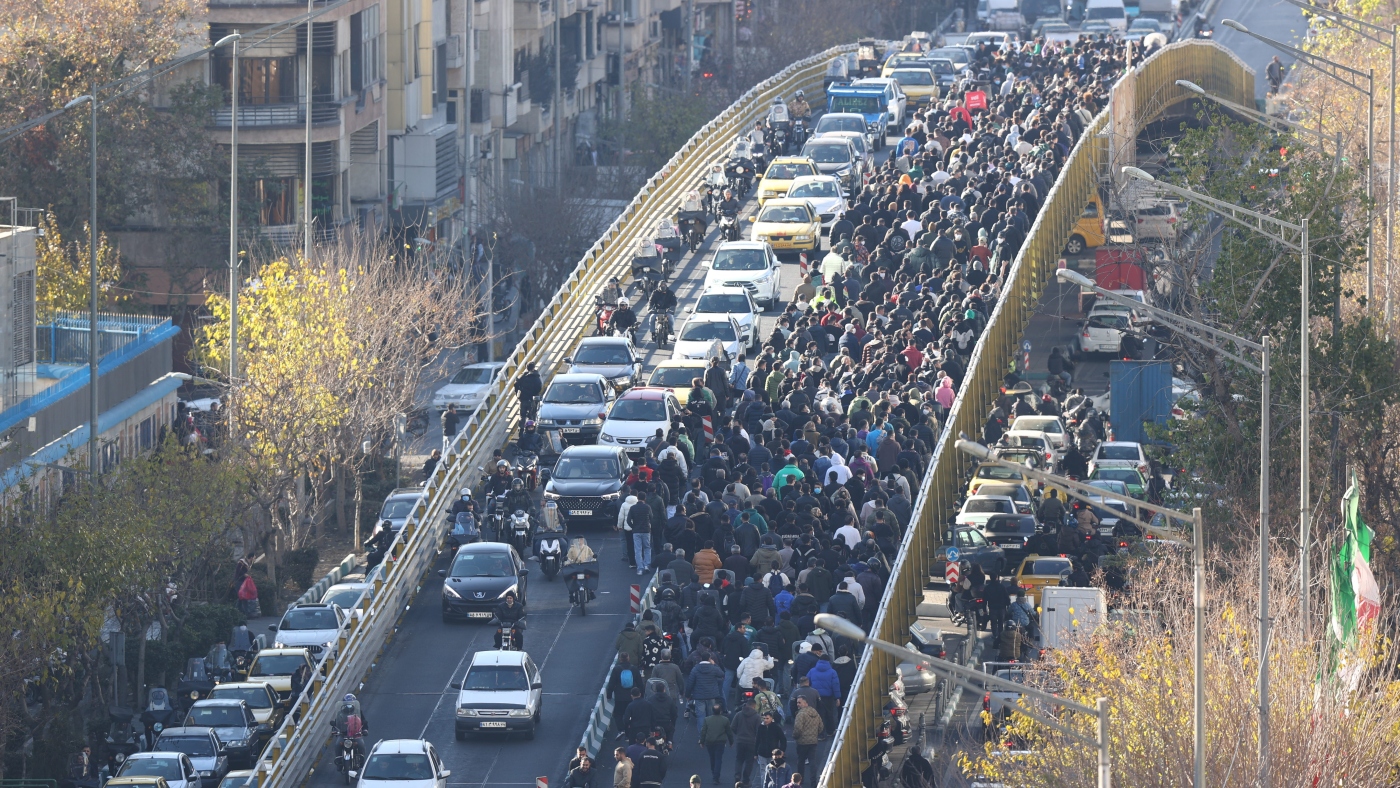
Unrest in Iran: A Closer Look at the Current Protests
Recent protests in Iran have gained significant momentum, fueled by widespread public dissatisfaction over the economy. What began as small gatherings has now spread to rural areas, with reports indicating at least seven fatalities among both security forces and demonstrators.
These protests are the largest seen in Iran since the massive demonstrations of 2022, which erupted after the tragic death of Mahsa Amini. Amini, a 22-year-old woman, lost her life while in police custody, igniting a nationwide outcry against the government. However, current protests have not yet reached the same intensity or scale as those that followed her death.
The Current Situation
Harsh responses from the Iranian government are beginning to emerge as protests escalate. Azna, in Lorestan province, has witnessed some of the worst violence, with videos showcasing clashes and chaos. Protesters chanted accusations against the government, reflecting their anger and frustration. Militant groups and some media reports indicate fatalities among both protesters and security personnel, although much coverage remains limited.
In Lordegan, videos showed demonstrators in a tense standoff, with gunfire echoing in the background. Reports suggest that two protesters have also been killed there, while separatist reports indicate that police violence was a contributing factor to these deaths.
Causes of Protests
Iranian leaders attribute the unrest primarily to economic hardships. Inflation and rapidly falling currency rates have placed immense pressure on ordinary citizens. The Iranian rial has plummeted in value, now costing around 1.4 million rials for just one U.S. dollar. Local officials, like Kazem Nazari, claim that these economic difficulties have sparked legitimate grievances.
Saeed Pourali, a deputy governor in Lorestan province, echoed this sentiment when he noted that the protests stem from “livelihood concerns.” He urged the government to listen carefully to the citizens’ demands while warning against outsiders seeking to exploit the situation.
Historical Context
Historically, Iran has seen waves of protests driven by similar factors. For instance, in 2019, demonstrations erupted over a sudden hike in fuel prices. Those protests also faced a brutal crackdown, leading to hundreds of deaths. The re-emerging discontent today reflects a continuation of these unresolved economic issues and frustrations with government policies.
What’s Next?
As unrest continues, international observers are watching closely. Iranian state officials, caught between internal pressures and external diplomatic challenges, have indicated potential openness to dialogue but appear largely constrained in their ability to effect meaningful change. The government enacted a public holiday to deter protests, perhaps signaling its understanding of the unrest’s seriousness.
Social media has been a powerful tool for protesters, helping to amplify their voices and feelings of anger. Posts highlight not only economic struggles but also calls for political reform, revealing a broader discontent with the status quo.
With the stakes higher than ever, only time will reveal how these protests will affect Iran’s political landscape and international relations. For ongoing updates, credible sources like Human Rights Watch and Reuters regularly report on developments in Iranian protests and governance.
