
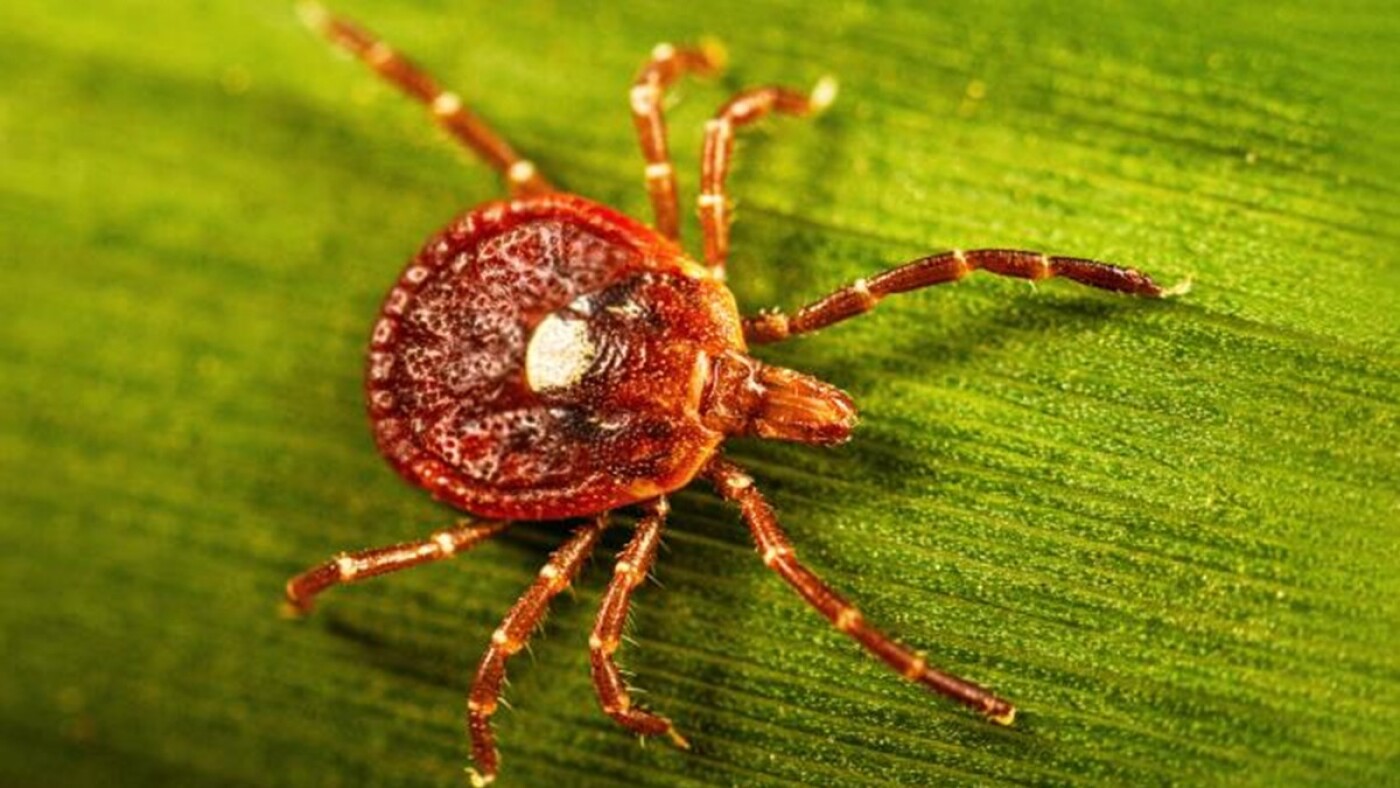
Researchers have documented a troubling case related to alpha-gal syndrome, a rare condition that causes a severe allergic reaction to red meat. This syndrome is linked to bites from lone star ticks. According to a study from the University of Virginia, a 47-year-old pilot in New Jersey tragically died after experiencing sudden health issues following a barbecue meal.
The man fell ill about four hours after eating a hamburger. His son later found him unconscious, and he was pronounced dead at the hospital. An autopsy revealed a “sudden unexplained death.” Two weeks prior, he had reported stomach pain and discomfort after a steak dinner but had chosen to forgo medical help.
Tests conducted posthumously confirmed he had developed an allergic reaction. Earlier that summer, he had several small bites on his ankles, likely from lone star ticks. It seems these bites may have triggered his condition, leading to a fatal allergic response.
Understanding Alpha-Gal Syndrome
Alpha-gal syndrome causes an allergy to meat from mammals like cows and pigs due to a sugar molecule called alpha-gal. This molecule is present in tick saliva, and once introduced into the human body, it can trigger a severe allergic response after meat consumption, typically within a few hours.
Dr. Saravanan Thangamani, from Upstate Medical University, emphasizes that the body treats the alpha-gal molecule as a foreign invader, which can result in anaphylactic shock. This response can be life-threatening if not managed quickly.
Between 2010 and 2022, the CDC reported over 110,000 suspected cases of alpha-gal syndrome, but they estimate the actual number may be much higher—up to 450,000 people might be affected, as many remain undiagnosed. Alarmingly, a CDC report released in July 2023 found that 42% of surveyed healthcare providers were unfamiliar with the condition.
The American Gastroenterological Association recommends anyone with unexplained gastrointestinal issues, such as diarrhea or abdominal pain, to consult a physician for testing.
The Rise of Lone Star Ticks
Lone star ticks are primarily found in the South, East, and Central regions of the United States. Dr. Thangamani noted a concerning trend: the number of these ticks has doubled in New York this year alone, suggesting they are expanding their geographic range.
Preventing bites from these ticks is critical. Since there’s no vaccine against alpha-gal syndrome, avoidance is key. People are advised to wear tick repellent, protective clothing, and to stay clear of known tick habitats.
If bitten, it’s important to remove the tick promptly and keep it in a plastic bag for identification and potential testing. Quick removal can help prevent complications related to tick-borne illnesses.
In summary, the case of the New Jersey pilot underscores the seriousness of alpha-gal syndrome. With rising tick populations and increasing numbers of allergic reactions to red meat, awareness and preventive measures are essential.
For more information, you can read the CDC’s 2023 report on the matter.
