
From February 25 to March 2, leaders from Special Olympics Health and the Golisano Foundation traveled across Ireland. Their mission? To explore the inclusive health programs enriching the lives of athletes and to meet the passionate people driving these initiatives.
The journey began in Dublin, where the team learned about the impactful work of Special Olympics Ireland. They heard presentations showcasing partnerships aimed at enhancing health policy for athletes with intellectual and developmental disabilities (IDD).
A highlight was Ashwin Maliyakal, a 22-year-old basketball player and ambassador for Special Olympics Ireland. He spoke about a health passport created for individuals with IDD. This tool helps them track their health needs, making it easier for healthcare providers to offer appropriate care. This innovative passport has gained recognition as a promising practice that could inspire similar efforts in other nations.
Adding depth to the conversation was Margaret Turley, a long-time Special Olympics athlete. She introduced a program that helps people with IDD understand breast cancer signs and how to perform self-exams. This initiative, developed in collaboration with Breast Cancer Ireland, has been praised by the World Health Organization as a model for inclusive health practices.
“It’s humbling to see our Health Messengers share their stories,” said Dr. Dimitri Christakis, Chief Health Officer of Special Olympics. “They embody the message of inclusion in a way that resonates with everyone.”
After Dublin, the group visited Ulster University in Belfast, which received the 2025 Golisano Health Leadership Award for its exceptional commitment to inclusive health education. The university is pioneering research that ensures healthcare professionals are trained to think inclusively about patients with IDD.
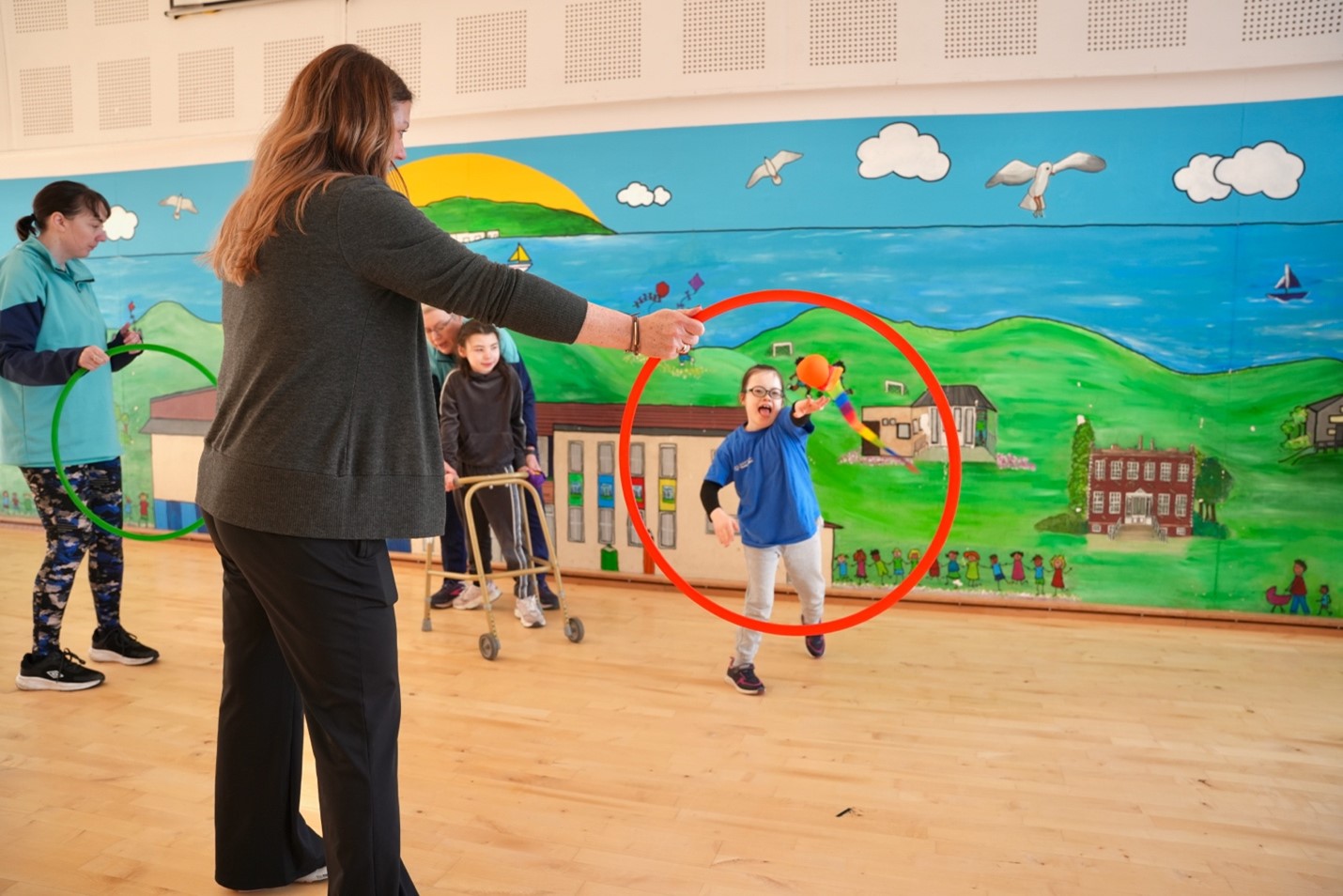
Next, the team witnessed a Young Athletes training session in Dublin, where kids aged 2 to 7 practiced fundamental motor skills together. These activities not only support physical development but also foster social connections among families.
One noteworthy program introduced during the visit was the Motor Activity Training Program (MATP), designed for athletes requiring high support. The emphasis is on enjoyment rather than competition, allowing everyone to participate.
On the final day, they visited Trinity College Dublin, where researchers discussed their groundbreaking work on health and aging for people with IDD. Their initiative, the Rosemary Collaboratory, aims to address global health inequities experienced by those with IDD and includes partners from nine different countries.
Throughout the visit, it became clear that collaboration is key to advancing inclusive health. Erica Dayton, Executive Director of the Golisano Foundation, remarked on the inspiring community of athletes, educators, and researchers that are transforming lives in Ireland.
As Dr. Christakis put it, “The Golisano Foundation has been transformative for us. Their support has made a global impact on Special Olympics Health work.”
Together, these experiences showcased how innovative health programs can uplift the lives of individuals with IDD. Ireland stands as a shining example of what can be accomplished through teamwork and dedication to inclusive health practices.
Source link
