
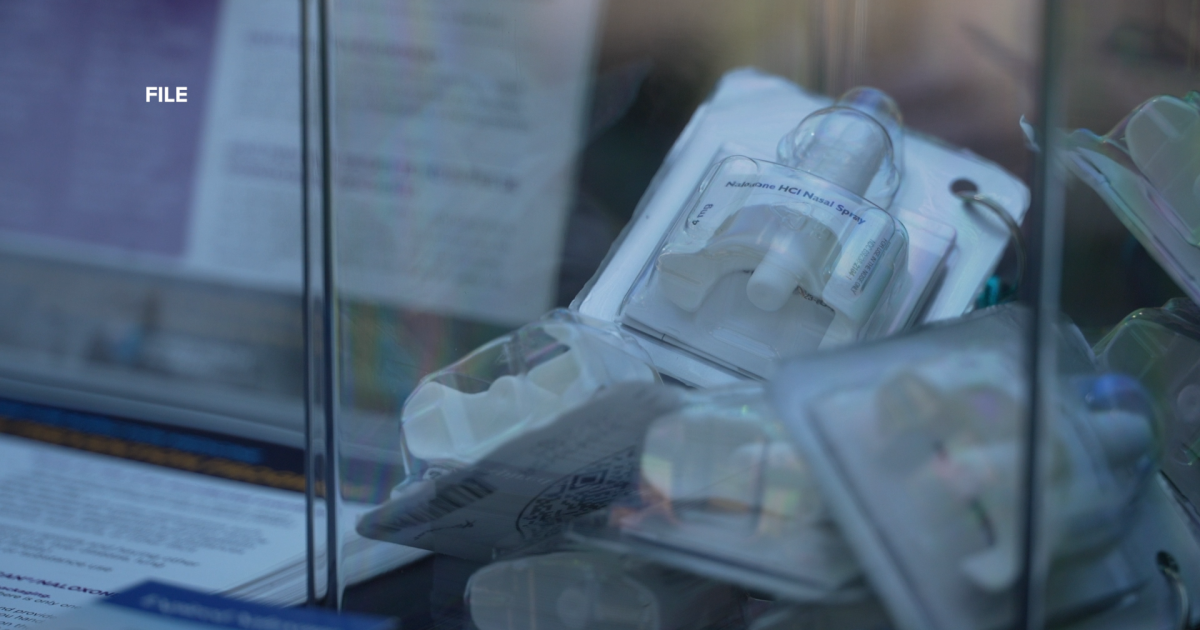
In Denver, the opioid crisis is hitting communities of color particularly hard. A recent study from Denver Health highlights that Black, Hispanic, and Asian adults are much less likely to use naloxone, a lifesaving medication that can reverse opioid overdoses. Experts say this issue mainly stems from a lack of access.
This was starkly illustrated during an event at the Denver Public Library. As staff showcased an exhibit aimed at combatting substance use stigma, a library visitor fell unresponsive. Quick actions by Brooke Bender, director at Denver Health’s Center for Addiction Medicine, and peer-support specialists led to a successful naloxone intervention. They administered naloxone from their booth and revived him before paramedics arrived.
Bender emphasized the importance of having naloxone on hand: “Even if you don’t use substances, carrying naloxone allows you to help someone in need.” This incident serves as a powerful reminder that anyone can save a life with naloxone ready to use.
Naloxone is both simple and accessible. Bender explained, “You don’t need medical training. Just follow a few easy steps.” It comes in an easy-to-open package and can be administered as a nasal spray. “Even expired naloxone can still be effective,” she pointed out, encouraging people not to discard it carelessly.
Challenges extending beyond awareness also hinder access to naloxone. Dr. Joshua Black, a researcher, emphasized that disparities exist at various levels, from knowledge to possession. Cultural context plays a significant role too. Simply translating materials into another language may not be enough; outreach must be culturally relevant.
Stigma is another barrier. Many feel ashamed to carry naloxone or seek help. Black advocates alternative distribution methods: “Instead of forcing people to come to healthcare settings, we should take resources to where people are.”
Bender stresses the importance of preparedness. “Practicing how to use naloxone makes a difference in emergencies. Familiarity can help ease the shock of a crisis.” The value of peer support cannot be underestimated either. Those with lived experience can guide others who may be encountering these situations for the first time.
Beyond saving lives, the goal is to further integrate naloxone access within communities, offering hope even in the midst of a crisis. According to the National Institute on Drug Abuse, in 2020, more than 93,000 Americans died from overdoses—a 29% increase from the previous year. Creating accessible pathways for life-saving resources like naloxone is essential for everyone, particularly those who often lack access.
As the conversation continues about addressing these disparities, it’s clear that everyone has a role in combating the stigma and barriers surrounding naloxone. When prepared and educated, individuals can become agents of change in their communities, significantly reducing the impact of the opioid crisis.
For more information on naloxone and its life-saving potential, you can visit SAMHSA’s website.
Source link
Denver Health,Naloxone,Narcan,Opioid,Opioid Epidemic,Overdose,Stories in Black and White,Substance Use
