
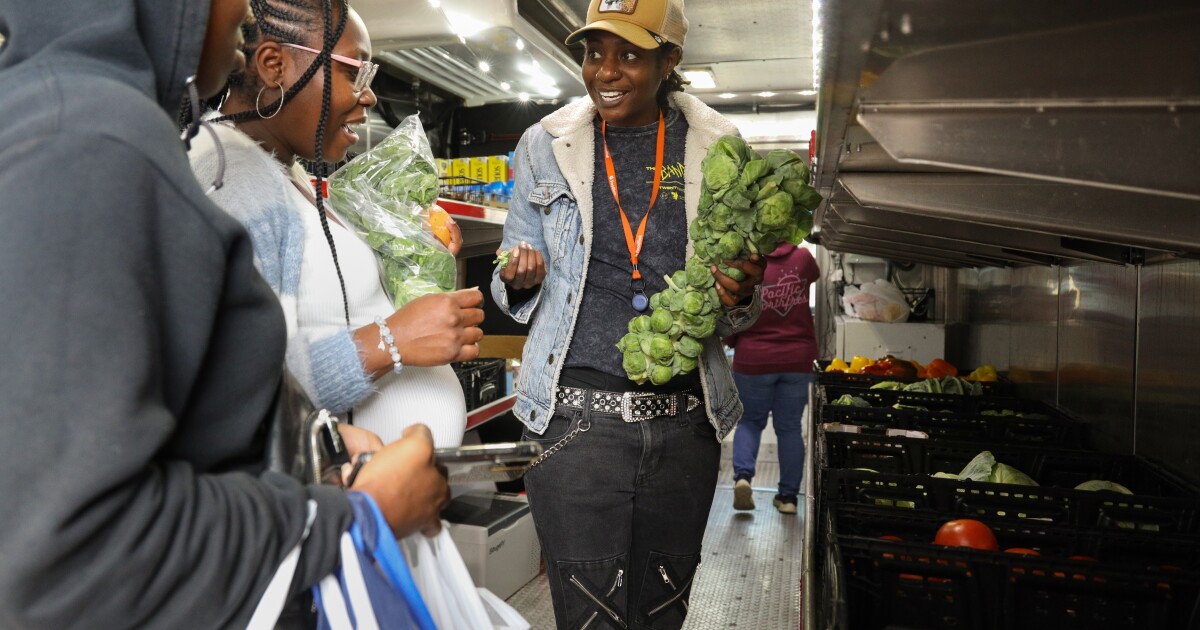
A new bill could bring fresh grocery options to underserved areas. The Food Retail Establishment Subsidization for Healthy (FRESH) Communities Act aims to provide $10 million in loans and grants. Its goal is to support the creation and expansion of grocery stores in places lacking sufficient food access.
Sen. April Baskin from Buffalo points to events like the 2022 Tops shooting as a wake-up call. After the store closed, food distribution sites had to step in to support local residents. “The FRESH Communities Act will help ensure that no community is left with limited options,” she stated.
This initiative also targets rural areas. Assemblymember Al Stirpe shared that he first proposed the bill to help Bridgeport, a Madison County town that lost its grocery store. “Grocery businesses often operate with thin margins. They need support to establish or grow their presence,” he explained.
However, past efforts raise questions about this approach’s effectiveness. In Rochester, city officials allocated $5 million in pandemic relief funds to attract grocery chains. Unfortunately, they were told that this amount was insufficient. They shifted focus to enhance local corner stores rather than secure larger grocery stores, but success has been limited.
A similar bill made it through the Assembly and Senate in 2024, yet Governor Kathy Hochul vetoed it. She expressed concerns that it duplicated other state-funded programs. Critics argue that those efforts primarily assist consumers, not increase food supply options.
Jessica Gilbert Overland, director of the Good Food Buffalo Coalition, emphasized the need for a comprehensive food system approach. She argues that it’s essential to make food accessible while also supporting programs like SNAP benefits to empower communities.
As budget discussions unfold, the funding for this program is included in the Senate’s proposal. Lawmakers are eager to reach an agreement, but if it doesn’t make it into the budget, they may pursue the bill separately. Stirpe remarked, “Getting this done quickly is ideal, but we are committed to exploring all options.”
The challenge of food access is not new. Historically, urban areas often struggle with food deserts, while rural communities face their own unique barriers. A study from the USDA shows that about 19 million people live in food deserts across the U.S. Addressing these issues remains vital to improving community health and well-being.
Source link
