
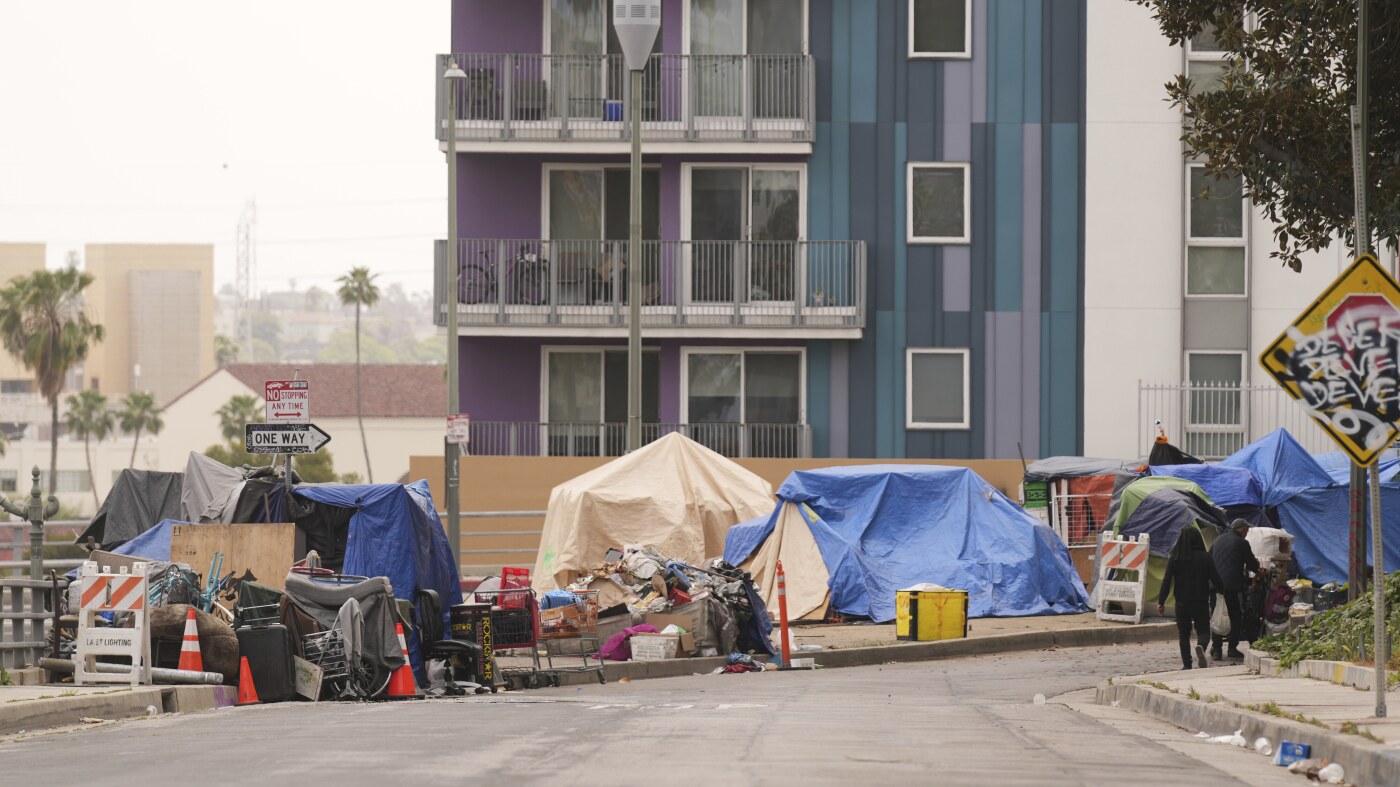
Recently, the Trump administration made significant changes to homelessness policy, shifting funding focus from long-term housing to transitional options that require work and addiction treatment. The Department of Housing and Urban Development (HUD) claims this will restore accountability and promote self-sufficiency by tackling underlying issues like drug addiction and mental health challenges. Interestingly, while overall funding for homelessness will increase from $3.6 billion to $3.9 billion, many worry this shift could put countless individuals at risk of losing their current housing stability.
Experts estimate that around 170,000 people might face housing insecurity due to this overhaul. Critics argue that the timing is particularly poor, as programs across the country will struggle to navigate new funding processes. They fear this could create significant gaps, leaving vulnerable populations without immediate support.
HUD’s policy expert, Robert Marbut, insists that the agency will act quickly to address these concerns. However, homelessness advocates highlight a critical issue: many existing programs won’t automatically receive renewals, which could force people, some of whom are seniors or disabled, out of the housing they’ve relied on for years. Ann Oliva, the CEO of the National Alliance to End Homelessness, stresses that these changes will likely lead to increased homelessness rather than alleviating the problem.
Under the new approach, funding may also favor areas that enforce bans on homeless encampments, raising further concerns. Jesse Rabinowitz from the National Homelessness Law Center points out that this lack of focus on affordability, namely the skyrocketing rent costs, remains a primary cause of homelessness.
Historically, federal support has leaned toward the “Housing First” model, providing permanent housing with additional resources for treatment—a method that has garnered bipartisan backing over the years. Yet, critics assert it hasn’t curbed the relentless rise in homelessness, which has reached harrowing levels. President Trump has pushed for a new direction, seeking to clear encampments and accelerate the process for involuntary commitments of the unhoused. This is a stark departure from past policies that treated homelessness with a focus on stabilizing living conditions first.
Marbut explains that past frameworks might have neglected the rising death rates among the unhoused due to substance abuse issues. He envisions a shift toward transitional housing—spaces for individuals to recover in a structured environment for about 18 months before moving on to independent living.
There is a consensus that the U.S. needs various types of support for homeless individuals, including treatment for mental health and addiction. However, experts warn that the new direction may complicate access to help. Stephanie Klasky-Gamer, CEO of LA Family Housing, cautions against moving away from trauma-informed care, stating that higher barriers to shelter access could backfire. Many individuals may struggle to qualify for shelters if they are required to be sober or in treatment, effectively cutting them off from vital support during critical recovery phases.
In conclusion, while the intention behind HUD’s new policies aims to foster independence, the potential consequences could exacerbate the homelessness crisis already affecting countless Americans. The ongoing dialogue surrounding these changes suggests that a holistic approach is necessary, combining immediate housing solutions with accessibility to essential services for lasting impact.
