
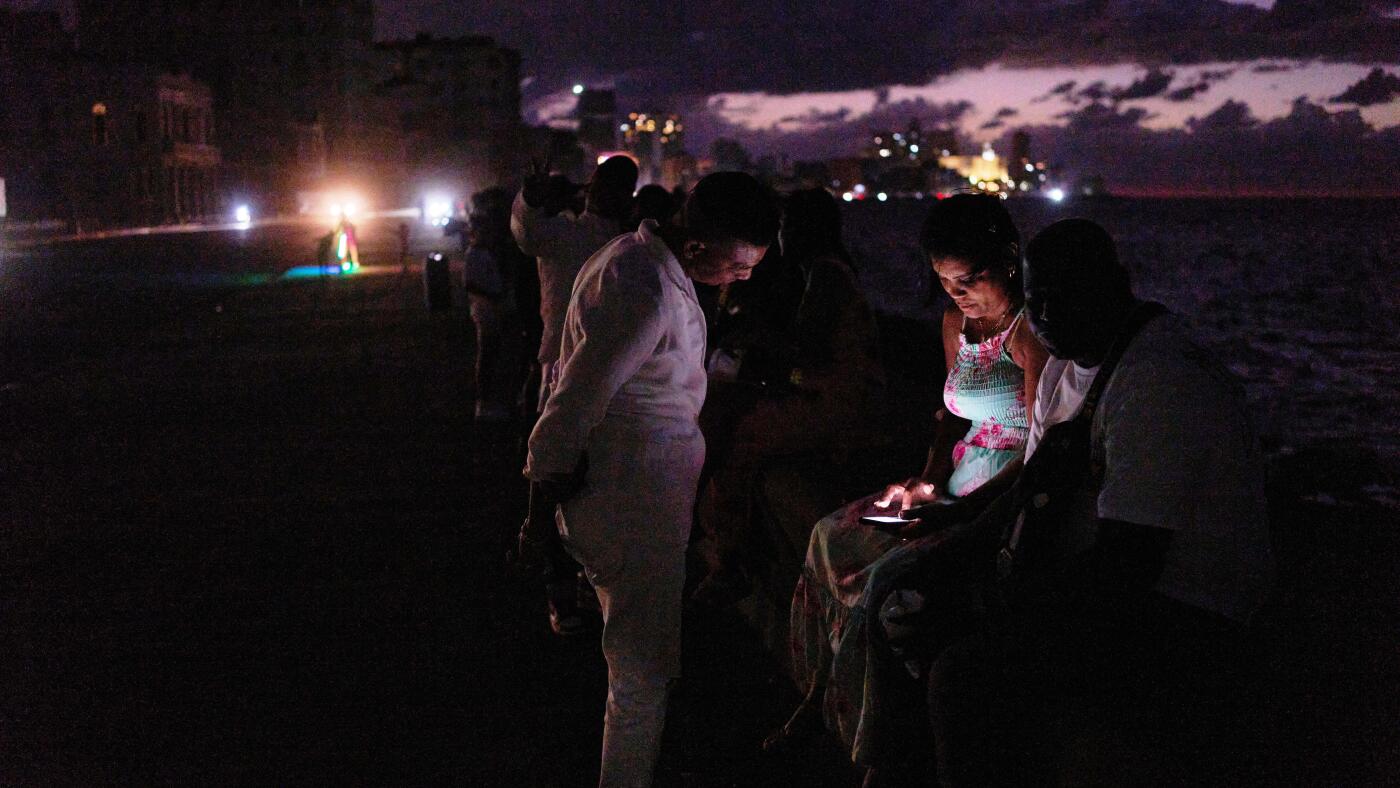
President Donald Trump recently made headlines by stating he has “no problem” with a Russian oil tanker supplying relief to Cuba. The island is struggling under the weight of a U.S. oil blockade that has deeply affected its daily life. Trump told reporters that he understands the need for humanitarian aid, saying, “If a country wants to send some oil into Cuba right now, I have no problem whether it’s Russia or not.”
The tanker, named Anatoly Kolodkin, was carrying around 730,000 barrels of oil and was expected to arrive in Matanzas soon. Despite U.S. sanctions against the vessel, which stem from the war in Ukraine, Trump showed a willingness to accept support for the Cuban population. This shipment could meet Cuba’s diesel demand for about nine to ten days, providing some relief to citizens facing rolling blackouts and a lack of essential services.
Cuba has been in crisis for years, grappling with widespread shortages of gasoline and medical supplies, which have severely hampered hospitals and public transportation. Recent reports indicate that many Cubans are suffering due to the blockade, which has cut off key oil shipments.
Historically, Cuba has been at the center of geopolitical tensions between the U.S. and Russia for decades. In light of this, Trump dismissed concerns that allowing the tanker to dock would benefit Russian President Vladimir Putin. He asserted that it wouldn’t make a significant difference to Russia. “It doesn’t help him. He loses one boatload of oil, that’s all it is,” he stated.
Experts note that, while Cuba’s leadership is facing criticism, humanitarian needs remain pressing. Allowing this oil shipment could provide crucial support for citizens in a time of dire need.
As this situation unfolds, it highlights the broader complexities of international relations and humanitarian issues. Current trends on social media reveal a divided public opinion on the effectiveness of the U.S. blockade. Some feel it’s necessary for diplomatic pressure, while others argue it’s the Cuban people who suffer the most.
The implications of these actions extend beyond oil; they touch on fundamental human rights, access to resources, and the everyday lives of Cubans.
For further reading on the impact of sanctions and international relations, you can refer to statements from the U.N., which discuss the humanitarian effects of such policies.
