
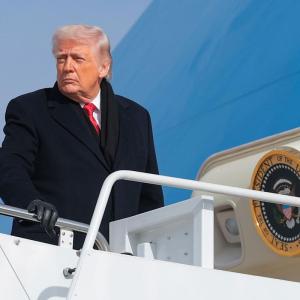
Donald Trump’s Board of Peace initiative has hit some roadblocks. Leaders in Europe are questioning its purpose. Some see it as just another way for Trump to exert control. Israel’s Prime Minister, Benjamin Netanyahu, has publicly opposed the board’s structure, particularly due to the inclusion of leaders from Qatar and Turkey.
Emmanuel Macron of France turned down an invitation to join, along with other leaders from the UK, Germany, Canada, and Sweden. Trump’s reaction was sharp, threatening a 200% tariff on French champagne as a consequence. This has illustrated the tension as some nations grapple with how to respond to Trump’s latest moves.
Reports indicate Trump is asking nations to pay $1 billion to join the board permanently. This demand has left many leaders scratching their heads, seeking clarification on where this money would go. Privately, some European officials express concern this board could rival the United Nations—an institution Trump has openly criticized for years.
Pulling membership away from traditional alliances raises questions about global diplomacy. A recent survey showed that 68% of diplomats are worried about the U.S. stepping back from cooperative agreements, particularly in light of ongoing global issues like the invasion of Ukraine by Russia.
Some countries, like Hungary, have accepted invitations, while others hesitate. For instance, Canada’s Prime Minister Mark Carney expressed interest in joining but emphasized that the terms need discussion. This reflects a broader trend where countries weigh their options against a backdrop of political shifts.
Social media reactions have been mixed. Some users see Trump’s actions as a strategic move to gain influence, while others criticize the potential for conflict. The general sentiment is cautious, with many people wondering what this could mean for future international relations.
With more nations likely to reject participation, the landscape is shifting. Ultimately, how this board evolves will affect global diplomacy, highlighting the delicate balance of power in international politics today.
As leaders decide how to navigate these complex waters, they will need to consider the broader implications for peace and cooperation across the globe.
Source link
Donald Trump, Board of Peace, Bloomberg, Prime Minister Mark Carney, Alexander Lukashenko, familiar, Hungarian Foreign Minister Peter Szijjarto
