
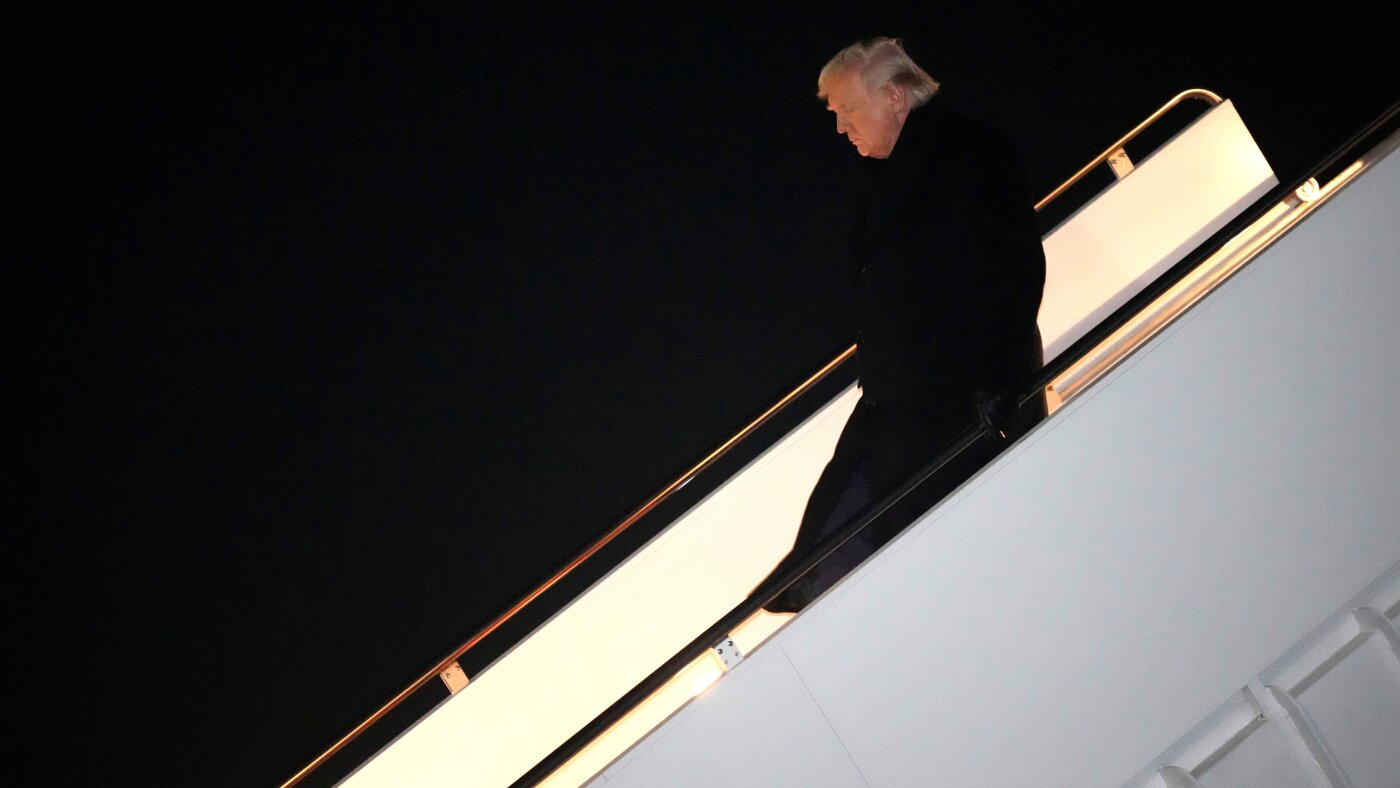
In a significant shift in political dynamics, the annual meeting of the National Governors Association (NGA) is facing turmoil. Traditionally a space for bipartisan discussion, this year’s event is marred by President Donald Trump’s decision to exclude Democratic governors from White House gatherings.
The NGA is now distancing itself from the event. Oklahoma Gov. Kevin Stitt, the NGA chair, announced that the White House intends to invite only Republican governors for meetings scheduled for February 20. In response, 18 Democratic governors declared they would boycott a traditional dinner at the White House, stating that they can’t engage in an affair that lacks inclusivity.
“If it’s true that not all governors are invited, we will not attend this year’s dinner,” the Democratic governors expressed. Their message was clear: they stand united to improve lives in their states, regardless of party lines.
This shift reflects a growing trend in American politics. According to a survey by the Pew Research Center, only 27% of Americans believe political leaders work together in a bipartisan manner. This stark realization emphasizes how political polarization is deeply affecting collaboration.
Amid the changes, Trump maintained that he has the right to invite whom he pleases to the White House, referring to it as “the people’s house.” This perspective can further deepen divisions, making discussion on critical state issues more challenging.
The NGA conference, set for February 19-21, has long been one of the few occasions for both parties to unite in finding solutions for community challenges. Brandon Tatum, the NGA’s CEO, noted the disappointment in the White House’s decision to turn the meeting into a partisan event, undermining its spirit of teamwork.
The tension isn’t a one-off. Last year’s meeting featured sharp exchanges between Trump and Maine Gov. Janet Mills, highlighting the growing discord among leaders. When Trump threatened to cut federal funding unless Mills complied with his stance on transgender athletes, her response was firm: “We’ll see you in court.”
These moments not only fuel the current political climate but also influence future partnerships. The fallout from last year’s exchanges led some Democratic governors to withdraw their support from the NGA, signaling that partisan rifts can have lasting implications.
As 2023 unfolds, the question remains: will states prioritize collaboration for their communities, or will partisan divides continue to rule the day? The choices made now could set the tone for the future of governance in America.
Source link
