
President Trump has often expressed a desire for the Nobel Peace Prize, frequently noting his claims of resolving conflicts worldwide in a matter of months. However, the outcomes of these efforts are mixed. While some agreements have been touted as successes, many are frail and disputed.
For instance, the peace agreement between Serbia and Kosovo, arranged with NATO and the European Union’s help, has held since 2020. Still, less coverage is given to ongoing tensions, like the conflict between Armenia and Azerbaijan.
Trump has also claimed success in easing tensions between Egypt and Ethiopia, despite their conflict being more about a dam than actual warfare. Max Boot, a senior fellow at the Council on Foreign Relations, describes these deals as overhyped. He points out that most are actually ceasefires rather than solid peace agreements, meaning hostilities can flare up again at any moment.
Consider the Kuala Lumpur Peace Accord between Thailand and Cambodia. After an initial agreement in late October, conflicts erupted once more within weeks, highlighting the fragile nature of such deals.
Ivo Daalder, former U.S. ambassador to NATO, underscores that deep-rooted issues require thorough diplomacy and time, which quick agreements don’t address. He believes that true peace is rooted in resolving underlying conflicts. Trump’s unorthodox methods can lead to unexpected results, pushing others to finalize agreements under pressure.
His attempts in the Gaza conflict are telling. Trump announced progress towards peace after securing the release of Israeli hostages, but low-level fighting continues, and a lasting resolution remains elusive. Daalder points out that the long-standing Israeli-Palestinian conflict is far from over.
Trump has also faced setbacks, such as his approach to tensions between India and Pakistan. Prime Minister Modi disputed his claims of mediating a solution, especially after Trump imposed tariffs on Indian imports, evidencing a strain in U.S.-India relations.
Nonetheless, some advancements are notable. Trump played a role in normalizing relations between Israel and several Arab nations, including the UAE and Bahrain. These agreements have opened doors for travel and trade, an impressive feat in the complex landscape of Middle Eastern politics.
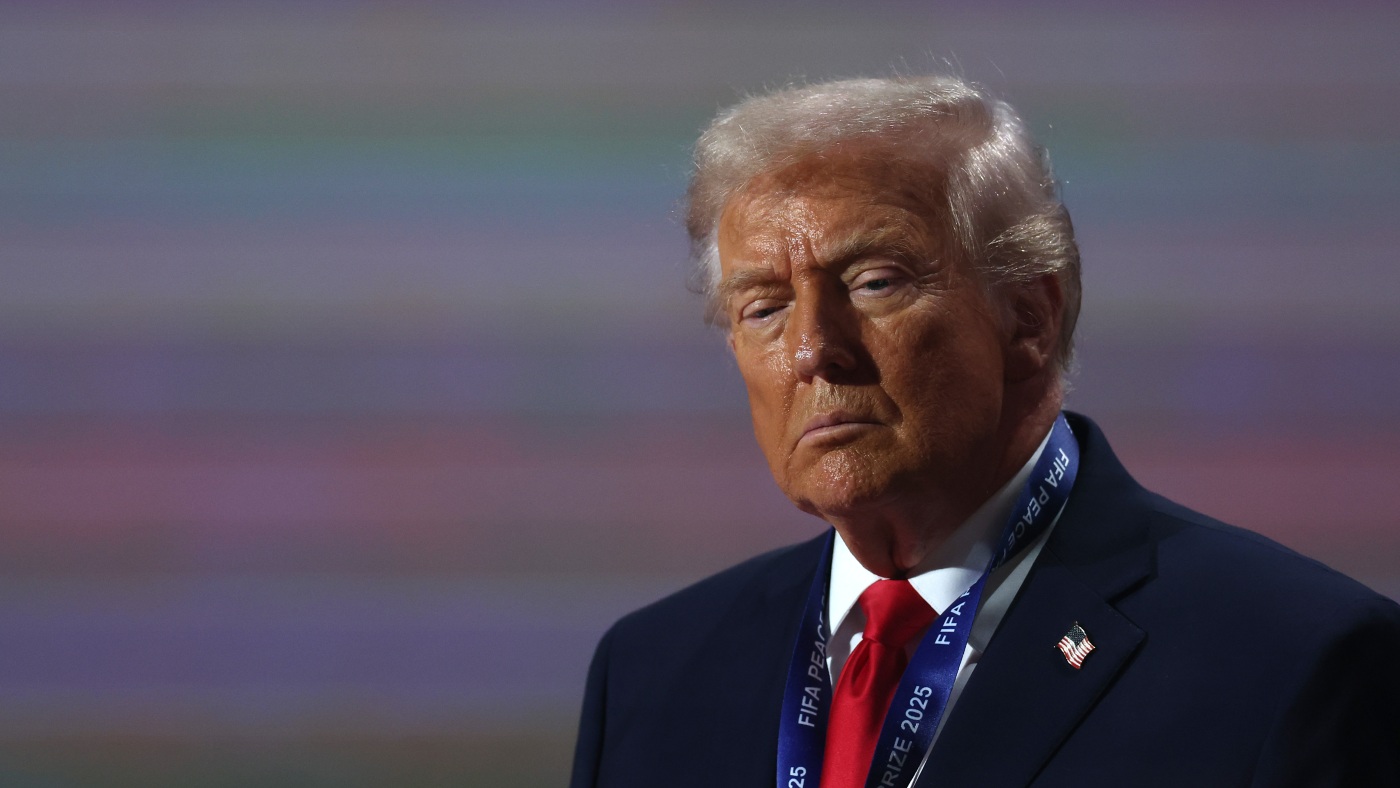
However, Trump’s pursuit of a Nobel Prize contrasts sharply with his tough stance on issues like Venezuela, which could hinder his image as a peacemaker. This year’s Nobel went to María Corina Machado, a Venezuelan opposition leader, while Trump has been given the inaugural FIFA peace prize, uniting sports and his peace efforts under one banner.
In the ever-evolving realm of international relations, Trump’s methods and their outcomes remain a subject of much debate and ongoing analysis.
