
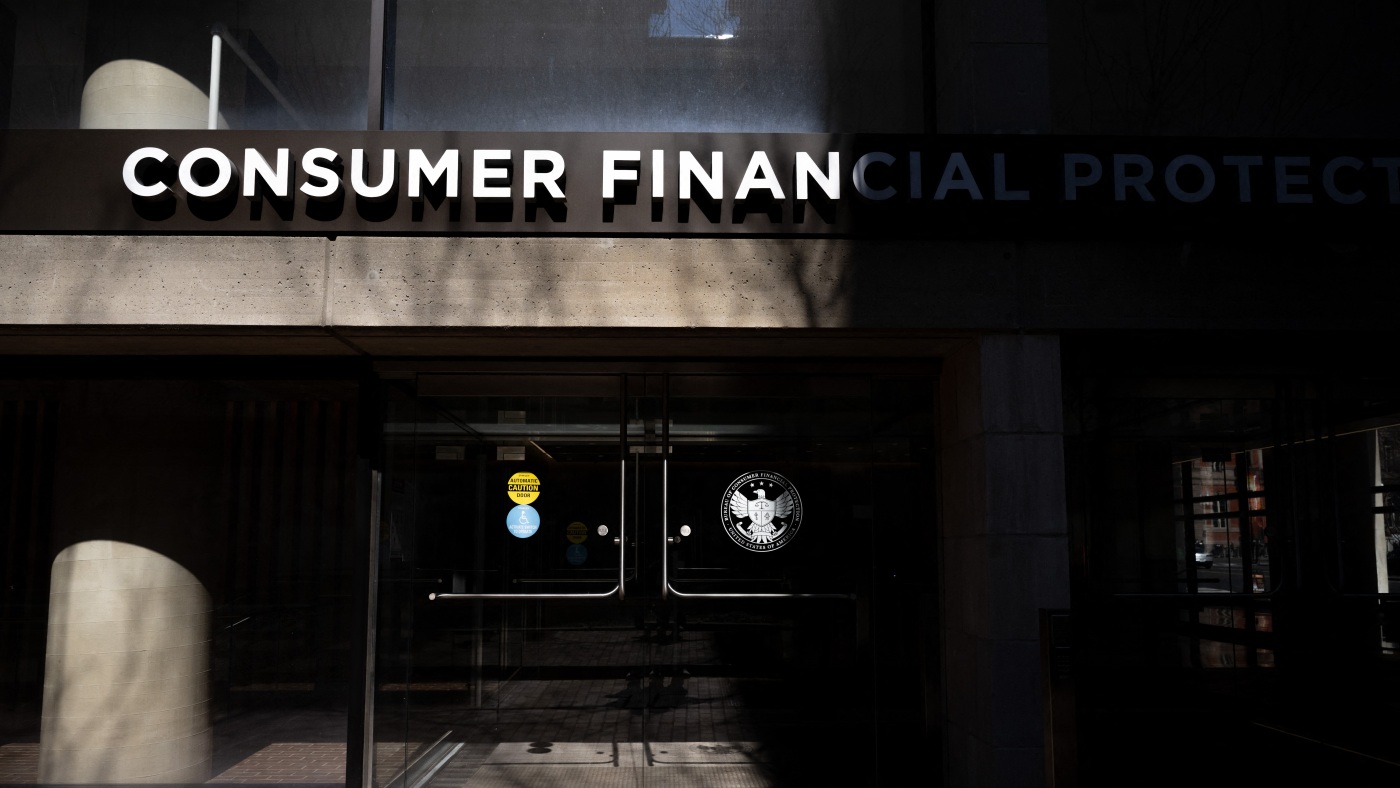
A group of 21 states and the District of Columbia recently filed a lawsuit against the Trump administration. They are trying to stop a move to defund the Consumer Financial Protection Bureau (CFPB), which is set to run out of money soon.
The CFPB is unique because it gets its funding from the Federal Reserve, which is meant to keep it independent and free from political pressure. However, the acting director, Russell Vought, has decided not to accept money from the Fed. This has sparked a fierce debate about what “combined earnings” really means in relation to the agency’s funding.
According to the states involved in the lawsuit, Vought is misinterpreting the law. They claim he is focusing on profits when lawmakers meant broader income sources. This narrowed interpretation puts the CFPB at risk of losing all funding by January 2026, which could severely harm consumer protections, especially against predatory lending.
New York Attorney General Letitia James, who is leading the coalition, emphasized that the CFPB plays a vital role in collecting consumer complaints. Without funding, the agency can’t operate effectively, making it harder for consumers to get justice against bad actors.
Historically, since its creation after the 2008 financial crisis, the CFPB has faced resistance from many conservatives who believe it overreaches its authority. They argue that it lacks accountability to Congress.
A recent study by the Pew Charitable Trusts found that 90% of Americans support a strong CFPB, indicating widespread public backing for consumer protection efforts. As tensions rise, this legal battle highlights the ongoing struggle between consumer advocacy and political maneuvering.
The outcome of this lawsuit could reshape how consumer protections are enforced in the U.S. It’s crucial to watch how it unfolds, as it may influence future policy and the agency’s ability to serve the public effectively. For more details about the lawsuit, you can check the full complaint here.
