
Belem Climate Talks: A Mixed Outcome on Climate Action
In Belem, Brazil, climate talks wrapped up with a deal aimed at helping countries hit hardest by climate change. However, many expected more concrete steps to phase out fossil fuels and cut emissions, which were not addressed adequately.
The Brazilian hosts pledged to create a roadmap for moving away from fossil fuels, collaborating with Colombia, known for its strong stance on this issue. Colombia expressed frustration over the deal’s lack of specific fossil fuel commitments.
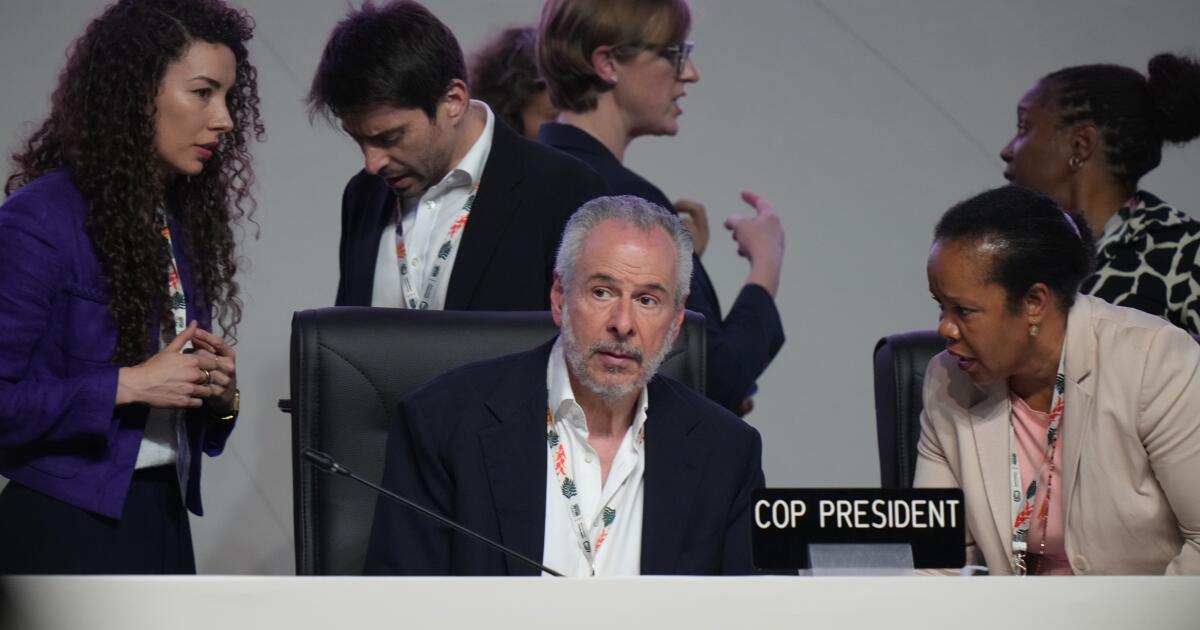
After long negotiations, the agreement was pushed through after midnight. COP30 President André Corrêa do Lago pointed out that discussions would continue, aiming to create a more robust plan later.
Reactions from Attendees
Responses to the deal were mixed among participants. Some praised it as a necessary step in tough circumstances. Ilana Seid, an ambassador for small island nations, expressed relief that a decision was reached. In contrast, Mary Robinson, a former Irish president and climate advocate, noted the deal fell short of scientific needs, yet highlighted the importance of countries working together.
Countries, like Sierra Leone, felt the deal made progress but acknowledged that quick action was needed to translate promises into real projects. U.K. Energy Minister Ed Miliband described the agreement as an important yet insufficient step forward.
Concerns Over Hasty Decisions
The approval process faced criticism for its speed. Many delegates raised concerns about being ignored during the final discussions. Colombia’s delegate spoke out against the lack of attention to emission cuts and temperature goals, emphasizing that the agreement didn’t align with scientific findings.
A significant sticking point was the establishment of 59 climate adaptation indicators, which many nations found ambiguous and unworkable. This frustration led to tensions during the meeting, prompting a temporary halt to address complaints.
Core Issues at Play
Major topics included creating a plan for reducing reliance on fossil fuels, financial support for developing nations, and improving emissions-cutting strategies. Experts, like Mohamed Adow from Power Shift Africa, felt that, while the talks yielded some progress, they failed to meet the urgent needs of the climate crisis effectively.
Critics, including former negotiators and environmental advocates, labeled the deal as inadequate. They highlighted the absence of direct language about fossil fuels, arguing that it signaled complacency among negotiators.
Despite tripling the financial aid goal for climate adaptation to $120 billion a year, this target was delayed by five years, raising concerns for vulnerable nations lacking immediate support. Debbie Hillier from Mercy Corps criticized the deal for its lack of clarity on responsibilities and timelines, stating that vulnerable communities were left without the help they urgently needed.
The meeting concluded with heightened emotions as representatives voiced their frustrations. Disputes over addressing climate change actions highlighted the divisions and urgent need for a united front to tackle the ongoing crisis.
For further reading on climate agreements and their outcomes, you can check out the United Nations Climate Change website.
Related Posts

Unlock a Longer Life: Discover the Neurologist-Recommended Exercise That Boosts Your Brain Size!
Discover 80 Unmissable Reasons to Experience the Food & Wine Classic in Aspen: From Inspiring Fireside Chats to an Exciting Caribbean Cookout!
Unveiling the New NFL ‘Rivalries’ Uniforms: Exciting Designs for AFC East and NFC West Teams!
Canada’s Environment Ministers Unveil Enhanced Air Quality Standards: What It Means for You
Boost for Indian Manufacturers: Government Imposes Anti-Dumping Duties on 5 Chinese Imports
Understanding the High Price of Colorado’s Climate Battle: What It Means for You
Unlocking Happiness and Peace: A Prophet’s Inspiring Birthday Message in TIME Magazine
Columbia University Removes Pro-Palestinian Protesters: What This Means for Campus Activism
Mavericks Sideline Rising Star Cooper Flagg After Stellar NBA Summer League Debut: What’s Next for the Young Sensation?
Phillies Hit Hard: Aaron Nola Lands on IL with Ankle Sprain – What It Means for the Team

:max_bytes(150000):strip_icc()/FWCA25_FWPro_Newsletter_4000x2667-773e73d4f4da41e4932856e1c03e0bab.png?w=480&resize=480,480&ssl=1 "Discover 80 Unmissable Reasons to Experience the Food & Wine Classic in Aspen: From Inspiring Fireside Chats to an Exciting Caribbean Cookout!")


Unlocking Nutritional Power: How Food Qualifies as a Nutrient Source According to the FDA – Tasting Table
Unlocking Earth’s Future: How Solar Radiation Reflection Could Regulate Global Temperatures
Discover the Breakthrough Drug That Replicates the Health Benefits of High Altitude Living
University of Oregon Workforce Cuts: Dozens Laid Off, More Job Losses Anticipated
Texas Woman Arrested for Alleged Illegal Abortions: Insights from the Attorney General
Exciting News: Kenneth Branagh Joins the Cast of The Devil Wears Prada 2 as Filming Kicks Off!
Africa’s Bold Move: Raising $50 Billion for Game-Changing Climate Solutions
Meet the New Director of Residence Life at Penn College: Enhancing Campus Community and Student Experience
Harlem Stands United: Women Rally in Support of the Sean ‘Diddy’ Combs Verdict
Triumphant Transgender Athlete Shines at California State Championships, Overcoming Trump’s Controversial Threat


