
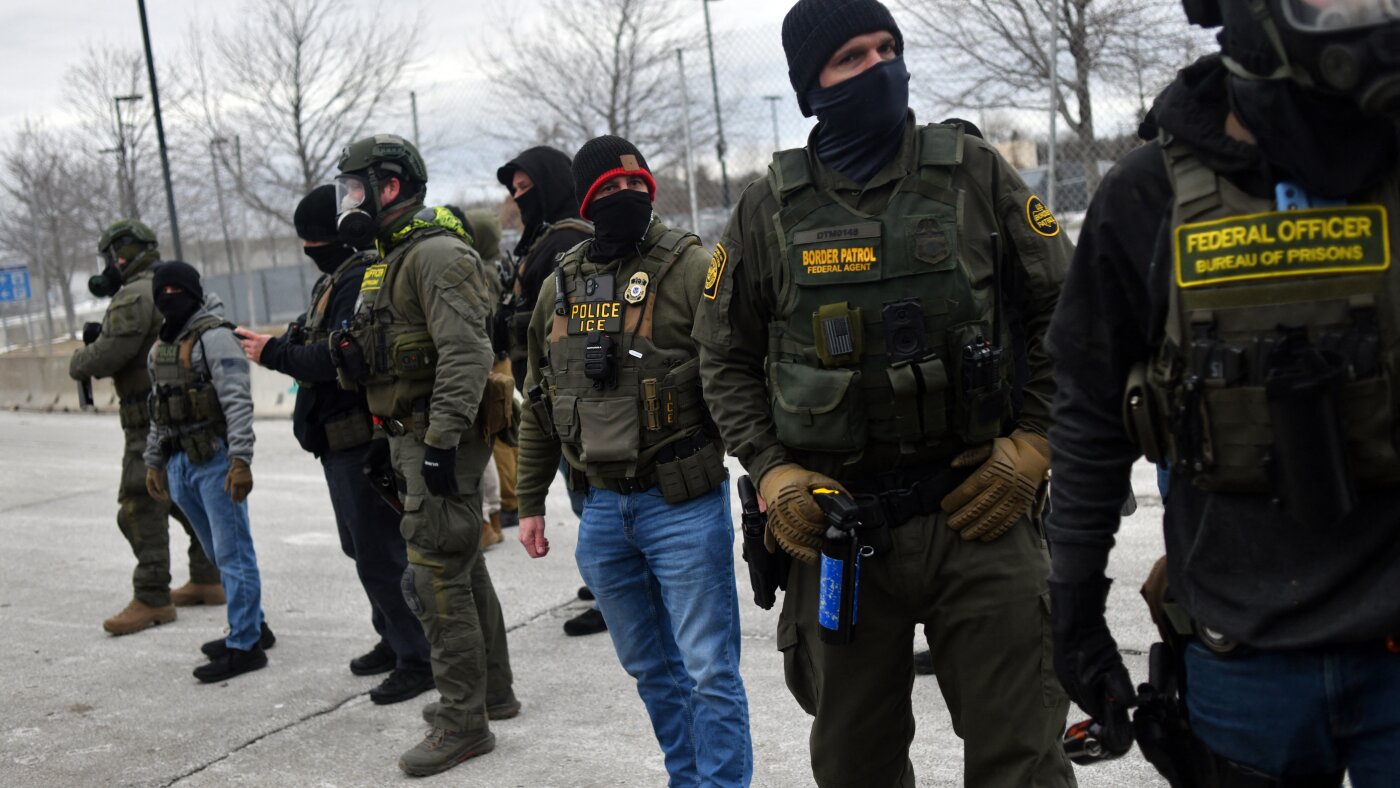
Up to 1,500 active-duty troops from the U.S. Army’s 11th Airborne Division in Alaska are on standby. They may be called to Minnesota amid protests related to immigration enforcement. These troops are trained for cold weather operations, which might be crucial if they’re deployed in this environment.
Recent protests have escalated tensions in Minneapolis, with federal agents, including those from Immigration and Customs Enforcement (ICE), involved in what is being called the largest operation in their history. Minnesota Governor Tim Walz has prepared the Minnesota National Guard to assist local law enforcement. Although they haven’t been deployed yet, the Guard emphasized that its members prioritize protecting people’s rights and safety.
Minneapolis Mayor Jacob Frey expressed concerns about the potential military presence. He pointed out that crime rates in the city are down, suggesting that more federal agents are unwarranted. “We don’t need more federal agents to keep people safe. We are safe,” he stated during an interview.
This situation follows President Trump’s recent comments about the Insurrection Act, a law meant to restore order during significant unrest. Legal experts are cautioning against its use for current protests. Joseph Nunn from the Brennan Center’s Liberty and National Security Program labeled it a “break-glass-in-case-of-emergency” measure. He warned that invoking the Act for this situation would be unprecedented and inappropriate.
Experts also note that public reactions vary widely. Social media has seen heated discussions about the role of federal agents and the state’s response to protests. Many individuals advocate for peaceful dialogue and solutions rather than military intervention.
As these events unfold, it’s clear that both local and national officials are evaluating how to handle the rising tensions, balancing safety with the protection of civil rights. For more insights on the evolving situation, you can check the Department of Homeland Security’s latest updates.
