
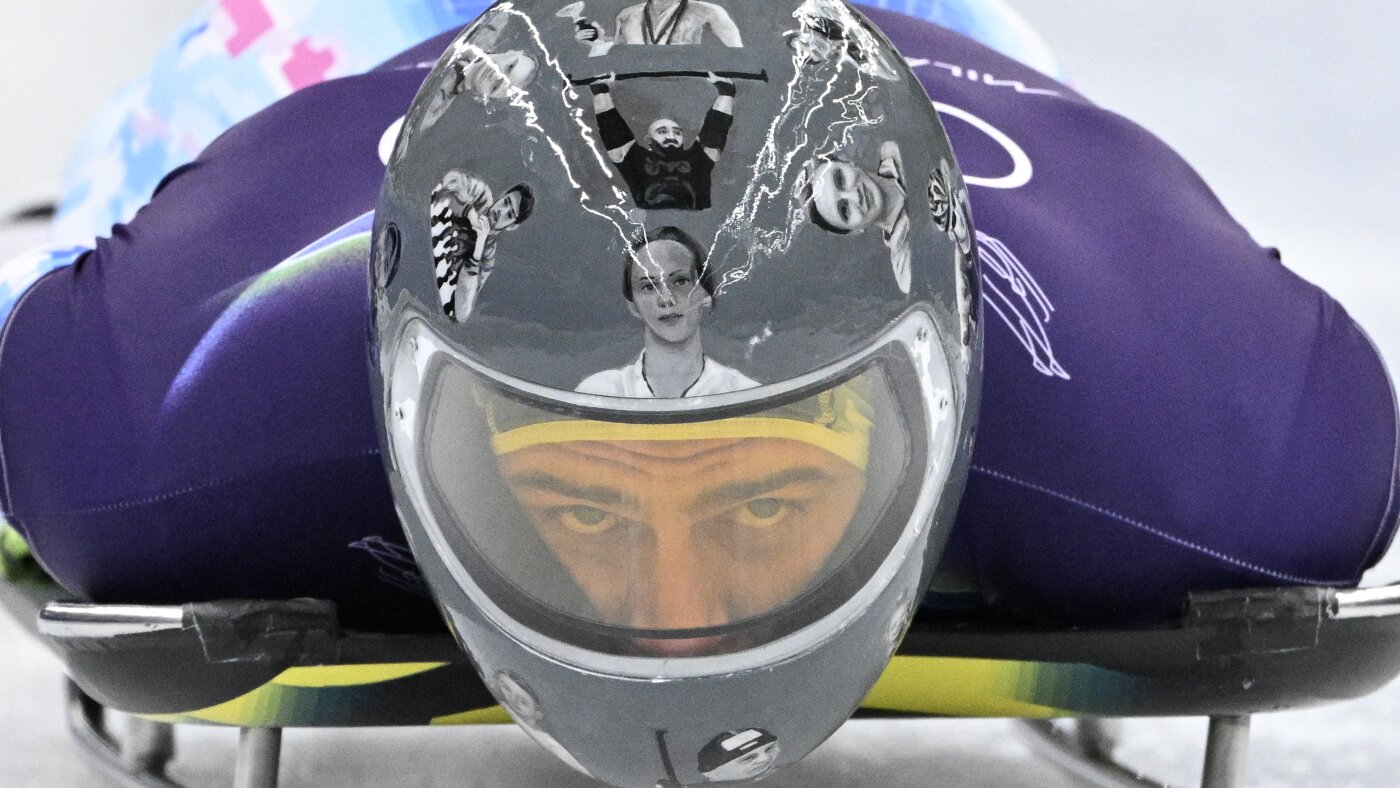
In a surprising move, the International Olympic Committee (IOC) disqualified Ukraine’s Vladyslav Heraskevych from competing in the skeleton events at the Milan Cortina 2026 Winter Olympics. This came after he wore a helmet featuring the faces of Ukrainian athletes who have lost their lives in the ongoing conflict with Russia since the invasion escalated in 2022.
Heraskevych took to social media to express his disappointment, labeling the IOC’s decision as unjust. He firmly believes that his helmet serves as a memorial, not a political statement. He stated, “This is the price of our dignity.” His cause has garnered support, including backing from Ukrainian President Volodymyr Zelenskyy, who highlighted the significance of remembering those affected by the war.
The IOC has a strict policy against political symbols in sports, which complicates Heraskevych’s situation. The decision to disqualify him follows his refusal to adhere to these guidelines. The Olympics have long been a platform where athletes express their beliefs, but this case raises questions about how far that expression can go.
Historical context adds depth to this issue. In the 1968 Olympics, Tommie Smith and John Carlos famously raised their fists during the medal ceremony to protest racial injustice. Their act resulted in significant backlash but is now widely accepted as a courageous stand against oppression. Comparing this to Heraskevych’s situation reveals that the conversation around political expression in sports is ongoing.
Currently, only 13 athletes from Russia are able to compete as independent participants at these games due to the ongoing conflict. The tension surrounding the Olympics highlights a time of division and resilience, especially felt by Ukrainian athletes. Many communities in Ukraine are enduring hardships, with Russian strikes leaving areas without electricity and heat.
Heraskevych’s story underscores the intersection of sports and politics. As he stands ready to compete in a high-speed sport where racers zip down icy tracks, he’s also making a powerful statement about the impact of war on his life and those around him. This scenario not only provides insight into the athlete’s struggle but also reflects the larger conflict that is shaping our world today.
Despite the disqualification, the story resonates beyond the arena. Social media responses reflect a mix of support and criticism, with some asserting that the IOC should reevaluate its stance on athletes’ rights to express grief and solidarity.
Heraskevych’s journey reminds us that even in the spirit of competition, the weight of reality often looms large. For more on these developments, you can read further on NPR.
