
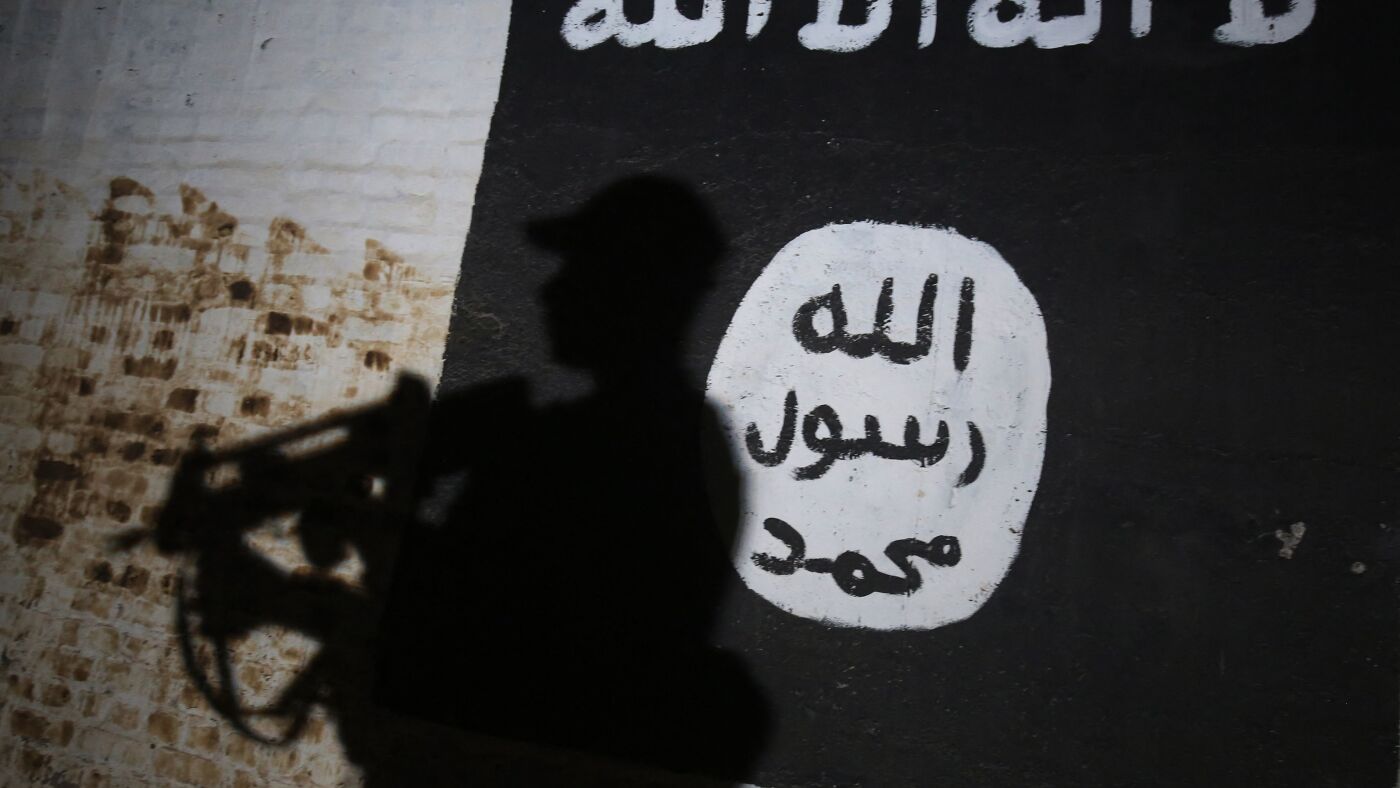
Just over ten years ago, ISIS held vast areas in Iraq and Syria. Their reign included horrific attacks and gruesome propaganda aimed at spreading fear across the globe. Even after the U.S. declared ISIS officially defeated, evidence suggests they are still active.
At its peak, ISIS was a formidable force, with over 40,000 foreign fighters joining the group. By 2019, however, their so-called caliphate crumbled due to extensive military campaigns aimed at dismantling their network. The fall of their leader, Abu Bakr al-Baghdadi, was a significant blow, which led then-President Trump to declare a complete victory over the group.
Yet recent events have raised alarms. For instance, a mass shooting in Sydney, linked to ISIS, shocked many. The gunmen had even traveled to the Philippines for military-style training. Further attacks in Syria and New Orleans also bear marks of ISIS influence, despite the organization not taking credit for them.
Experts like Aaron Zelin point out that ISIS didn’t entirely vanish. Instead, their leadership became more dispersed following their territorial losses. They maintain the will to continue fighting, which keeps them relevant. Last year, the Pentagon estimated around 2,500 ISIS fighters remain active across Syria and Iraq. Recently, U.S. Central Command has made strides in dismantling their infrastructure, locating numerous weapons caches.
The ideology of ISIS still holds appeal, primarily through their extensive social media propaganda. Daniel Byman, a terrorism expert, explains that they rely on a sympathetic audience to carry out attacks. Current global events, like the ongoing conflict in Gaza, fuel this narrative and provide fertile ground for recruitment.
Interestingly, militant groups linked to ISIS face challenges in regions like the Philippines. Experts suggest that the attacks in Sydney are surprising, given the Philippine government’s aggressive stance against ISIS remnants. They have been under constant pressure from military operations, making a fully operational terrorist camp unlikely.
Lately, while attacks inspired by ISIS might be decreasing, the threat lingers. Agencies like the FBI are working hard to thwart planned attacks, but incidents still occur. It’s a sobering reminder that even though the group’s territorial hold has diminished, their influence and appeal can persist in unpredictable ways.
For more detailed information on the current state and threats posed by ISIS, you can refer to reports from the Pentagon and the Congressional Research Service.
