
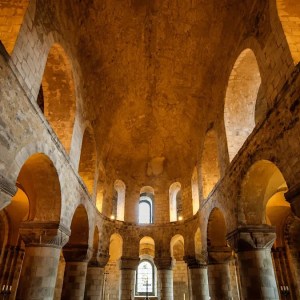
Unearthing the Past: Recent Findings at the Tower of London
A recent archaeological dig at the Tower of London has revealed more than 20 human skeletons, marking the first excavation at the site in decades. This discovery is not just a hunt for bones; it’s a journey into the rich tapestry of London’s medieval history.
What Was Found?
Among the skeletal remains are two from around 1500 and a group burial linked to the Black Death in 1348. Archaeologists expect more discoveries as they analyze the site, which includes a chapel that has stood for centuries. Alfred Hawkins, curator at Historic Royal Palaces, emphasized the significance of this dig in understanding the evolution of the chapel and surrounding buildings.
The excavation began in 2019 when workers were preparing to install an elevator at the chapel. What started as a routine task turned into a groundbreaking discovery. Digging up to 10 feet deep, archaeologists uncovered everything from coffins to earlier burials reflecting the graveyard’s long history.
Insights from Experts
Jane Sidell, a principal inspector at Historic England, stated, “This is just the tip of the iceberg,” highlighting the potential for further findings to reveal more about those who lived—and died—at the Tower.
Katie Faillace from Cardiff University’s School of History discussed innovative research methods, like isotope analysis, which can provide insights into diet and health from tiny samples of bone. This kind of analysis might help piece together stories of the individuals buried there.
The Historical Context
The Tower of London, built in the 1070s, has a storied past as a royal palace, a prison, and a mint. It has always included a chapel, with the current one dating back to 1520. Excavations revealed evidence of an earlier chapel, suggesting that important burials happened on the site long before the structures we see today.
Finding the remains of individuals buried within the church grounds helps historians assess their importance. Hawkins noted that those buried closer to the altar held higher status. Historically, the site has been the final resting place for three queens and two saints, but these latest findings aim to deepen our understanding of those less-known figures.
What’s Next?
The investigation into these remains has already brought fresh insights. One skeleton is identified as a middle-aged woman who lived around 1480 to 1550, possibly from Wales. She had a remarkable diet that included sugar, a luxury at the time. Another skeleton belonged to a younger man with a more stressful life likely lived near London.
The team also discovered a rare burial shroud, jewelry, stained glass fragments, and even incense pots. Such artifacts are not just remarkable finds; they provide a window into the lives led by Londoners in centuries past.
As Hawkins remarked, the excavation is a rare opportunity to gain rich insights into the community tied to the Tower, likely reshaping our understanding of this historic landmark.
In summary, these excavations go beyond just archaeology; they tell us stories of lives lived, connections formed, and the ever-evolving saga of London. With continued analysis, we can look forward to uncovering more about the extraordinary history beneath our feet.
Source link
Tower of London, Alfred Hawkins, Historic Royal Palaces, Black Death, Chapel Royal
