
Greater Cincinnati is on the path to tackling climate change with a new action plan. The Comprehensive Climate Action Plan was created with the help of local organizations like the Ohio-Kentucky-Indiana Regional Council of Governments, the City of Cincinnati, and Green Umbrella. They received $1 million from the Environmental Protection Agency in 2023 to formulate a strategy aimed at cutting greenhouse gas emissions.
Project manager Andy Meyer highlights that greenhouse gases not only contribute to climate change but also affect public health. Poor air quality can have serious health implications. “The air we breathe is a big determinant of all our health…and Cincinnati’s air quality has been very poor,” he pointed out.
The comprehensive plan outlines various actions to be taken over the next few decades, aiming for a 50% reduction in emissions by 2050 compared to 2022 levels. Meyer emphasizes there is no single solution. “That’s why the plan addresses multiple sectors extensively,” he added.
Emission Sources in Greater Cincinnati
In this region, buildings and equipment are the largest contributors to emissions, accounting for 68% of the total. This is primarily due to their reliance on electricity from fossil fuels. Another significant source is gasoline-powered vehicles. Meyer notes that with major highways running through the area, Cincinnati’s location further complicates the issue. Hamilton, Butler, and Boone counties produce about 70% of the region’s emissions due to their larger populations.
Strategies for Reducing Emissions
The action plan suggests many initiatives to help communities cut climate pollution. Key recommendations include:
- Expanding public transit options.
- Upgrading energy efficiency in buildings.
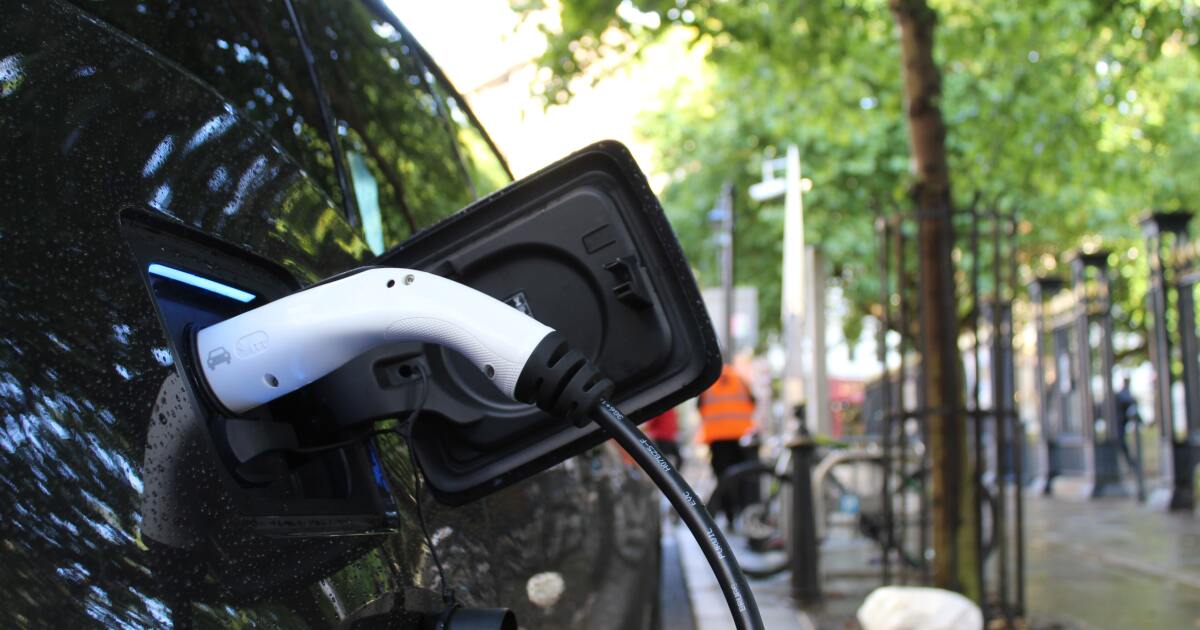
- Developing infrastructure for electric vehicles.
- Increasing the tree canopy in urban areas.
Meyer explains that improving public transportation is vital. This means replacing old, inefficient buses with electric or hybrid options and enhancing pedestrian infrastructure for safer biking and walking.
While the plan is voluntary, the organizations are working with communities to raise awareness and support implementation. Some cities, such as Cincinnati, Oxford, and Fairfield, are already exploring their own climate action strategies.
Looking Ahead
With the plan submitted to the U.S. EPA, the next step is focused on implementation and tracking progress. Meyer mentions that a status report will be sent to the EPA in 2027.
In conclusion, Greater Cincinnati’s roadmap for climate action shows promise. By engaging communities and local governments, the hope is to build a healthier, more sustainable future for everyone.
For more details, you can view the Comprehensive Climate Action Plan.
