
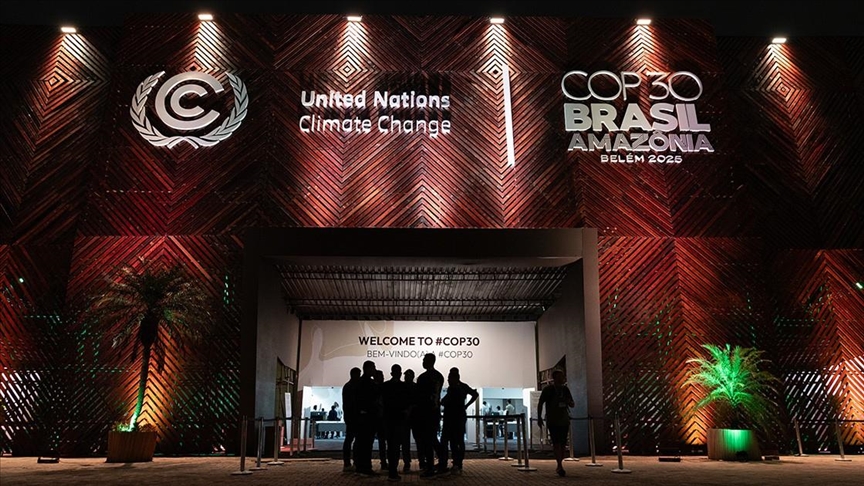
The COP30 climate summit in Brazil has extended its discussions beyond the planned deadline, with negotiators struggling to reach an agreement. With a focus on fossil fuels and climate finance, tensions ran high in Belem, close to the Amazon rainforest.
These talks have brought together environmental activists, diplomats, and negotiators to address critical issues like greenhouse gas emissions and limiting global warming to 1.5 °C. Yet, by the end of Friday, the meeting yielded no final deal. Much of the stall stems from disagreements over the draft wording and unresolved financial commitments.
Experts say this deadlock isn’t surprising. Katherine Browne, a research fellow at the Stockholm Environment Institute, notes that countries are still heavily reliant on fossil fuels, which complicates commitments to phase them out. “Governments struggle to make tough decisions when the economic reality leans into fossil fuels,” she explained.
Another expert, Peter Dynes from Mirrors for Earth’s Energy Rebalancing (MEER), pointed out the significant influence of lobbyists. “Fossil fuel lobbyists are major players at these gatherings, shaping outcomes to benefit their interests. The absence of any fossil fuel phaseout language shows this influence clearly,” he said.
The divide over fossil fuels remains glaring. The Brazilian presidency’s draft agreement lacks references to fossil fuel phaseout, thus failing to provide a clear path forward. Consensus is essential, but reports indicate that 30 countries supporting a phaseout may block any agreement lacking a firm commitment.
The European Union has already voiced its rejection of the draft. EU Climate Commissioner Wopke Hoekstra emphasized the need for real action to uphold the 1.5 °C target.
Neil Robinson, a lecturer at Queen’s University Belfast, believes that a plan to phase out fossil fuels is critical. “Fossil fuels are the leading cause of climate change. Failing to include their phaseout in the agreement would be quite disappointing,” he remarked.
Adding complexity is Brazil’s own political stance. President Lula has interests in oil through the Lula oil field, producing over a million barrels daily. His administration recently sided with the oil industry against environmental protection, raising concerns about the country’s commitment to climate negotiations.
Financing for climate initiatives remains a significant hurdle. Last year in Baku, COP29 increased the target for annual climate finance for developing nations from $100 billion to $300 billion. Despite this, the latest draft aims to triple available financing by 2030, but there are concerns about how much will effectively come from wealthy countries’ public and private sectors.
Dynes described the funding as a “slow, inadequate drip-feed” for vulnerable countries. While these nations should be receiving support, wealthy countries often fail to fulfill their promises. Browne agrees, stating, “Despite big promises, wealthy nations struggle to deliver the financial aid they pledged.”
As discussions drag on into the weekend, the outcome remains uncertain. There’s a pressing need to confront the political influences that impede real progress. Without tackling these issues, any advancements may remain just words, while the climate crisis worsens.
For more detailed insights into climate negotiations, you can check this UN climate change resource.
Source link
COP30,climate,fossil fuels,Anadolu Ajansı
