
The Paramount and Warner Merger: A New Era in Entertainment
Warner Bros. Discovery’s recent acceptance of Paramount Skydance’s takeover bid is more than just a merger of major players in Hollywood. Valued at nearly $111 billion, this deal aims to bring together multiple studios and beloved franchises, creating a powerhouse that could change the landscape of entertainment.
Merging Warner’s esteemed properties like D.C. Comics, Harry Potter, and Game of Thrones with Paramount’s popular titles such as Top Gun and Star Trek could significantly enhance their streaming services. The convergence of Paramount+ and HBO Max expands their reach and content variety in a fiercely competitive market dominated by Netflix, Amazon Prime, and Disney+.
Central to this merger is David Ellison, CEO of Paramount Skydance, who is utilizing his father’s financial influence—Larry Ellison, co-founder of Oracle. The Ellisons have quickly ascended within the media landscape, leveraging their connections and resources to challenge entrenched giants.
Jon Klein, a former top executive at CNN and CBS News, suggests that this merger marks a trend where technology companies become media giants. However, he warns of the pitfalls of large-scale mergers, noting the high costs and risks involved in the entertainment industry—especially as cable television suffers from declining viewership.
One powerful incentive for the Ellisons isn’t merely profit but the immense data on consumer habits they stand to gain. Klein highlights how insights into viewer behavior could enhance Oracle’s ambitions in artificial intelligence, linking media and technology in novel ways.
Concerns remain surrounding the merger’s approval, particularly from antitrust regulators both in the U.S. and Europe. Legal expert Eric Posner emphasizes that while regulations exist to prevent anti-competitive practices, the ultimate decision rests with the Justice Department and the courts.
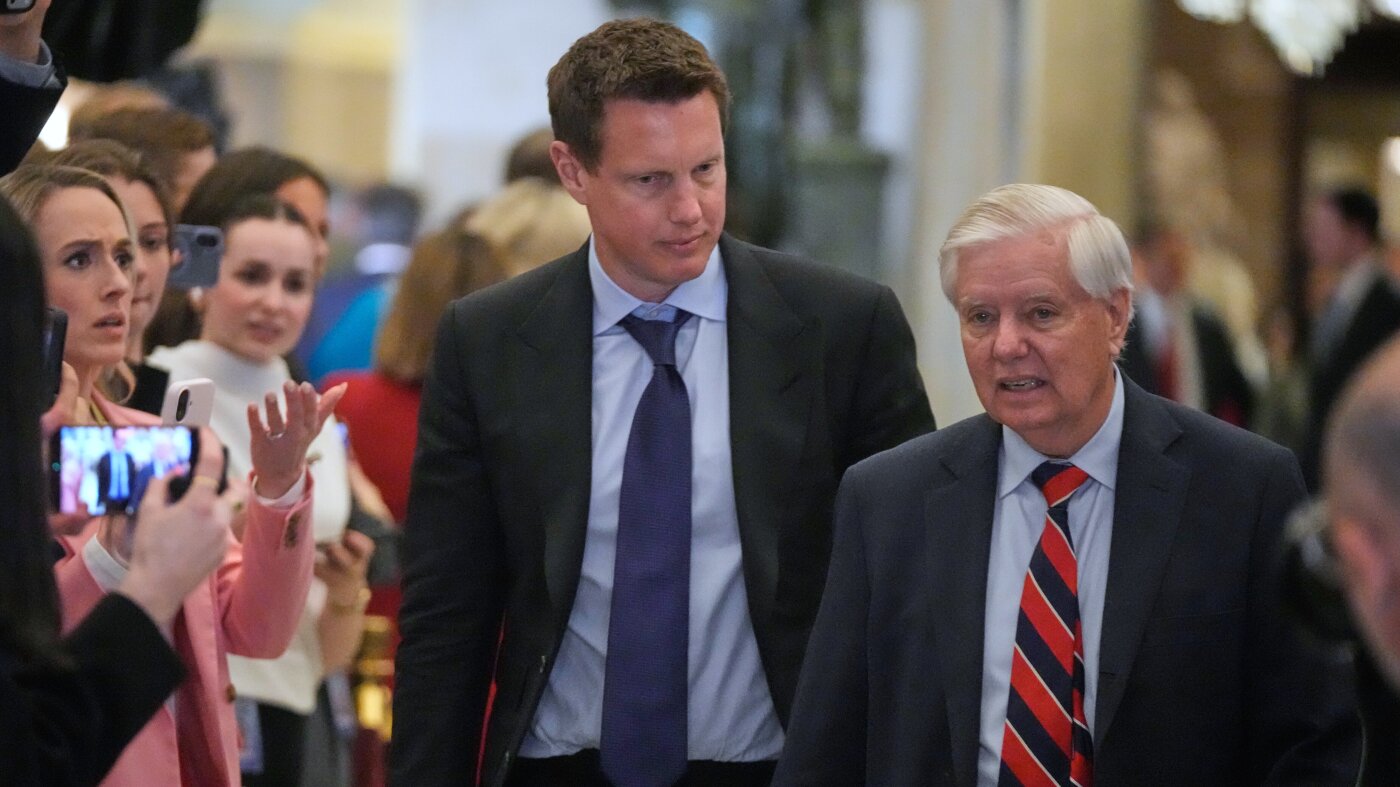
The president’s influence looms large over this deal. David Ellison recently attended a State of the Union address as a guest of Senator Lindsey Graham, reinforcing their ties to the Trump administration. This relationship raises questions about motives and future programming directions, particularly for CNN, which is noted for its critical stance towards the former president.
As discussions unfold, the implications for CNN and CBS are profound. CBS’s new editor in chief, Bari Weiss, aims to shift the network’s tone towards a more conservative approach, potentially impacting its journalistic integrity.
Critics, including Senator Elizabeth Warren, voice concerns over the concentration of media power in the hands of a few billionaires and stress the importance of regulatory scrutiny to maintain market competition.
This merger represents a pivotal moment in the media landscape. By fusing traditional entertainment with technological prowess, the Ellisons wield an opportunity to reshape how audiences consume content. Yet, as histories of mega-mergers hint, navigating the complexities of public perception and regulatory hurdles could prove challenging.
To understand the stakes, it’s vital to monitor public reactions and the evolving discourse around this transaction as it unfolds. This merger could not only reshape Paramount and Warner but also redefine the future of viewing itself.
