
Imagine how different life was before we could easily start a fire. Today, with a flick of a lighter or a simple click on an oven, we can cook, light our spaces, or keep warm. But long ago, early humans depended on nature for fire. Lightning strikes were their only source. They could gather burning materials but couldn’t create fire themselves.
At some point, though, that changed. Someone figured out how to start a fire, possibly by rubbing sticks together or striking specific rocks. This moment was a game changer. Recently, researchers made an exciting discovery in eastern Britain that gives us a glimpse into this critical skill. A new study in the journal Nature claims to have found the oldest evidence of humans creating fire—over 400,000 years old, marking a significant leap earlier than previously known data.
Nick Ashton, an archaeologist at The British Museum, says, “This is the earliest evidence of fire-making not just in Britain, but worldwide.” This discovery hints that early humans were using fire much sooner than we thought. Ashton mentions it’s the most thrilling find of his 40-year career.
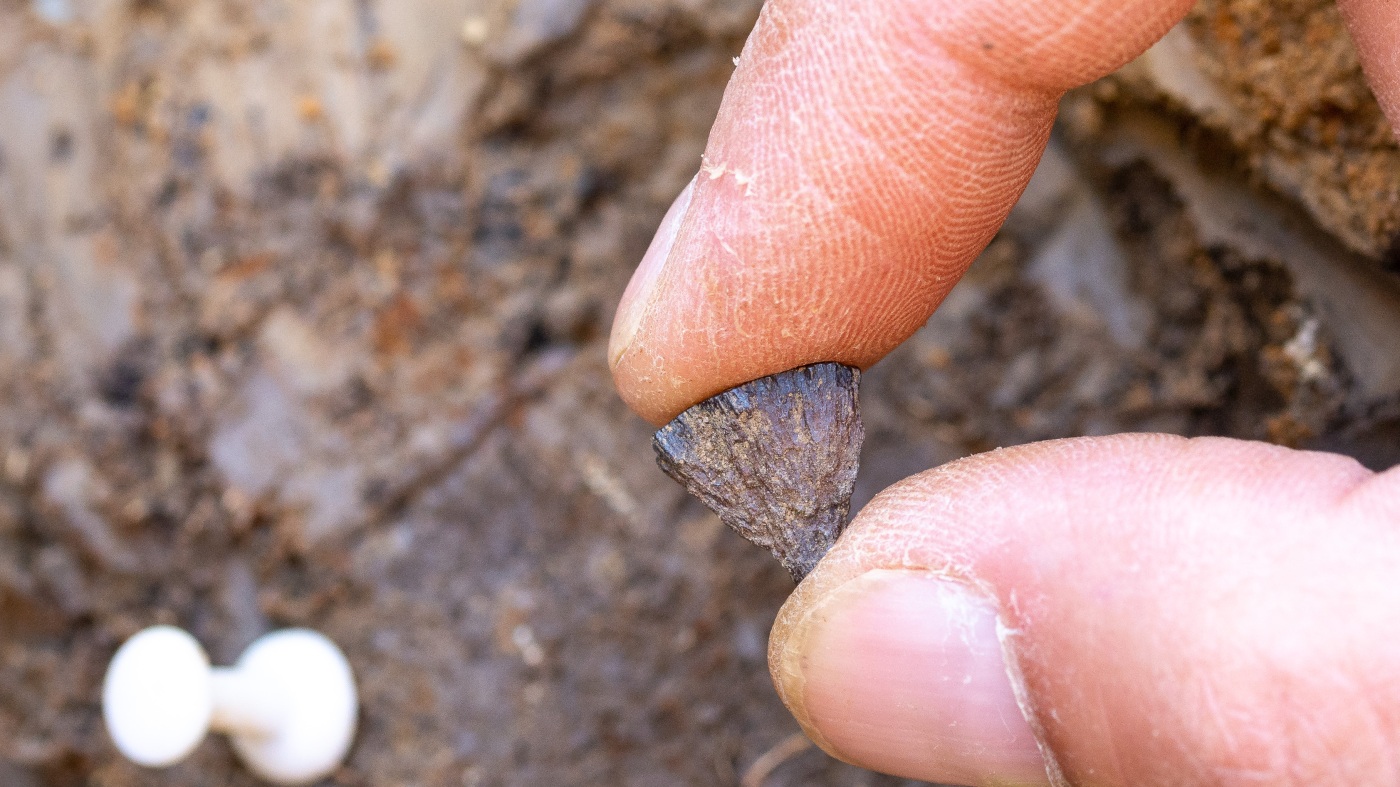
What sets this site apart is the presence of iron pyrite, found among flint tools. Pyrite is rare in this area, suggesting that these early humans brought it there specifically to make fire. Dennis Sandgathe, an archaeologist from Simon Fraser University, notes that this is unique. In numerous other excavated sites, no one has ever found pyrite associated with fire remnants before.
It’s well-accepted among archaeologists that mastering fire was vital for human survival. It allowed early humans to scare off predators, absorb more nutrients from food, and settle in tougher climates. Moreover, gathering around a fire likely played a key role in social development. Rob Davis from The British Museum explains that this social interaction after dark may have encouraged the evolution of language, storytelling, and belief systems, fostering relationships across larger communities.
However, we don’t know exactly who used this site. Neanderthal remains found nearby suggest this fire-making practice could belong to them. Chris Stringer, an anthropologist at the Natural History Museum in the UK, speculates, “We assume the fires at this site were created by early Neanderthals.”
The significance of learning to create fire cannot be understated. Early humans could cook food, offer warmth, and enjoy social gatherings. Yet, experts like Sandgathe warn against simplifying the history of fire’s discovery. It wasn’t a straightforward spread of knowledge. Various groups likely discovered this skill at different times and in different places. Sometimes, this knowledge was lost, only to be stumbled upon again centuries later. “It’s a complex story with many fits and starts,” he adds.
The study reminds us of the resourcefulness and adaptability of early humans. Each spark they created marked a step toward a brighter, safer future. For more about early human history and archaeological findings, you can visit the [Natural History Museum](https://www.nhm.ac.uk) or read the study on [Nature’s website](https://www.nature.com/articles/s41586-025-09855-6).
