
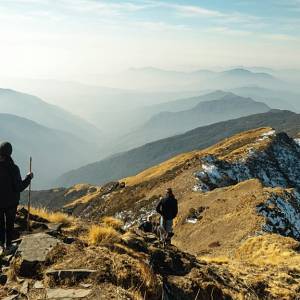
Hiking trails are gaining popularity, drawing many travelers eager to connect with nature and escape the heat. Recent years have seen the opening of exciting new routes, like the world’s longest circular trail in Portugal and Italy’s Path of Love.
However, this boom has a downside. Extreme weather linked to climate change is making some trails dangerous, while the influx of visitors harms local ecosystems. As a result, many paths are restricting access, raising fees, or closing altogether.
Danger on the Trails
Last summer, in the Alps, rockfalls led to the temporary closure of numerous trails. In July, hundreds of hikers were evacuated from Cima Falkner in the Brenta Dolomites, Italy. Experts believe the increase in landslides is due to thawing permafrost. Piero Carlesi, from the Italian Alpine Club, stated that this rise is directly tied to climate issues.
Switzerland faced similar challenges, with over 70 hiking routes closed last year due to safety concerns. Vera In-Albon, from the Swiss hiking organization, highlighted how drier summers and intense rain can trigger rockfalls and landslides.
Balancing Nature and Tourism
On the Indonesian island of Lombok, authorities closed all hiking trails in Mount Rinjani National Park until March 2026. Budhy Kurniawan, the park’s head, remarked that the closure aims to protect visitors and allow the ecosystem to recover. Increased hiking traffic is putting stress on natural habitats worldwide.
In Japan, the push to manage tourist numbers has led to hiking fees on Mount Fuji. This mountain has faced serious pollution challenges, prompting officials to charge ¥4,000 (about €24.70) to those using its paths.
Looking to the Future
As this trend continues, European destinations have begun imposing fees to ease the environmental strain. Madeira recently introduced a cost for non-residents on popular trails, with funds going to conservation.
In Italy, local communities are grappling with overtourism. For instance, a popular trail on Seceda mountain has sparked frustration among residents due to the constant influx of tourists. Local farmers even set up a temporary toll booth to protest and raise awareness about the damage done to their lands.
Moving Forward Responsibly
The hiking industry faces a challenge: how to balance enjoyment and sustainability. As hiking becomes a favorite among travelers, it’s crucial to respect nature and support efforts to keep these stunning landscapes healthy and safe for everyone. Sustainable tourism is the way forward, and by paying attention to these issues, we can enjoy the beauty of our trails without compromising their future.
Source link
hiking trails, summer temperatures, Italian Alpine Club, sudden increase, Brenta Dolomites, natural environments, hikers, Piero Carlesi
