
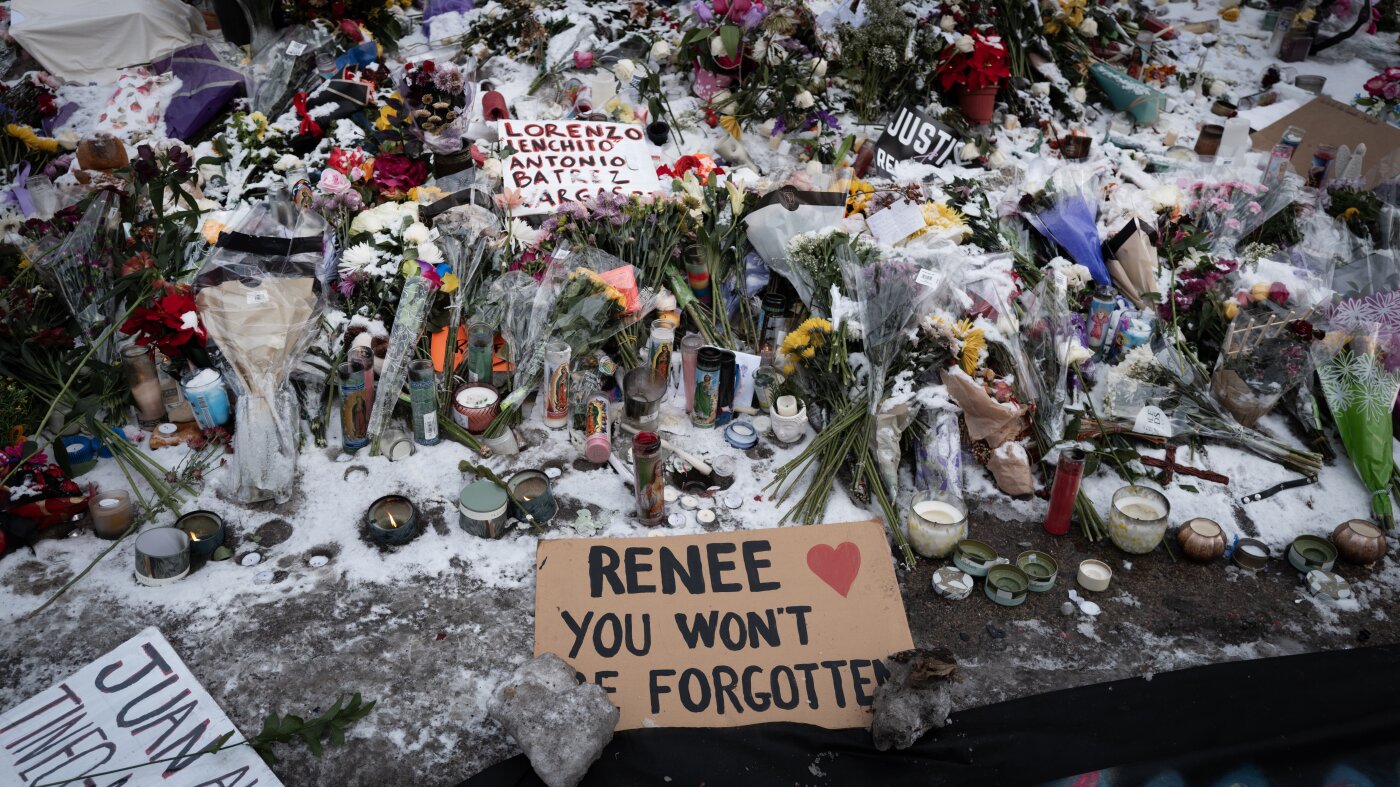
In Minnesota, tensions are high after the shooting of Renee Macklin Good by an ICE agent. This case has sparked protests and raised questions about the investigation’s fairness. Recently, the FBI announced it would lead the investigation alone, worrying state officials. They wanted a collaborative approach to ensure transparency.
Expert Viewpoints
Legal experts believe that moving away from a joint investigation can hurt trust in the process. Amy Sweasy, a former prosecutor, noted that this is unusual in Minnesota. Typically, federal, state, and local authorities work together smoothly.
Thaddeus Johnson from the Council on Criminal Justice emphasizes the importance of unity. Joint investigations build public confidence and trust, which is crucial for sensitive cases like this one. When cooperation falters, skepticism grows among the community.
Minnesota Governor Tim Walz has also voiced his concerns, stating that getting a fair outcome may be difficult, especially with comments from President Trump labeling Good a “radical.” This further complicates public perception of the investigation’s integrity.
The Role of Joint Investigations
Combining resources allows for more efficient investigations. Deborah Ramirez, a law professor and former federal prosecutor, explained that working together means sharing information and interviewing witnesses as a cohesive unit. This often leads to a more thorough investigation.
In the past, Minnesota authorities successfully worked together on serious cases, such as the murder of George Floyd. It’s critical to maintain this collaborative approach to build community trust.
Continuing Challenges
Despite efforts, state officials have not been granted access to essential evidence like shell casings or witness interviews. Hennepin County Attorney Mary Moriarty expressed disappointment over this lack of transparency and warned that without crucial evidence, achieving justice becomes difficult.
Experts point out that prosecuting law enforcement officers can be challenging, even with solid evidence. Sweasy noted that juries often struggle with these cases, even when they appear clear-cut.
The current situation in Minnesota is alarming. If this pattern of sidelining state authorities continues, it could lead to unaccountable actions by federal agents. Ramirez cautions that we are at a critical juncture, where accountability is vital if incidents like this occur again.
Conclusion
The investigation into Renee Macklin Good’s death raises significant issues about state vs. federal jurisdiction and the importance of public trust in law enforcement. As tensions rise, the need for transparency and collaboration becomes more apparent. Minnesota’s approach could set a precedent for how similar cases are handled across the country.
For more insights on this critical issue, you can check the Council on Criminal Justice.
