
Minneapolis has become a hotbed of political unrest following the tragic shooting of Renee Macklin Good by an ICE officer. This incident two weeks ago has sparked legal battles and protests, revealing deep political tensions in the city.
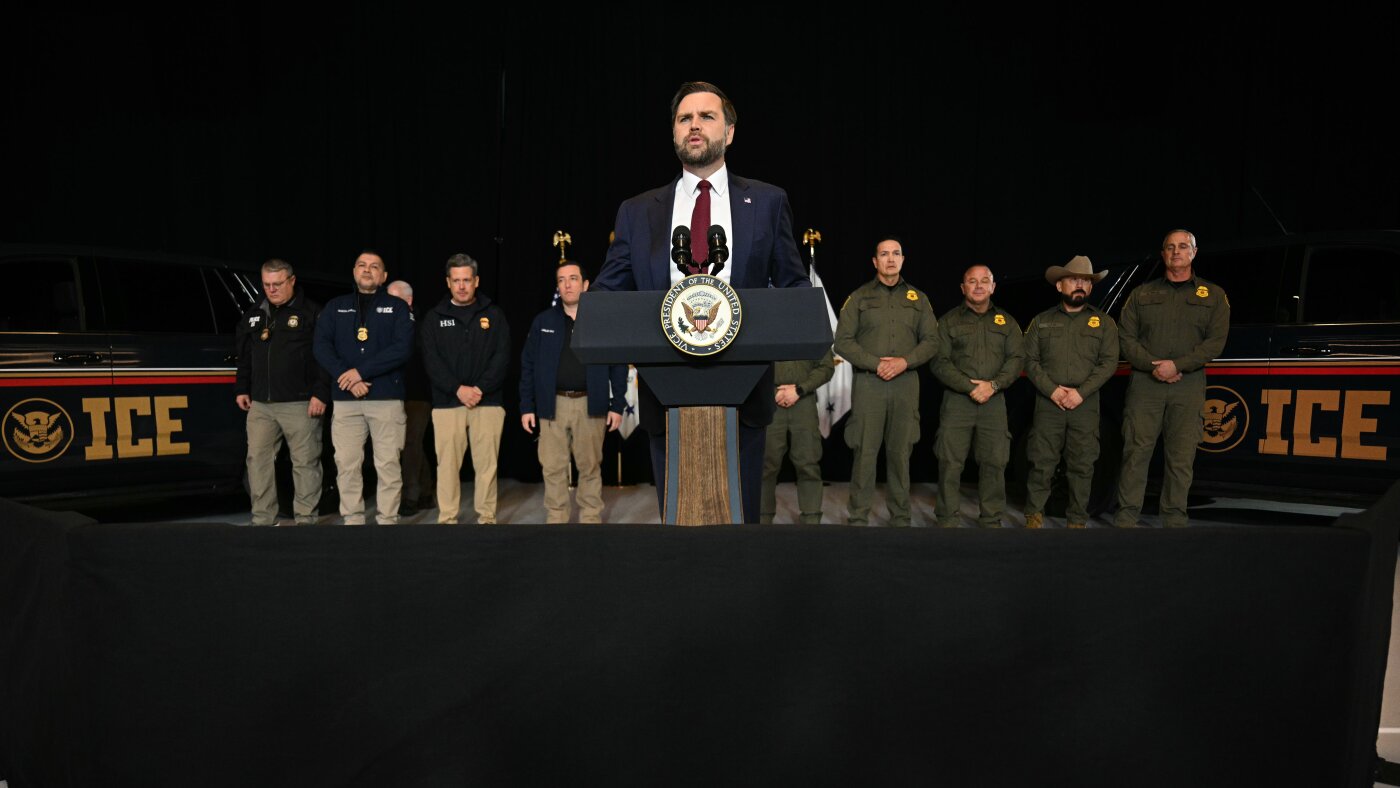
Before Good’s death, Minneapolis was already a battleground for conflicts between the Trump administration and state Democrats led by Governor Tim Walz. Vice President JD Vance visited the city to address rising tensions, suggesting that the issues there are unique compared to other liberal cities. He pointed to a lack of cooperation between local and federal law enforcement as a key problem.
Amid the turmoil, President Trump has threatened to invoke the Insurrection Act, and the Pentagon has prepared troops for possible deployment. Vance stated this was not necessary at the moment, yet emphasized that the situation could change.
Local leaders, including Mayor Jacob Frey, have likened the federal actions in the city to an invasion. This conflict arises as Minnesota faces increased scrutiny due to recent violent incidents, such as a mass shooting at a Catholic school and the assassination of a state lawmaker earlier this year.
Just before the shooting, Minnesota Democrats were embroiled in another controversy related to federal fraud allegations. The Trump administration paused federal funding for daycares, claiming that some organizations run by Somali Americans were misusing funds. This issue is particularly sensitive given that Minnesota is home to a large Somali community that has faced significant backlash from Trump and his supporters.
The local Democratic-Farmer-Labor Party views the federal actions as attempts to expand ICE’s power. Richard Carlbom, the party chair, believes state residents are resisting these measures. There’s a sense of fear among community members, regardless of their immigration status, as federal presence intensifies.
Additionally, the Department of Justice is reportedly investigating Minnesota lawmakers for allegedly obstructing federal operations, which they deny, calling it political intimidation. Since Trump took office, over 10,000 arrests have been made in Minnesota as part of federal immigration enforcement.
As Minnesota navigates these complex issues, the political landscape is shifting. Walz, who recently announced he won’t seek reelection, is focusing on addressing fraud allegations, while Republicans see an opportunity to gain ground in a state that hasn’t voted red in decades.
Emerging trends show that many residents are discussing these issues on social media, expressing a mix of outrage and concern about their safety and the implications of these federal actions. The future of Minnesota’s political climate is uncertain as state officials respond to federal pressures and community sentiments evolve.
For more on the implications of these tensions and the impact of recent events, you can visit the Minnesota Department of Human Services or follow local news coverage on the situation.
