
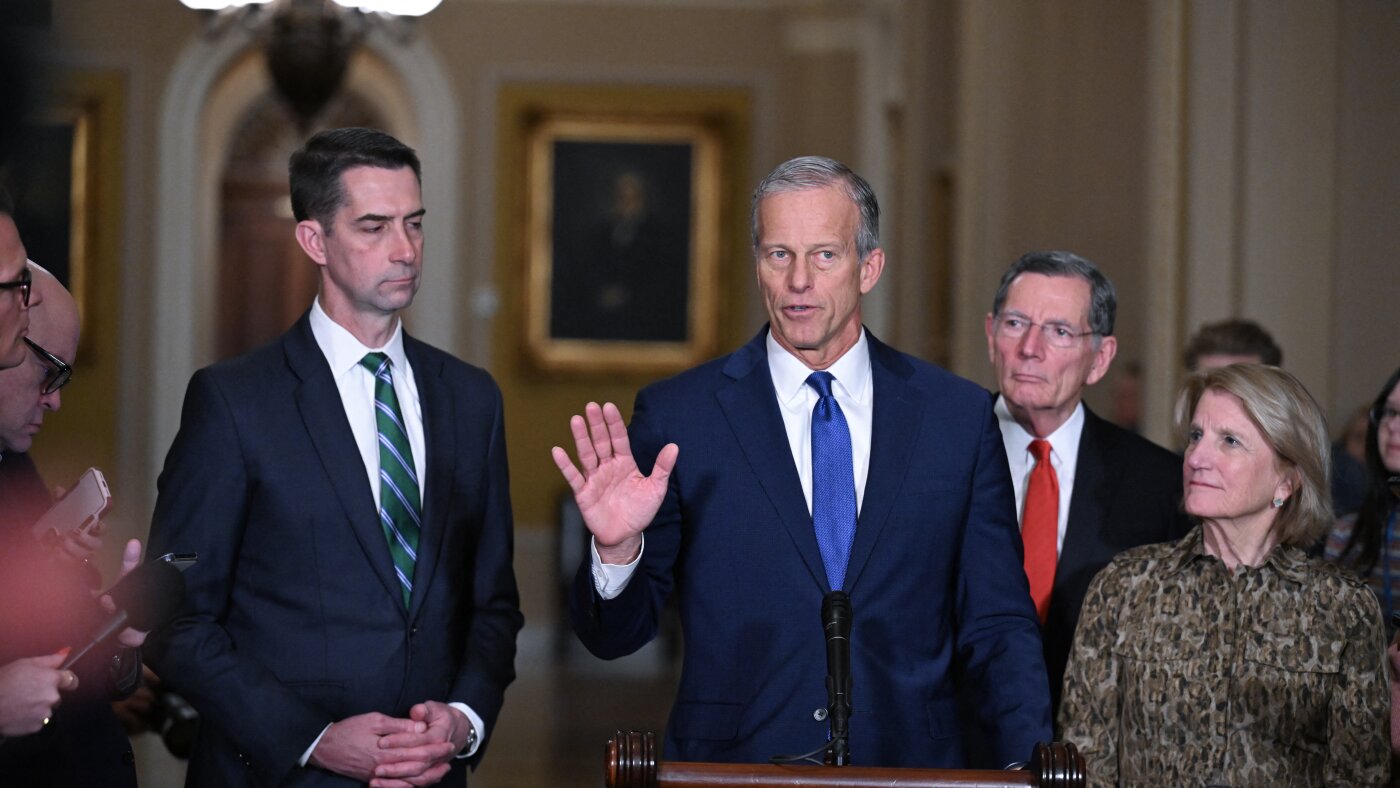
After weeks of stalled negotiations, a new proposal is taking shape in Congress. This plan aims to address essential funding for the Department of Homeland Security (DHS), especially as travelers contend with long lines and flight delays due to TSA staff shortages.
Despite optimism among Senate Republicans, key figures like President Trump and Senate Democrats remain skeptical of the emerging framework. Funding for DHS lapsed a month ago amid frustrations over immigration enforcement. The latest proposal includes most of the department’s budget but excludes the Immigration and Customs Enforcement (ICE) enforcement division.
Many Democrats are hesitant to approve any additional funding for ICE without substantial reforms. Their concerns grew after recent events, including the tragic deaths of two U.S. citizens due to ICE actions. Trump’s insistence on linking DHS funding to a major overhaul of federal elections has complicated matters further. He stated he wouldn’t support other bills until the “SAVE America Act,” which demands stricter voter identification laws, is passed.
The shutdown of DHS has persisted for over 40 days, impacting federal employees responsible for airport security, cybersecurity, and disaster response. TSA’s acting administrator, Ha Nguyen McNeil, revealed that TSA absences have skyrocketed, with some airports experiencing the “highest wait times in history.” Over 480 TSA officers have left their jobs during this period.
Senate Republicans acknowledge that compromises are being made, including proposed changes to ICE operations, such as introducing body cameras and reducing the capacity of detention centers. However, Democrats argue that key demands, like requiring judicial warrants for ICE to enter homes, were overlooked in the latest offer. Senate Minority Leader Chuck Schumer expressed disappointment, stating, “We thought there had been some progress, but then Republicans sent us their offer yesterday, and it contained nothing that had been talked about.”
Conservative Republicans also express caution about moving forward without incorporating Trump’s election overhaul plan. They propose a separate funding approach for ICE, attempting to pass parts of the SAVE America Act without Democratic support using a process called reconciliation.
Historically, reconciliation has allowed Congress to push through budget-related laws with a simple majority. While this strategy worked in previous sessions, the path ahead remains uncertain. For instance, the SAVE America Act has already faced significant resistance and may struggle to pass even within the GOP.
Democrats highlight that implementing stringent voter ID requirements could disenfranchise eligible voters, especially since approximately half of Americans do not have a passport. The latest attempts to combine ICE funding with the electoral changes will be a complex endeavor, needing careful navigation of Senate rules.
Amid all this, user reactions are palpable across social media. Comments reflect frustration at the prolonged negotiations, with many advocating for a focus on immediate solutions rather than political posturing.
As the debate continues, the ramifications of this stalemate may ripple beyond Congress, impacting not just funding for border security but also the very fabric of electoral integrity and civil rights in America.
For further details, check out the National Public Radio’s report on the ongoing issues surrounding the Department of Homeland Security funding.
