
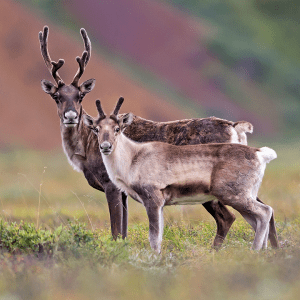
A large set of antlers is often viewed as a trophy for male deer and elk. These impressive structures play a role in mating battles where bigger is better. Interestingly, female deer usually don’t grow antlers—except for caribou, where the females sport smaller racks. This brings us to a recent study that sheds light on why female caribou have antlers.
Researchers looked at the antlers and bones of caribou, moose, and muskox collected from Alaska’s Arctic National Wildlife Refuge. This area is critical for the “Porcupine Herd,” known for its lengthy migrations. Female caribou travel up to 1,200 miles northward to give birth. Remarkably, they shed their antlers just a day or two after calving.
In examining 1,567 shed antlers, the study found that about 86% showed signs of gnawing. Most of that damage was from caribou, not the small rodents that many might assume. In contrast, only 44% of bones had gnaw marks, primarily from carnivores like foxes and wolves. This distinction matters because the kinds of tooth marks left by rodents and carnivores are different.
Joshua Miller from the University of Cincinnati, one of the study’s authors, expressed his surprise at the findings. He noted that they had assumed rodents were the main chewers of antlers. However, evidence pointed to female caribou enjoying the shed antlers as a mineral source.
Given the location of these antlers during calving season, the researchers concluded that females routinely consume shed antlers. This behavior likely helps them replenish key minerals like calcium and phosphorus, especially after long migrations. After traveling such great distances, these nutrients become crucial for nursing their young and preparing for winter.
Madison Gaetano, the lead author, elaborated on this by explaining how caribou influence their habitat. By shedding their antlers, female caribou effectively enrich the land with essential minerals. This yearly cycle brings thousands of pounds of phosphorus back to their calving grounds.
In looking at these insights, it’s clear that caribou display behaviors that not only support their own health but also contribute to the health of their surrounding environment. As we learn more about animal behavior, we can appreciate the interconnectedness of their actions and the ecosystems they inhabit.
For more on this fascinating topic, check out the original analysis from Nautilus.
Source link
caribou antlers, shed antlers, skeletal bones, Arctic National Wildlife Refuge
