
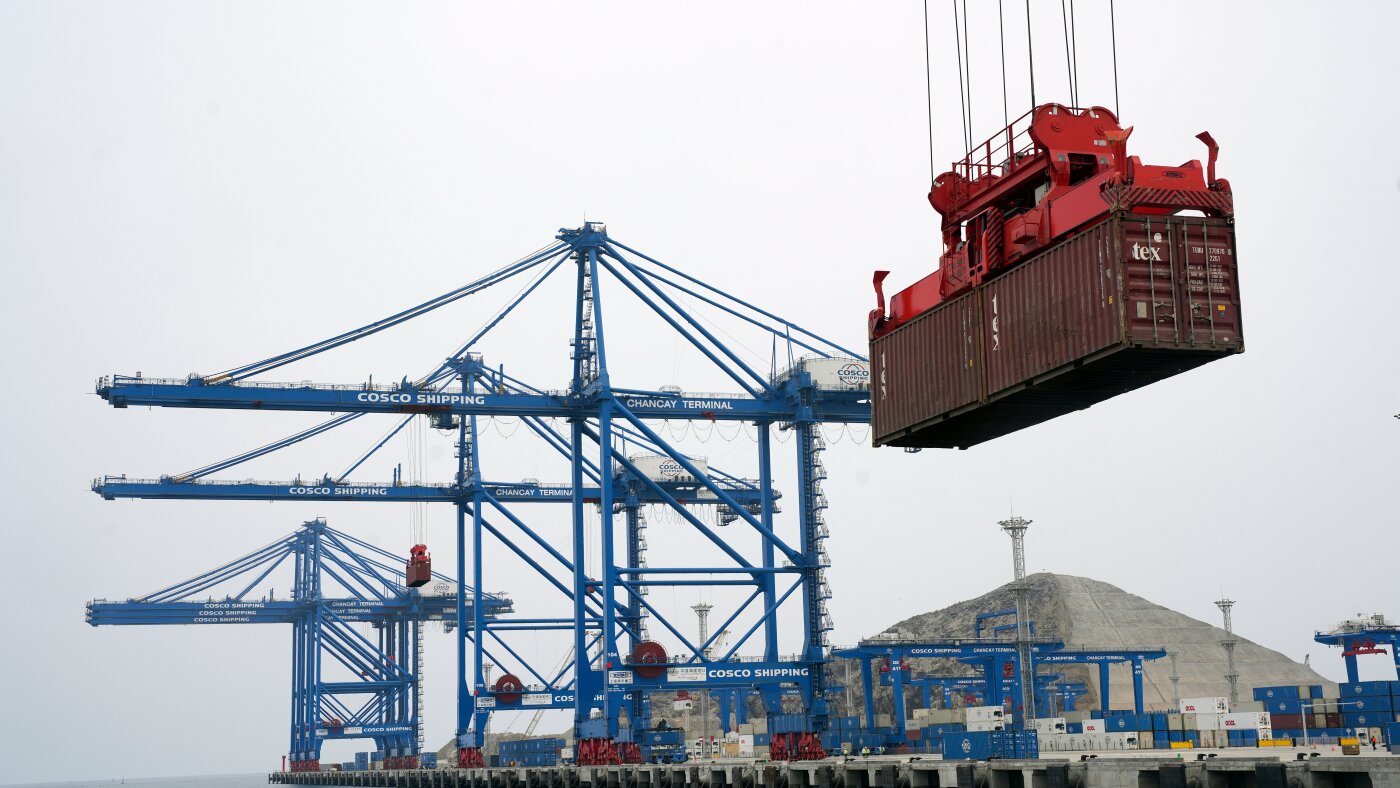
LIMA, Peru — The Trump administration recently raised alarms about China’s growing influence in Peru, particularly regarding the Chancay port project. This port, which is Chinese-built and worth $1.3 billion, stands as a key asset for Chinese interests in Latin America. The U.S. worries that a recent court ruling limits Peru’s ability to oversee the port, which could threaten its sovereignty over critical infrastructure.
In a statement, the U.S. State Department emphasized Peru’s right to manage its infrastructure, warning that reliance on Chinese investment could lead to challenges in national sovereignty. This situation highlights how China’s investments—often described as predatory—can create dependencies that might compromise local control.
Chancay port has the capacity to handle some of the world’s largest cargo ships, reinforcing China’s position as Peru’s top trading partner for over ten years. The port is part of China’s Belt and Road Initiative, which promotes major infrastructure projects through significant loans and financial support. According to recent data, infrastructure investments like these can increase trade volume, but they also raise concerns about long-term economic dependence.
The Chinese government firmly rebuffed U.S. claims, asserting that the port is still under Peru’s jurisdiction. Cosco Shipping, a key player in the port’s operations, stated there are plenty of local authorities monitoring activities at Chancay, such as police and environmental regulators. Despite these assurances, the ruling from a local court limits the Peruvian regulator, Ositran, from exercising oversight—a move the agency plans to challenge.
Verónica Zambrano, president of Ositran, voiced deep concerns, noting that this was a unique situation where one company would be exempt from public oversight. That’s alarming for both consumer protection and transparency.
In the context of ongoing global debates about foreign investment and local governance, this incident in Peru underlines an essential question: how can nations protect their sovereignty while engaging with powerful economies like China? Social media reactions have been mixed, with some expressing support for Peru’s need for infrastructure despite the risks of foreign control, while others criticize the government’s lack of local regulatory power.
This situation is not isolated; many countries in Latin America are grappling with similar issues, caught between the need for development and the risk of dependency on foreign powers. The outcome of the Chancay port debate could have lasting implications for how sovereign nations navigate foreign investments in the future.
Source link
