
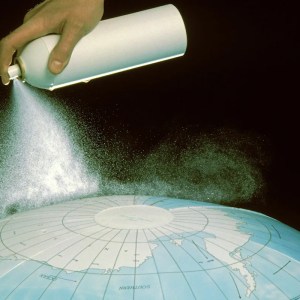
The idea of changing our atmosphere to fight climate change is both fascinating and risky. Techniques like cloud seeding to reflect sunlight have sparked heated debates. While some believe these geoengineering methods could save us, others worry about potential unexpected consequences. As a result, scientists are approaching these ideas carefully.
Interestingly, we are already witnessing a form of atmospheric change due to the space industry. A recent study in Earth’s Future reveals that pollution from satellites burning up in our atmosphere is blocking sunlight. If the launch of satellites continues to grow, this could significantly impact our climate.
Eloise Marais, a professor of atmospheric chemistry at University College London, highlighted the concerns in a recent statement. She noted that space industry pollution resembles a kind of unregulated geoengineering experiment that could lead to severe environmental issues.
In the past decade, space launches have surged, tripling in the last five years. Companies like Elon Musk’s SpaceX are at the forefront, launching thousands of satellites for services like Starlink. There’s a race among competitors, including Jeff Bezos’ Blue Origin, to deploy massive networks of satellites called megaconstellations.
These satellites are designed to deorbit after a few years, burning up in the atmosphere as they fall. However, scientists have begun to scrutinize this practice more closely. Initial studies suggest that burning satellites release metals such as lead and aluminum, raising alarms about potential harm to the ozone layer.
Researchers modeled how emissions from satellites between 2020 and 2022 affected the climate. They found that these satellites represented 25% of the space industry’s total climate impact in 2020. This figure is projected to rise to 42% by 2029, indicating that pollution from deorbiting satellites could have effects similar to those from solar geoengineering efforts.
Rocket launches also contribute to this issue, releasing soot particles that linger high in the atmosphere for years. By 2029, the estimated soot output from rocket launches will be about 870 metric tons annually, comparable to soot emissions from all passenger cars in the UK combined.
Marais cautioned that while the current impact of satellite pollution is small, it’s crucial to act now. There has been little regulation around this type of pollution, and if ignored, it could be more challenging to address later.
The unusual cooling effect caused by reduced sunlight might seem beneficial amid rising global temperatures. However, scientists warn we must tread carefully. Balancing this new frontier in space with environmental safety is essential for a sustainable future.
For more on climate issues, you can check sources like NASA’s climate research and explore the ongoing discussions about the impacts of human activity on our planet.
Source link
Earth’s atmosphere, geoengineering, space industry, Space launches
