
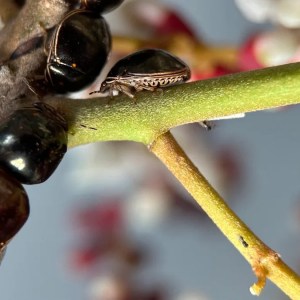
Scientists have made a fascinating discovery: azuki bean beetles, pests that attack crops, lay larger eggs under climate stress. This finding sheds light on how these insects adapt to changing environments.
### What’s the Discovery?
Researchers from Kyushu University found that increased temperatures and carbon dioxide levels affect the reproduction of azuki bean beetles. When exposed to these conditions, beetles infected with Wolbachia bacteria produced bigger eggs that hatched into male larvae. This behavior is the first of its kind observed in this species, showing how environmental factors can influence egg size and sex.
Professor Midori Tuda, the study’s lead author, explained, “When insects face stress, they often increase egg size. Larger eggs usually lead to healthier, faster-developing offspring, which is a smart survival strategy.”
### Why Do These Beetle Eggs Matter?
Azuki bean beetles are notorious for damaging stored legume seeds. Their larvae bore into these seeds, which can hurt germination rates. As climate conditions worsen, the risk they pose to crops increases. Understanding their biology is crucial for saving these vital food supplies. With rising temperatures and changes in rainfall patterns, knowing how pests will react can help farmers better protect their crops.
### What Can Be Done to Protect Crops?
The combination of fast-developing beetles and environmental stress could lead to significant crop losses. Tuda suggests that targeting Wolbachia bacteria might be one avenue for pest control. However, caution is necessary. Since about half of all insect species carry Wolbachia, using broad-spectrum pesticides could harm beneficial insects.
Experts recommend adopting nature-positive strategies to address the issue. More research is needed, but this discovery is a step in the right direction to managing these pests without harmful chemicals.
### Related Insights
The global agricultural landscape is experiencing challenges due to climate change. A recent report by the Food and Agriculture Organization (FAO) highlighted the increasing risks posed by pests and diseases due to rising temperatures. Farmers are now more than ever looking for sustainable practices to handle these threats.
Understanding how pests like the azuki bean beetle adapt can be critical in the long run. By investing in research and adopting environmentally friendly practices, we can work towards a healthier food system.
In short, while the discovery about azuki bean beetles is alarming, it opens the door for new strategies in pest management that prioritize sustainability.
Source link
climate change, legume seeds, agricultural pest, Kyushu University, global temperatures, azuki bean, carbon dioxide, Midori Tuda
