
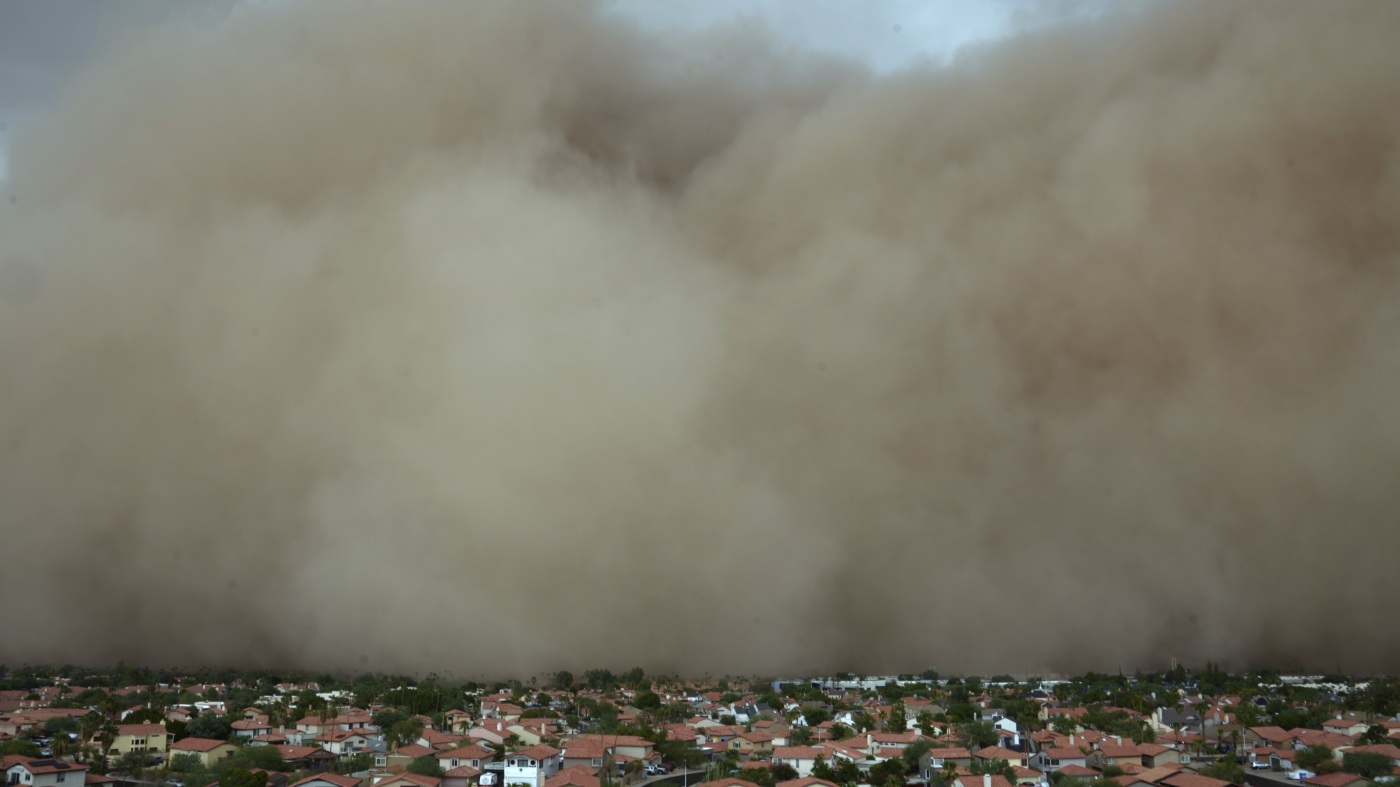
A massive dust storm, or haboob, swept through central Arizona recently, creating striking scenes that caught national attention. Mark O’Malley, a meteorologist from the National Weather Service in Phoenix, noted that this particular storm was significant because it passed through a metropolitan area. Haboobs usually form due to strong winds generated by thunderstorms. They can carry dirt and debris, reducing visibility dramatically.
This storm began in southern Arizona at around 3:30 p.m. and reached Phoenix about two hours later. It lasted roughly an hour but caused extensive disruptions. Over 39,000 households lost power, especially in Maricopa County. Visibility dropped to a quarter-mile, prompting authorities to advise drivers to stay off the roads. Flights at Phoenix Sky Harbor International Airport were temporarily put on hold due to the conditions.
Interestingly, dust storms like this occur several times a year in the southwestern U.S. According to the National Oceanic and Atmospheric Administration (NOAA), these events can be fairly common, particularly in arid regions. Haboobs typically rise up to 10,000 feet and can have winds reaching speeds of 60 miles per hour, but they generally pass quickly, lasting about 10 to 30 minutes.
The word “haboob” comes from Arabic, meaning “wind” or “to blow.” You can find these dust storms in hot areas like the Sahara and the Arabian Peninsula as well. In Arizona, however, they form mostly behind thunderstorms, which help push dust into urban areas. This process was highlighted by O’Malley, who explained how the recent storm was compounded by earlier severe weather in the region.
Haboobs may seem less dangerous than other natural disasters, but they carry risks. Dust storms have been linked to numerous traffic accidents over the years. A study by NOAA found that from 2007 to 2017, at least 232 traffic-related deaths were connected to dust storms. According to Daniel Tong, a lead researcher, the impact of dust storms on traffic fatalities can rival that of hurricanes and wildfires. Increasing awareness of these weather events could help minimize crashes and save lives.
Social media has been buzzing with reactions to the dramatic images of the recent haboob, referred to by many as “apocalyptic.” This kind of public interest shows the profound effect such natural events can have on people, transforming everyday experiences into shared moments of awe and concern.
For more on how atmospheric phenomena affect our lives and safety, keep an eye on reports from NOAA and local meteorological services.
