
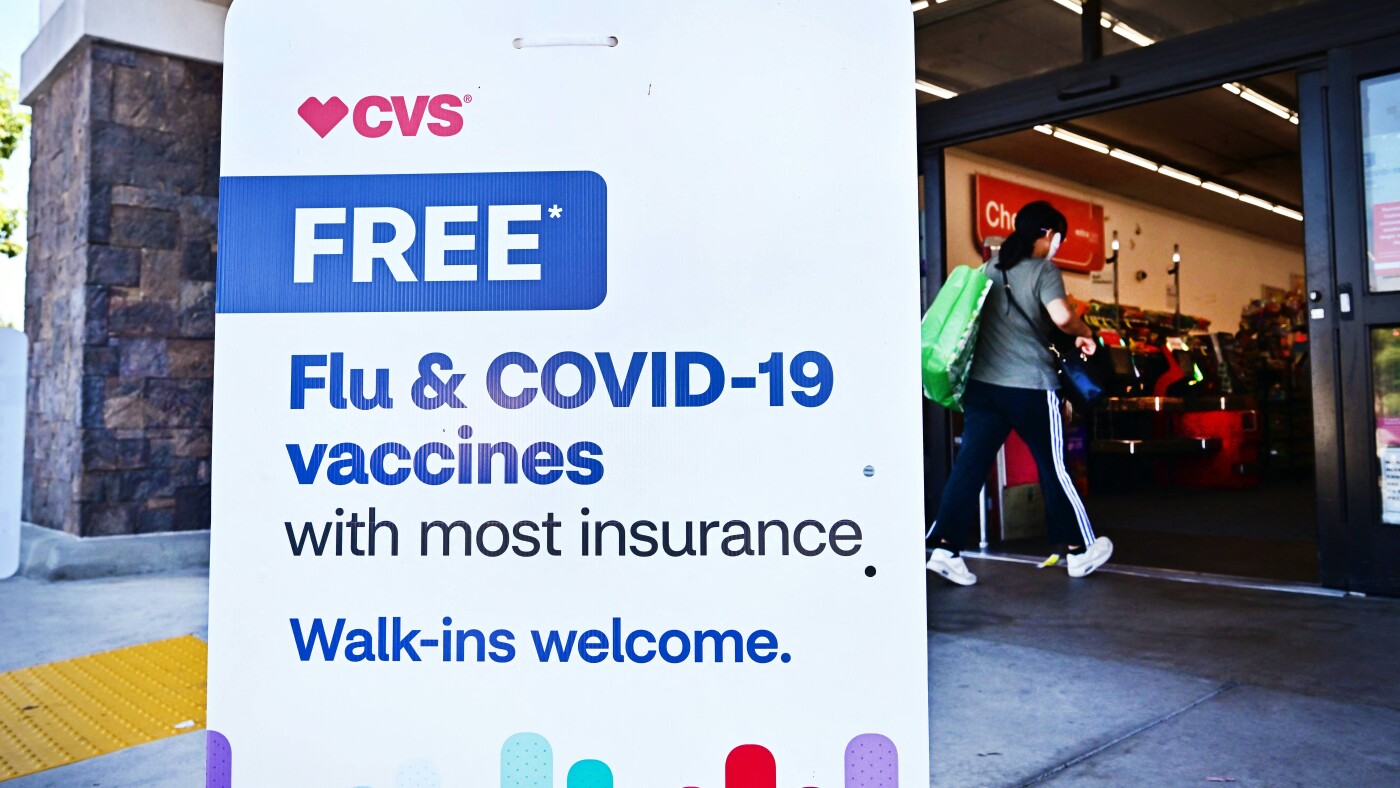
The Centers for Disease Control and Prevention (CDC) recently accepted new guidelines for COVID-19 vaccinations. These guidelines aim to improve how people approach vaccination but could also make it more difficult for some to get their shots this winter.
Previously, many could walk into a pharmacy or clinic and request a vaccine. Now, the process requires individuals to consult with a healthcare provider first. This part is called “shared decision-making.” It means that people should learn about the risks and benefits of vaccination before getting vaccinated. According to CDC Director Jim O’Neill, this aims to promote informed consent.
However, some experts disagree. Dorit Reiss, a professor at the University of California, argues that doctors have always needed to discuss risks with patients before vaccination. This new requirement may actually reduce vaccination rates instead of helping.
In another shift, some childhood vaccines, like the combination shot for measles, mumps, rubella, and chickenpox (MMRV), have faced restrictions. The CDC now recommends that these vaccines be given separately to kids under four years old due to a slightly higher risk of fevers that could lead to seizures. Experts note this change could lower vaccination rates further, especially among parents who preferred the combination shot for convenience.
Public response has varied. Many health experts express concerns about the changes. They worry that new rules could confuse parents, leading to more hesitance around vaccinations for COVID-19 and other preventable diseases. As one pediatrician put it, the new guidelines could undermine public trust in vaccines and make it harder for patients to navigate their health options.
On social media, reactions range from anger to confusion. Some users express frustration that getting vaccinated has become more challenging, while others worry this could impact community health.
Recent data supports these concerns. A study indicated that areas with complicated vaccination processes often see lower rates of overall vaccination. The impact of these changes could be significant, especially as flu and COVID-19 cases rise in the coming months.
The CDC’s new approach shows a shift in how vaccinations will be administered. This doesn’t just affect COVID-19 but could also have consequences for overall public health. Keeping track of vaccination requirements and ensuring easy access remain essential for protecting communities, especially as we enter a new health season.
For accurate data on vaccinations and healthy practices, check the CDC’s official guidelines.
Source link
