
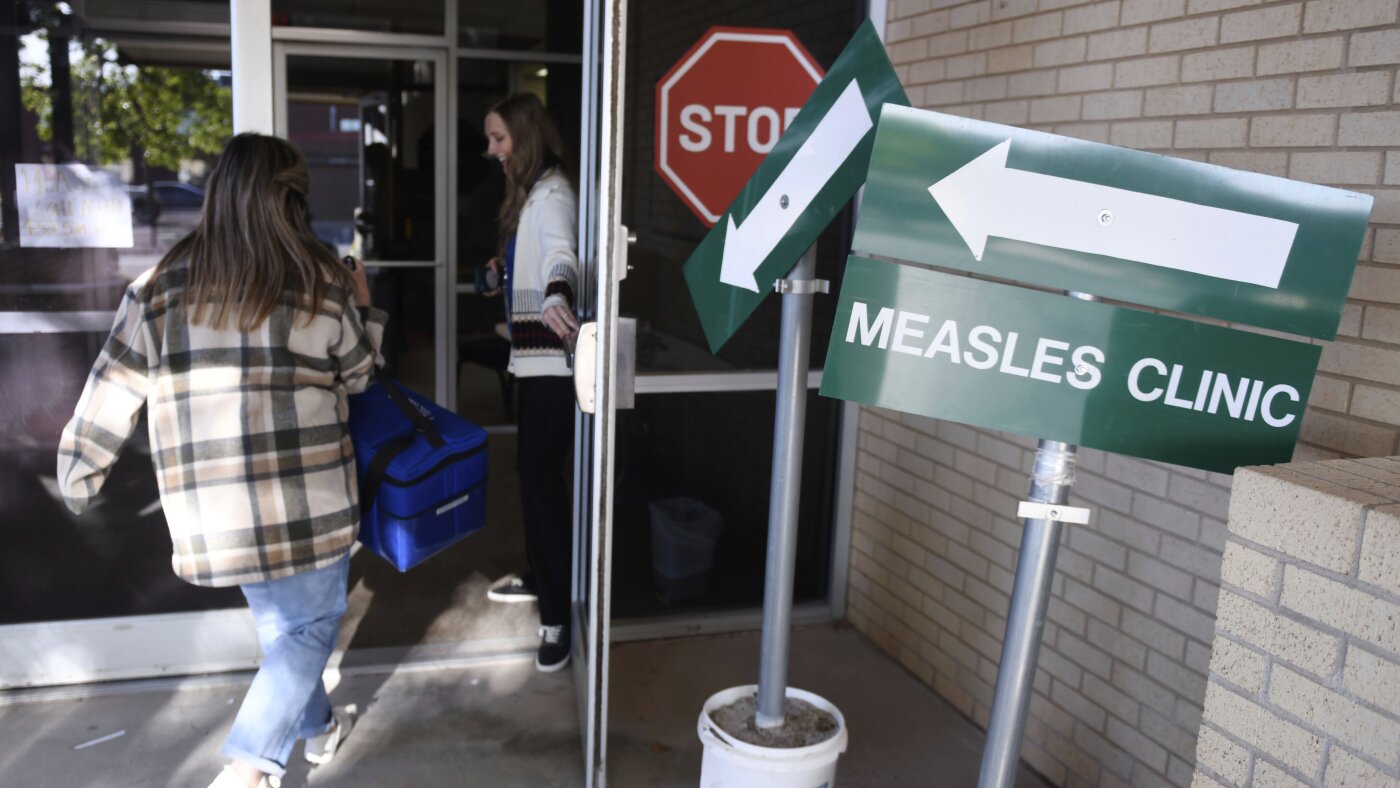
The measles outbreak in South Carolina is gaining momentum, with 847 reported cases since October. That’s more than Texas, where a similar outbreak began a year earlier. Dr. Linda Bell, the state’s epidemiologist, noted that South Carolina’s outbreak has surged in just 16 weeks, while Texas took seven months to reach its peak.
“This rapid increase is concerning,” Dr. Bell stated in a recent press conference. New infections are on the rise, with 58 new cases reported just last Tuesday.
This situation raises alarms about the U.S.’s ability to control measles. The nation risks losing its measles elimination status, a title granted when there’s no continuous transmission for a year. This designation could come under threat if current outbreaks continue as they have.
According to CDC expert Dr. Demetre Daskalakis, even if outbreaks are categorized as separate incidents, the U.S. could still lose its status due to inadequate control measures. “We lack the capabilities to effectively manage measles,” he emphasized.
As misinformation about vaccines spreads, some communities are growing hesitant about vaccinations, which only fuels these outbreaks. This phenomenon highlights the importance of public health campaigns and the necessity for reliable information. Research indicates that vaccine hesitancy can lead to increased hospitalizations and healthcare costs. For example, a recent study showed that the average cost of handling each measles case can reach $43,000—a burden on healthcare systems already stretched thin.
In South Carolina, unvaccinated children are primarily affected, prompting quarantines across schools. Clemson University and Anderson University recently reported cases as well. These outbreaks are also spreading beyond state lines, with North Carolina confirming infections linked to South Carolina cases.
Dr. Anna-Kathryn Burch, a pediatric specialist in Columbia, S.C., shared her frustration about the situation: “It breaks my heart to see my state facing this.” She warns that unless vaccination rates improve, numbers will likely continue to escalate.
Vaccines remain the most effective shield against measles. The measles, mumps, and rubella (MMR) vaccine is extremely safe and provides about 97% effectiveness after two doses. However, while the U.S. averaged a 92.5% vaccination rate among kindergartners in 2024-2025, many areas reported much lower numbers, which undermines herd immunity and increases outbreak potential.
In conclusion, rising measles cases underscore the urgent need for public awareness about the importance of vaccinations. The groundwork laid in past decades to eliminate measles is now at risk, demonstrating the intersection of public health, individual choices, and societal trust in vaccination efforts.
For more information about measles and vaccines, visit the CDC’s guide on vaccines [here](https://www.cdc.gov/vaccines/).
Source link
