
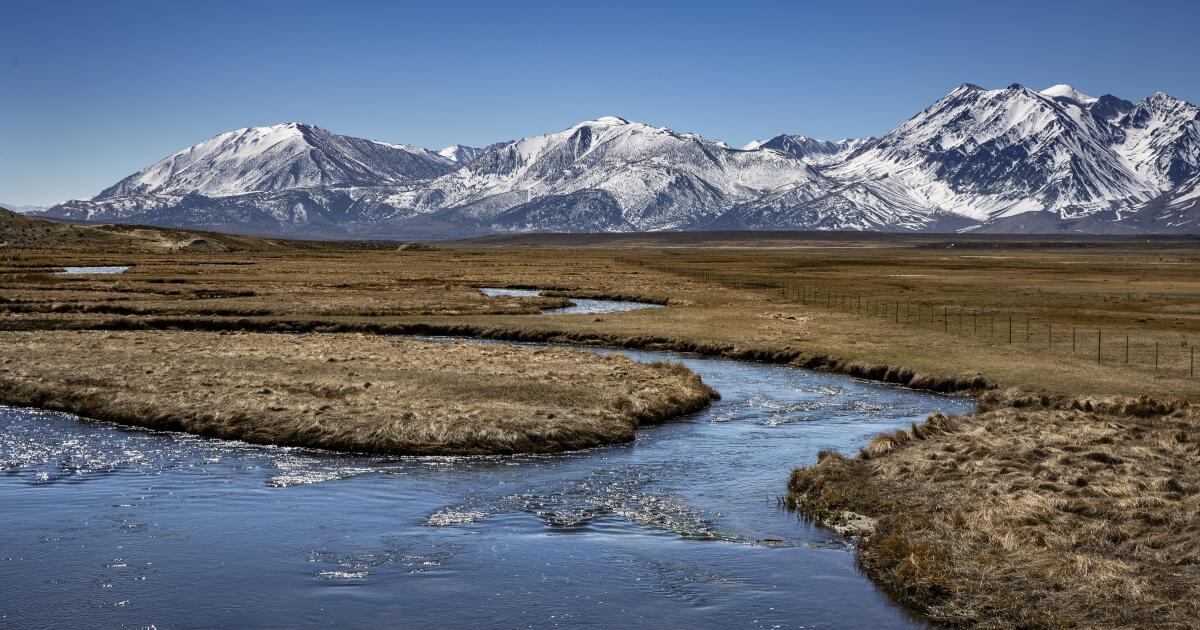
This year, California’s snowpack peaked on February 25, reaching only 73% of average levels. By April 1, when it was normally at its highest, it had melted down to just 18%—a dramatic drop. Andy Reising, the head of California’s snow surveys, noted that they couldn’t even measure snow in some areas, calling the readings “zero” as warm weather hastened the melt.
This early thaw is not just an anomaly; it’s a sign of the ongoing impacts of climate change. Peter Gleick, a prominent water scientist, explained, “This year is a clear example of climate change’s effects on California’s water system.” With the snow gone, streams and rivers will feel the strain as summer approaches.
In terms of weather, March brought record-high temperatures to the Western U.S., also impacting snow levels in the Rockies. The pattern has shifted with rainfall increasing but the amount of snow decreasing, leading to earlier drying of California’s forests. This raises the risk of wildfires, and Gleick warned that this year could be especially severe. “Rivers and streams drying out earlier impacts ecosystems and fisheries,” he said.
Looking back to historical data, California’s smallest snowpack, recorded in 2015, was just 5% of average levels, highlighting the alarming trend of diminishing snow supplies. Karla Nemeth, director of the California Department of Water Resources, emphasized that limited snowpack translates to limited water storage, compelling residents to conserve water.
Historically, California has depended on the Sierra snowpack for about 30% of its water supply. As snow and rainfall patterns shift, California will need new strategies to ensure water management remains effective. Gleick highlighted the urgent need for more efficient water use and new infrastructure planning to cope with these changes.
Recent surveys show that precipitation levels have remained stable, yet much of it is now falling as rain rather than snow. This change is significant because as snow thaws earlier, less water stored in snowpack is available throughout the dry summer months. The state is fortunate that Northern California’s reservoirs are currently full, thanks in part to recent wet winters. However, Gleick warns that future years may not see the same rainfall, underscoring the importance of preparation.
Looking nationally, the Colorado River has also experienced declines due to prolonged drought conditions exacerbated by climate change. The latest stats show that snowpack levels in the Colorado River watershed are now just 23% of average, adding more strain to water supply in Southern California.
As climate patterns become less predictable, experts like Daniel Swain from UC Agriculture and Natural Resources describe this winter’s extreme warmth as one of the most severe heat events ever recorded in the Southwest. Such drastic weather shifts are compelling state leaders to rethink the future of water storage and usage.
In conclusion, California faces a challenging road ahead in managing its water resources. With critical changes in snowfall, temperature, and precipitation, the state is adapting and looking for innovative solutions to ensure water availability for everyone.
