
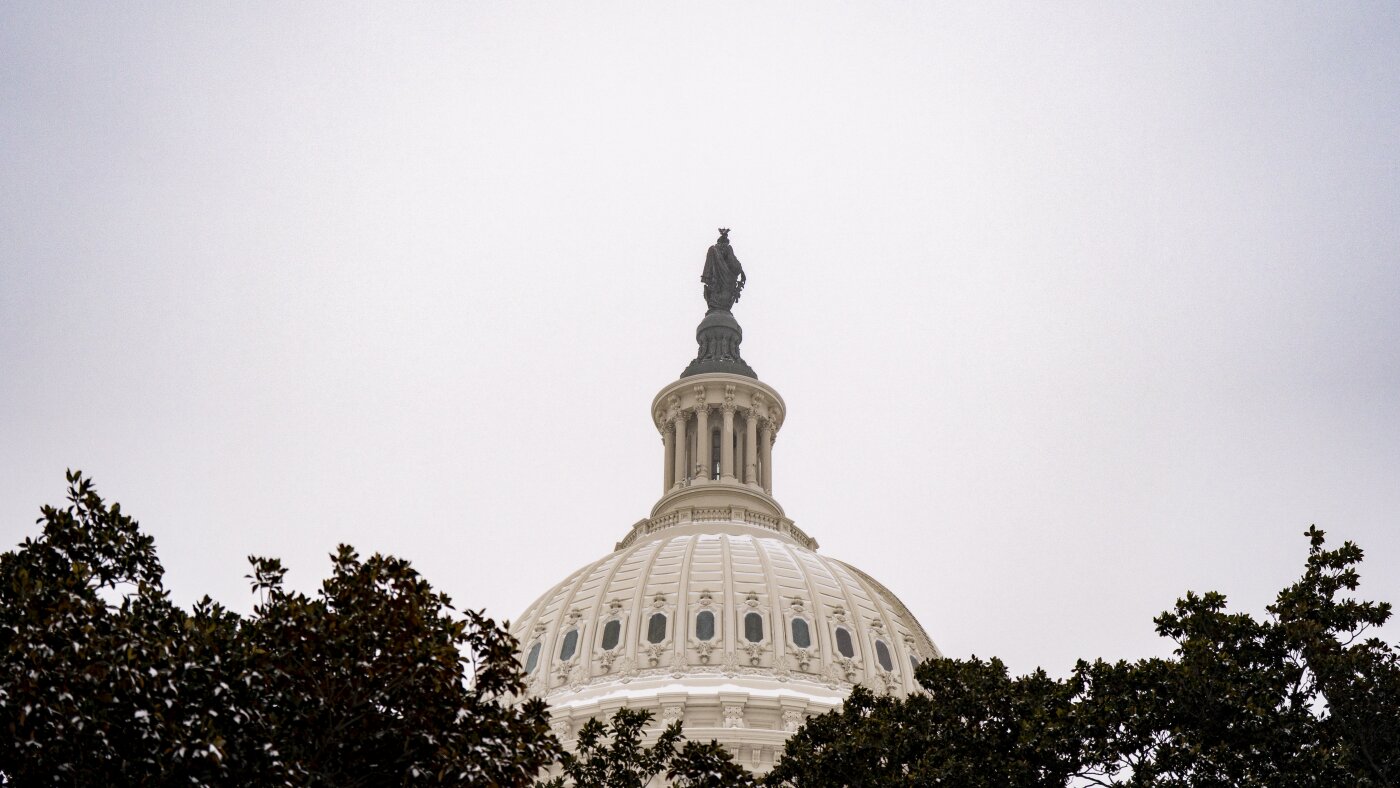
Congress is currently wrestling with immigration reform, especially in response to recent enforcement actions that resulted in tragic fatalities. A bipartisan effort is stalling as lawmakers struggle to find common ground ahead of a funding deadline for the Department of Homeland Security.
Just last month, Sen. Bernie Moreno of Ohio was optimistic about reaching a deal on renewing health insurance subsidies after their expiration at the end of last year. Polls show that most Americans want these subsidies reinstated, yet negotiations fell apart. Moreno attributed the breakdown to Democratic leaders prioritizing political strategy over genuine solutions.
This isn’t a new issue. Negotiations often crumble when partisan interests get in the way. For example, past efforts for comprehensive immigration reform also fell short, largely due to deep-seated disagreements between party lines. A notable attempt in 2013 by a bipartisan group known as the “Gang of Eight” ultimately failed due to conflicting priorities among lawmakers.
Sen. Chris Murphy, a Democrat from Connecticut, believes that recent concessions made by some Democrats to end a government shutdown weakened their leverage, making it harder to negotiate successfully. “Once you give up, you lose your standing,” he expressed. His remarks highlight a growing sentiment among lawmakers that compromise is becoming increasingly difficult.
Public sentiment supports these concerns. A recent Gallup survey indicates that 66% of Americans do not trust Congress to tackle important issues effectively. In focus groups, many swing voters voiced skepticism about Congress’s ability to act on immigration reform, reflecting a disconnect between lawmakers and the public they serve.
Moving forward, some lawmakers, like Sen. Katie Britt from Alabama, emphasize the need to approach negotiations with respect and dedication to finding workable solutions. “We must treat people with dignity to have tough conversations,” she stated, underscoring a commitment to collaboration despite challenges.
As discussions unfold, it remains to be seen if Congress can bridge the divide on immigration enforcement and health care. Historically, bipartisan efforts have faced significant hurdles, but given the current climate, there’s hope that fresh perspectives could lead to meaningful reforms that resonate with the public’s needs and expectations.
For further insights into public opinions on Congress and its actions, you can look at the recent [Gallup survey on public trust](https://news.gallup.com/poll/1600/congress-public.aspx).
