
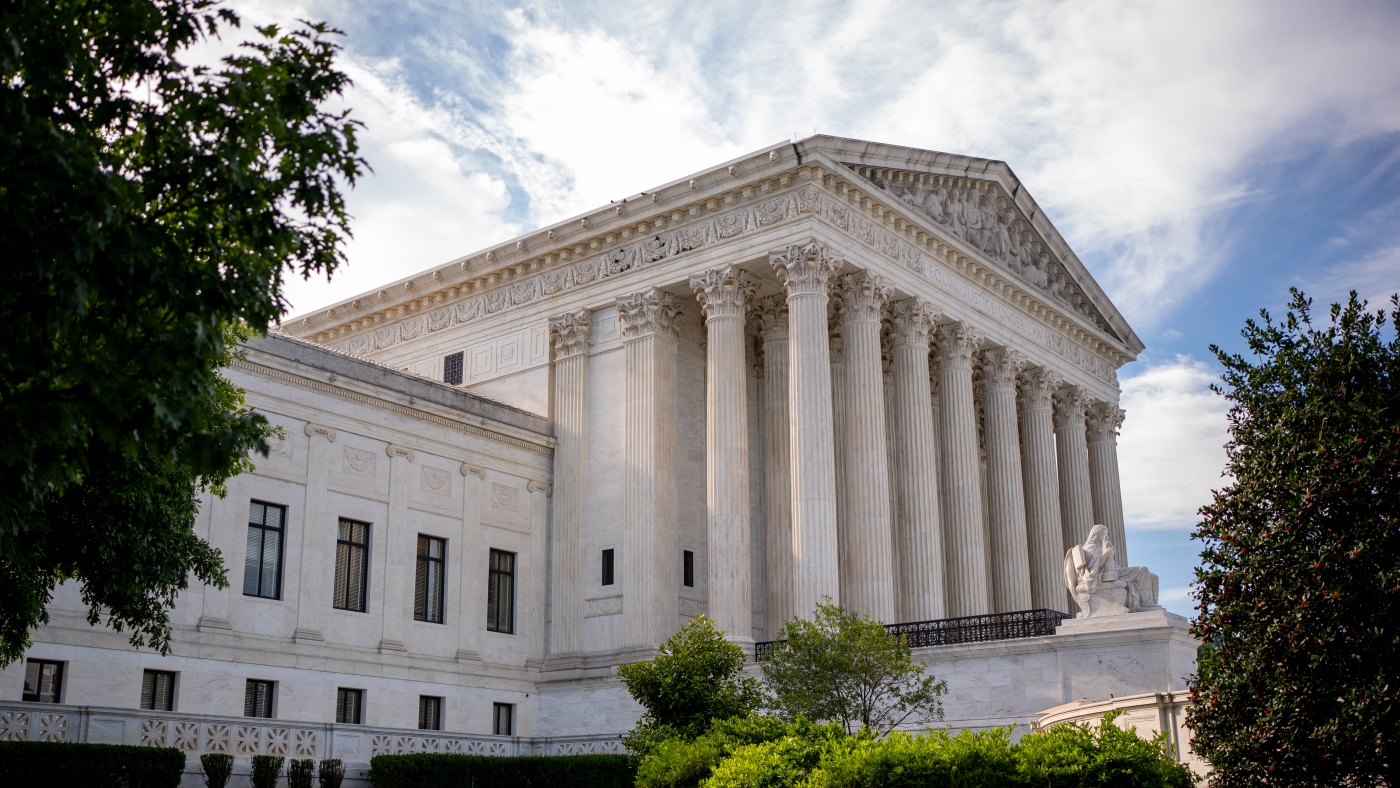
The U.S. Supreme Court recently decided against President Trump’s attempt to deploy National Guard troops in Illinois, overruling state objections. This ruling is significant as it clarifies the boundaries of presidential power in deploying federal military resources.
Trump’s administration argued that the situation warranted federal action due to ongoing violence against Immigration and Customs Enforcement (ICE) agents. However, lower courts disagreed, stating that the protests were not significant enough to justify federal intervention, essentially rejecting Trump’s claims of rebellion.
This ruling highlights a trend where the Supreme Court has shown caution regarding military deployment within states, particularly under the Posse Comitatus Act, which limits military law enforcement on U.S. soil. Legal experts noted the court’s decision might not create a lasting precedent but underscores the ongoing tension between federal and state authorities.
Illinois’s Attorney General Kwame Raoul praised the ruling. He argued that the deployment of National Guard troops was unnecessary and an overreach of presidential power. “The streets of Illinois will remain free of armed National Guard members as our litigation continues,” he stated.
The case comes amid rising tensions across various U.S. cities, where presidential deployments have been met with both support and criticism. For instance, states like Texas welcomed the National Guard to handle local challenges regarding immigration, while others, like Illinois and Oregon, have pushed back against such measures.
Statistics reported by the Pew Research Center reveal that nearly 65% of Americans support the idea that local authorities should control law enforcement issues, rather than federal military interventions. This growing sentiment reflects concerns about the militarization of police forces and the potential for civil liberties violations.
Social media trends have also displayed a division of public opinion, with hashtags like #DefendIllinois gaining traction as citizens advocate for their right to oppose federal overreach. Conversely, supporters of Trump argue that federal intervention is crucial to maintaining order and safety.
As the legal proceedings continue, it remains uncertain how this ruling will affect future deployments. This case also serves as a reminder of historical instances where federal and state authorities clashed over military use, such as during the civil rights movement, illustrating a long-standing conflict over state sovereignty and federal power.
Moving forward, this decision could influence not just how National Guard troops are deployed, but also how federal law interacts with state governance. As our society grapples with complex issues surrounding safety, law enforcement, and civil rights, this ruling exemplifies the ongoing debate over the balance of power within our government.
For more detailed insights, consider reading this comprehensive analysis from [Pew Research Center](https://www.pewresearch.org/).”
Source link
