
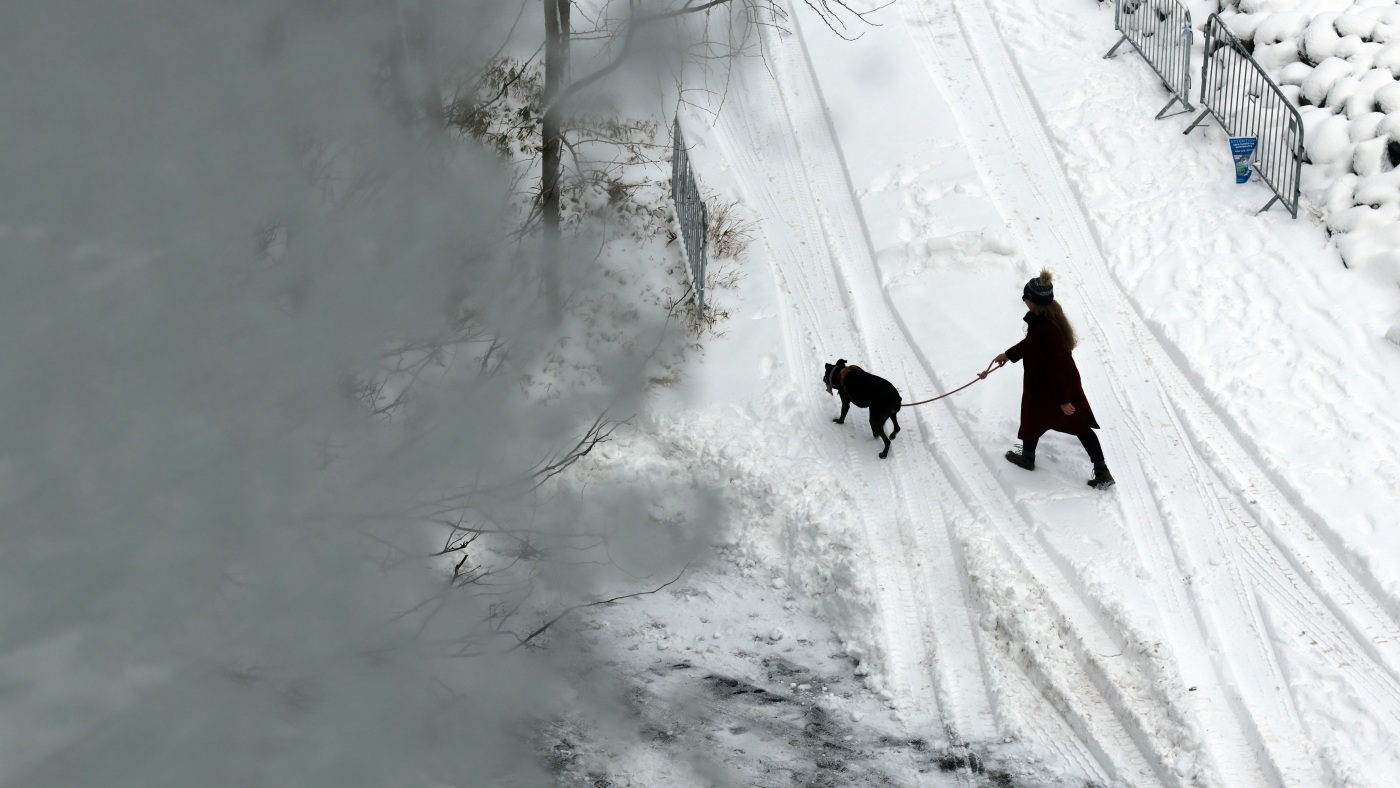
Severe winter weather is sweeping across the upper United States, courtesy of a strong cyclone system. This storm brings with it heavy snow, blizzard conditions, and dangerously low temperatures from Montana all the way to Maine.
As of Sunday afternoon, over eight million people were under winter storm warnings. Nearly two million faced blizzard warnings. Meteorologists predict a dramatic shift as an arctic front clashes with warmer air, potentially forming a ‘bomb cyclone’ over parts of the Midwest and Great Lakes. This phenomenon involves a rapid drop in pressure that can lead to intense weather.
Bob Oravec, a lead forecaster at the National Weather Service (NWS), emphasized the seriousness of the situation, stating, “We are anticipating some pretty big snows over the next 24 hours, particularly in eastern Minnesota and northern Wisconsin.” Some areas could see 6-12 inches of snow.
The NWS warns that blizzard conditions will create hazardous driving conditions. In Michigan’s Upper Peninsula, visibility may drop to near zero, creating risks of power outages as well. Mayor Paul Schloegel from Marquette shared that his city is well-prepared for dealing with snow and electrical issues, emphasizing safety as the top priority.
Further west, Minnesota is gearing up for major winter storm impacts, with certain areas expecting up to 10 inches of snow. The state has issued severe travel warnings due to dangerously low visibility and icy roads. The situation isn’t limited to the Midwest; even southern areas like Dallas, Texas, will feel the effects, going from warm weather in the 80s to much cooler highs in the 40s overnight.
With temperatures expected to plummet, residents from states like Montana could face wind chills as low as 15 degrees below zero. As for Northeastern states, freezing rain could complicate conditions from New York to northern New England, creating unsafe travel circumstances.
This winter’s weather trends remind us of historical snowstorms, like the infamous blizzard of 1888, which paralyzed the Northeast. Today’s technology allows for better forecasting and preparation, yet the harshness of nature remains a potent force. Social media reactions highlight the blend of enthusiasm and caution among residents, as they prepare to brave the winter elements. Many people take to platforms like Twitter to share their snow experiences, balancing excitement with caution.
For continued updates, the NWS remains a reliable source. It’s crucial to stay safe and informed during these severe weather events.
