
NATO’s Dependence on the U.S.
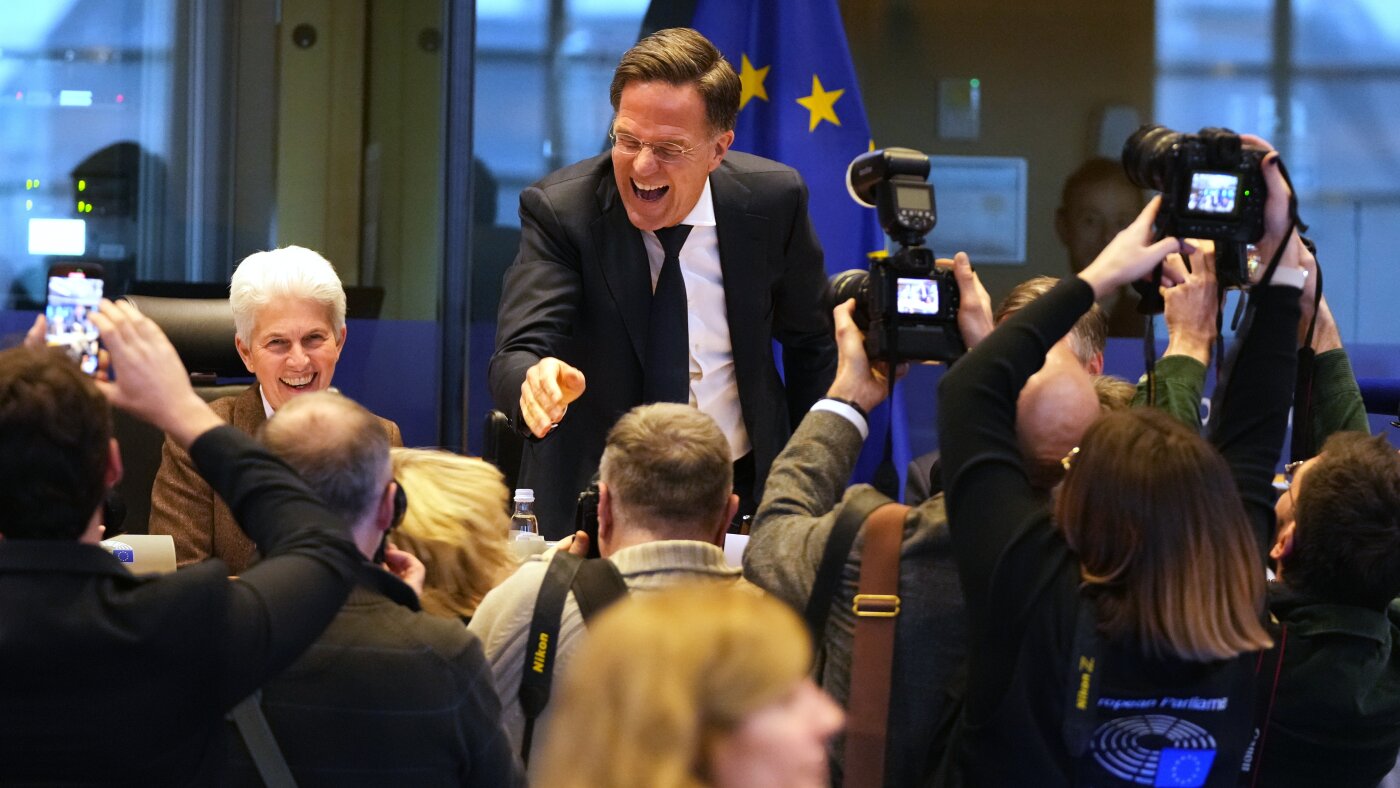
NATO Secretary-General Mark Rutte recently made a bold statement. He emphasized that Europe cannot defend itself without U.S. military support. In a speech to EU lawmakers, he stressed that Europe needs to drastically increase its military spending to stand alone.
According to Rutte, “If anyone thinks … that the European Union or Europe as a whole can defend itself without the U.S., keep on dreaming. You can’t.” This underscores a critical point: the interconnectedness of European and U.S. military capabilities.
Recent surveys show a growing concern among Europeans about security. A 2022 Pew Research study indicated that 70% of Europeans believe that the U.S. plays a crucial role in their security framework. This sentiment highlights the reliance on American military strength which dates back to World War II.
Tensions within NATO have been rising, particularly following U.S. President Donald Trump’s controversial remarks about Greenland. His threats of annexation raised alarms among allies, particularly Denmark. The situation prompted collective actions among NATO countries, leading to a commitment at the NATO summit in The Hague. European allies agreed to ramp up defense spending to match U.S. levels, aiming for 5% of GDP by 2035.
Rutte’s warning about the costs of going it alone is a wake-up call. He suggested that a true European defense strategy might need a spending increase to 10%, especially if nuclear capabilities are involved, which would require significant resources.
France has been advocating for “strategic autonomy” in Europe, suggesting that Europe should prepare to defend itself more independently. This call has gained traction, especially after concerns grew about U.S. security priorities shifting away from Europe.
Rutte’s final thoughts reflect the complex reality of international security: without the U.S., Europe would lose its ultimate protector. He painted a stark image of what that would mean, saying, “good luck!”
The future of NATO and European defense will likely hinge on the balance between cooperation with the U.S. and self-sufficiency. As we move forward, the conversation about military readiness and alliances will evolve, but one thing remains clear: Europe and the U.S. need each other for a stable security landscape.
For more insight on NATO’s role and Europe’s defense strategies, check out sources like the Council on Foreign Relations.
