
Milan is set to host the Winter Olympics, featuring 16 thrilling sports like skating, skiing, and snowboarding. But let’s take a moment to remember some once-popular sports that have vanished from the Olympic stage: dog sledding, ski ballet, and others.
Many of these sports were once demonstration events, designed to showcase new sports. Olympic historian Bill Mallon notes that this practice started at the first Winter Olympics in 1924 and gained traction after World War II. Generally, every Winter Games featured two demonstration sports—one that highlighted the host country and another trying to assess its readiness for the Olympics.
Interestingly, some current Olympic favorites began as demonstrations, including curling and women’s speed skating, both featured in Lake Placid in 1932. However, many sports didn’t see a second chance.
The International Olympic Committee (IOC) is responsible for adding or removing sports. New sports must meet strict guidelines, including calls for anti-doping compliance and events for both men and women. This has recently opened the door for newer sports like breakdancing, surfing, and skateboarding. Mallon shares that achieving Olympic status brings prestige and crucial funding to these sports.
Logistical factors like costs and dwindling viewership can lead the IOC to eliminate disciplines. For instance, bobsleigh was omitted from the 1960 Winter Games in Squaw Valley, only to reappear in Innsbruck in 1964. Currently, the Winter Games feature significantly fewer events than the Summer Games, a trend Mallon hopes will change with the potential return of once-celebrated sports like sled dog racing and skijoring.
Let’s dive deeper into these vanished sports:
Military Patrol was a mix of cross-country skiing and rifle shooting, first seen in 1924. Teams, including one officer, raced across an 18-mile course, earning time deductions through successful shooting. This sport saw Olympic action until 1948 but was essentially replaced by its modern counterpart, the biathlon.
Skijoring, introduced as a demonstration sport in St. Moritz in 1928, had athletes towed by horses across frozen lakes. Though it didn’t remain an Olympic sport, it has found a dedicated following in states like Wyoming and Colorado, often involving snowmobiles instead of traditional horses.
Dog Sledding debuted at the 1932 Winter Olympics. Teams of mushers raced over 25 miles, but the sport fell out of favor. Today, it thrives independently through competitions like the Iditarod and Yukon Quest.
Bandy, akin to ice hockey played with skates and a ball, was showcased in 1952. This ancient sport, depicted in Egyptian cave art, has a continued presence in Europe and a developing interest in the U.S., especially in places like Minnesota.
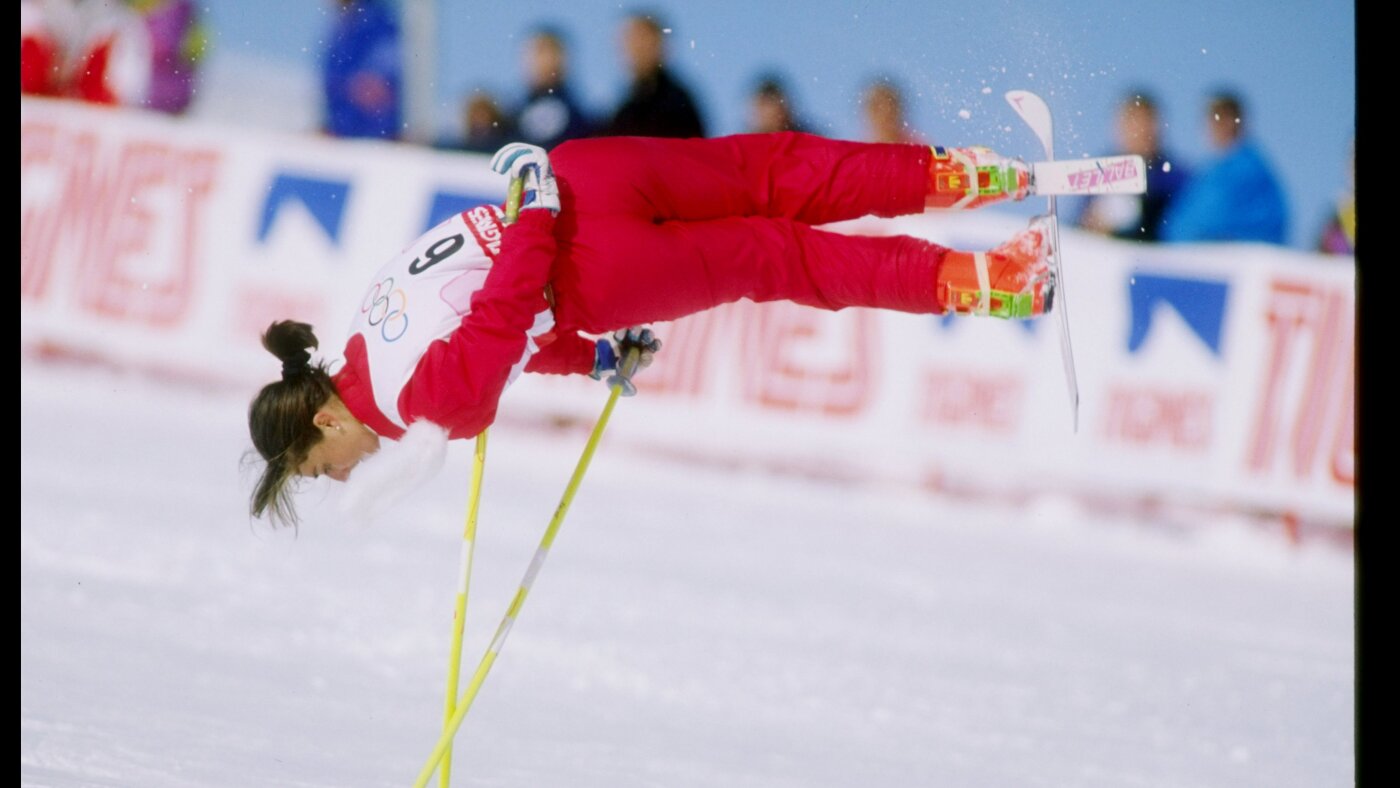
Ski Ballet, or “acroski,” was closer to figure skating than skiing, characterized by choreographed routines scored by judges. It emerged from the counterculture era of the 60s and 70s. Although it appeared in 1988 and 1992, it gradually faded. Its influence can still be felt in modern freestyle skiing.
While many of these sports have left the Olympic spotlight, their legacies continue to inspire athletes and fans alike. The discussion around their return could ignite new interest and participation in winter sports.
