
The FIFA World Cup is only 100 days away, but instead of excitement, there’s growing concern. Recent tensions between the U.S. and Iran have raised questions about whether Iran will pull out of the tournament. This would be unprecedented since no qualified team has withdrawn since 1950, a year marked by countries like Scotland and India opting out for various reasons.
But Iran isn’t the only country facing tough questions. Violence in Mexico after the killing of a cartel leader has many wondering if fans will feel safe attending matches there. Additionally, U.S. host cities are grappling with funding issues, causing further uncertainty.
Ticket prices are another major concern. FIFA has set record prices, making it hard for many fans to afford to attend. The most expensive tickets have surged, with some selling for nearly $8,700. Travel and lodging costs have also skyrocketed, compounding the financial strain on fans.
Historically, concerns about safety have always shadowed major tournaments. Similar fears arose before the 2010 World Cup in South Africa and the 2014 tournament in Brazil, yet both events ultimately went on without major incidents. However, this year’s tournament is unique—set to feature 48 teams and 104 matches across three nations amid significant geopolitical tensions.
One major worry is the potential withdrawal of Iran, which has a strong football team. Their federation leader, Mehdi Taj, mentioned the challenges posed by recent developments, hinting at a subdued outlook for the tournament. Meanwhile, FIFA’s Secretary General, Mattias Grafstrom, stated that they are closely monitoring the situation but have not provided definitive answers regarding Iran’s participation.
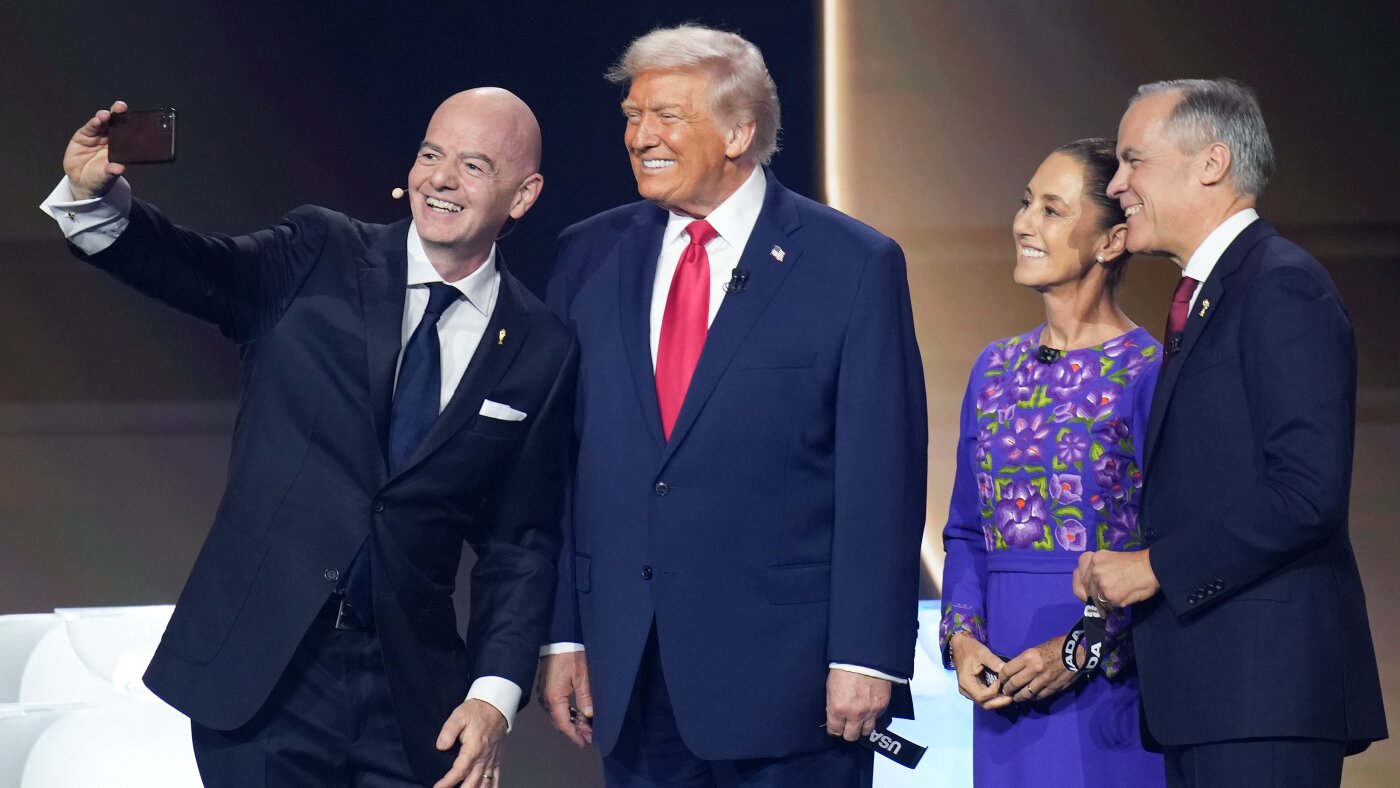
Mexico’s insecurity adds another layer of anxiety. President Claudia Sheinbaum has reassured that there will be no risks for visitors, and FIFA’s president is confident in Mexico’s ability to host. However, concerns linger, particularly as the country prepares for 13 World Cup games, including in Guadalajara, where violence has recently been prevalent.
Financial issues are critical, too. American cities have not yet received crucial federal funding for security costs, leaving them in a bind. Miami’s Host Committee insists that without this funding, plans could fall apart. The DHS has mentioned that funding approvals are underway, but delays are a significant worry for cities trying to prepare for such a large event.
Amid political tensions, the impact of President Trump’s policies on international travel remains uncertain. Countries such as Iran, Senegal, and Haiti how their citizens will navigate the visa process. The drastic drop in tourism to the U.S. hints at a challenging environment for fans attempting to attend the World Cup.
As the countdown proceeds, it’s clear that the 2026 World Cup is surrounded by more questions than usual. With each passing day, the stakes continue to rise, shaping what will be the most complex and largest tournament yet.
