
When Braxton Wiggins was diagnosed with leukemia last summer, Riley Children’s Health became a crucial support for his family. “They saved his life,” says Matthew Wiggins, Braxton’s father. He appreciates the care provided, especially from the nurses.
Traveling from Martinsville to Indianapolis for Braxton’s treatments is a journey that takes a full day. “It’s an hour each way, and I often have to take time off work,” Matthew shares. Braxton receives treatment every five days, along with lab tests and blood transfusions.
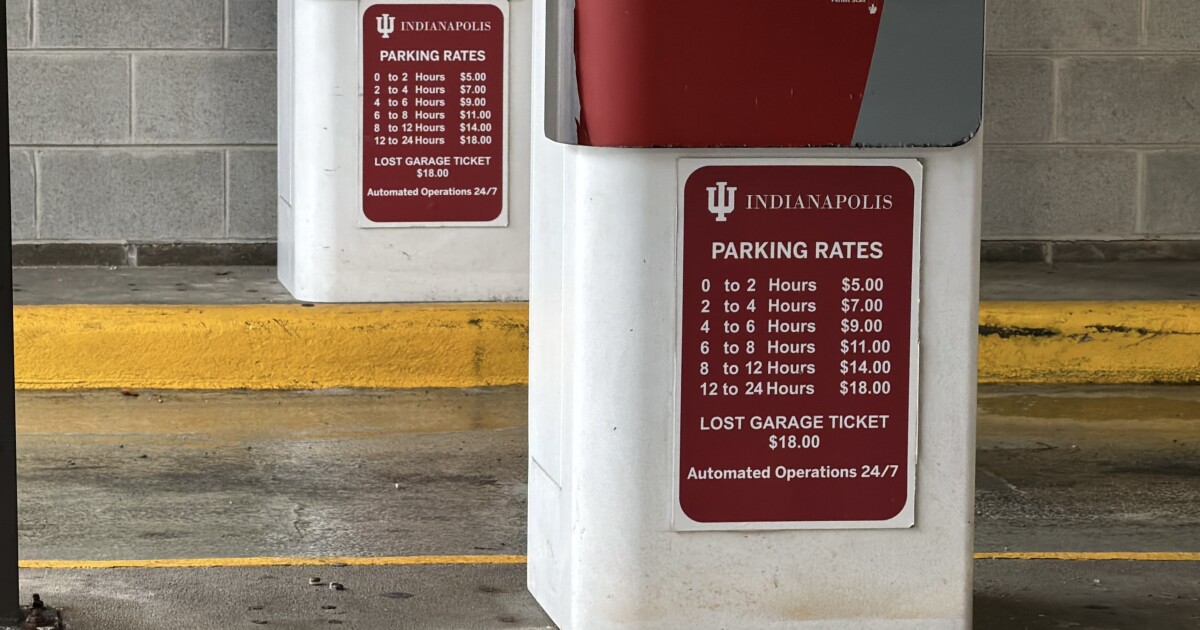
Matthew understands that for many families, visiting Riley can be one of the hardest days of their lives. Unfortunately, recent changes in parking fees have added to their stress. The usual daily parking rate was $18, but as of March 1, it has been reduced to $5 for outpatient care. However, this change doesn’t erase the burden of additional costs.
Many families are struggling with their finances while caring for sick children. Matthew emphasizes, “Adding any extra expense, like parking, can be tough on those already in a difficult situation.” He recognizes that many are in even harder spots than his own.
Riley Children’s Health is aware of these challenges. A spokesperson said, “We understand that any added expense can be tough. Patients facing financial hardships are encouraged to reach out for assistance.”
In a recent survey by the American Hospital Association, 77% of hospital leaders reported concerns about increased financial pressures on patients, especially during tough times like these. This reflects a wider trend of hospitals trying to balance operational costs with the needs of families.
As health systems evolve, so do their policies. The focus should be on providing ease and support to families navigating challenging medical situations, rather than adding to their burdens.
This is a reminder that compassion in healthcare isn’t just about treatment but also about understanding the broader context of a patient’s journey.
Source link
