
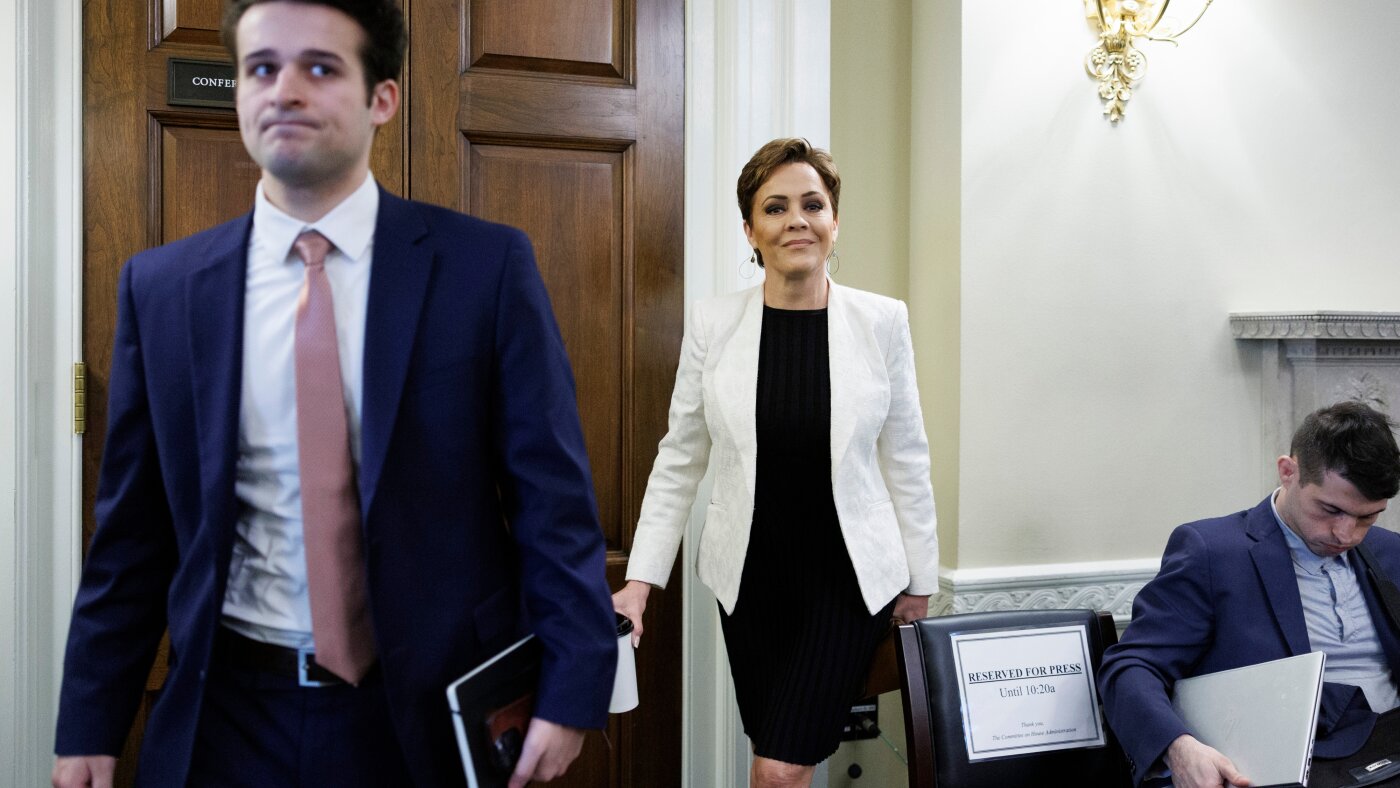
A recent ruling from U.S. District Court Judge Royce C. Lamberth has significant implications for Kari Lake and her time as a senior adviser at the U.S. Agency for Global Media. The judge found that Lake acted unlawfully while leading the agency, particularly in regards to her authority over the Voice of America (VOA).
In his decision, Lamberth declared all of Lake’s actions null and void, especially her controversial layoffs of over 1,000 staff members. This includes serious allegations about her role in attempting to reshape the agency into a platform for pro-Trump propaganda, especially during coverage of significant international events, like the conflict in Iran.
Experts suggest that this ruling reflects broader tensions in U.S. governance where the balance of power between the executive and legislative branches is critical. The VOA, which has a long history dating back to World War II, was meant to demonstrate how American journalism can thrive even under difficult conditions. Now, the agency is struggling with its mission following cuts under Lake’s leadership.
Statistics reveal a troubling decline in the diversity of VOA’s programming. Before last year, the agency broadcasted in 49 languages but now only offers programming in six. This decline could impact millions who rely on the VOA for unbiased reporting.
Critics have also pointed out that the layoffs and programming cuts might affect the agency’s ability to fulfill its congressional mandate. It has raised questions about transparency, especially since Lake has not provided documentation proving her authority to make such significant changes.
User reactions have been mixed, with some praising the court’s ruling as a victory for independent journalism. Many members of the public and industry professionals are voicing their hopes that this will lead to a restoration of the agency’s integrity and mission.
In her response, Lake expressed her intention to appeal, framing the ruling as an obstacle in what she claims is a necessary restructuring of government media. She, however, faces an uphill battle, as legal experts believe that the ruling not only checks her authority but may also pave the way for restoring critical journalism standards at the VOA.
Overall, this case signals a complex intersection of politics, law, and media integrity that deserves continued attention. As the situation develops, the future of the VOA and its commitment to delivering reliable news remains in the balance.
Source link
