
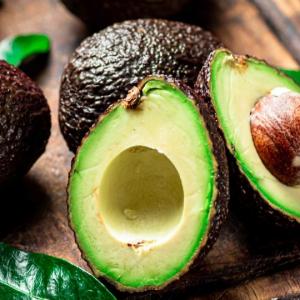
The avocado is a fascinating fruit, often seeming oddly designed for today’s world. With its rich flesh and large seed, it raises questions about its evolution. Here’s the deal: no animals alive today are known to eat avocados whole and effectively distribute their seeds. So how does this fruit still thrive?
This mystery has intrigued evolutionary biologists for years. They see avocados (Persea americana) as a remnant of a time when large animals roamed the Earth. During the last Ice Age, these animals played a key role in spreading seeds. Now, without them, the avocado seems out of place.
A 2021 study in Frontiers in Plant Science dives into this topic, exposing how some fruits are evolutionary anachronisms—traits that developed in response to interactions that no longer exist. Avocados serve as a perfect example. Most fruit-producing plants rely on animals to help disperse their seeds. The logic is simple: a tasty fruit attracts animals, which eat the fruit and carry the seeds away. However, avocados have large seeds and bulky fruits that are tough for today’s birds and mammals to consume completely.
Without the right animal partners, the avocado appears ill-suited for modern ecosystems. But this “flaw” might actually reveal its survival strategy. Researchers argue that avocados are remnants of a time when megafauna, large animals capable of swallowing big fruits whole, thrived. When these animals vanished, many fruits like avocados remained, highlighting a lost relationship.
To understand the avocado’s unique past, we can look back to the Pleistocene Era. This time was characterized by megafauna, including enormous creatures like the giant ground sloth. A 2001 study from Acta Palaeontologica Polonica suggests that these ground sloths weren’t just random herbivores; they directly interacted with plants, aiding in seed dispersal.
Research shows that these giants could eat substantial amounts of fruit. They traveled far, carrying seeds through their digestive systems and depositing them in nutrient-rich dung. This setup helped maintain the connection between various plants. Today, avocados’ sizes may seem excessive but were actually functional when megafauna were around.
This process of coevolution—where plants and animals shape each other’s traits—made the avocado a well-adapted fruit for a world that no longer exists. But the extinction of these large animals left a significant gap in the ecosystem. The loss of megafauna wasn’t just about individual species; it reshaped entire environments.
A 2025 study in Biology Letters emphasizes how ground sloths contributed to ecosystems by dispersing seeds, maintaining biodiversity, and fostering resilience in plant species. Their extinction disrupted these processes, leading to fragmented plant populations struggling for survival.
Some plants adapted by reducing their ranges or seeking different dispersers. Others, like the avocado, survived largely thanks to human intervention. We cultivate avocados and distribute them globally, but we can’t replicate the ecological roles played by large animals.
Today, avocados remind us of lost relationships. Their traits reflect interactions from a distant past. While evolution doesn’t predict the future, it responds to present conditions. The avocado’s survival is a testament to nature’s resilience, finding new ways to thrive despite its mismatched design.
In the end, this unique fruit carries echoes of a bygone era—a time when it had giant partners to help it flourish. Despite the mismatch, we still enjoy avocados, showcasing life’s ability to adapt and improvise.
Source link
Avocados, ecological perspective, fruit, Evolutionary biologists
