
A major shift is happening in the food industry. McCormick & Company is teaming up with Unilever’s food division in a deal worth around $65.8 billion. This move is significant, reflecting a growing trend of consolidation in the food market.
McCormick is known for its spice products, and CEO Brendan Foley will head the combined entity. The company plans to lean on a mixture of cash and loans to finance this move, securing over $15 billion in bridge financing from major banks.
The merger aims to cut costs by about $600 million annually. However, the combined company still faces challenges. Unilever’s food unit has seen modest growth, with sales up just 2.5% last year, mainly due to rising prices. This comes amid a tough environment for packaged food, where consumer preferences are changing rapidly.
Experts are keenly watching this merger. Deutsche Bank analyst Steve Powers pointed out the broader difficulties within the industry. He believes the challenges aren’t just temporary. Issues like demographic shifts and changing market dynamics are likely to create longer-term hurdles for companies.
The merger is also part of a larger trend in the food sector. Companies are adjusting their strategies to remain viable. McCormick has been actively acquiring brands to stay ahead, including the $4.2 billion purchase of Reckitt Benckiser’s food division in 2017. This deal brought popular products like French’s Mustard into McCormick’s portfolio.
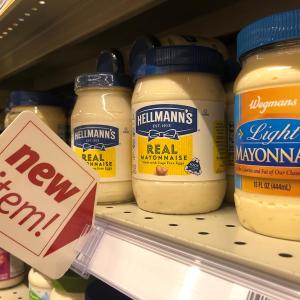
Unilever’s food division, while performing decently, has not been without its difficulties. The market has been tough, particularly in developed nations. For example, their Hellmann’s brand has done well with innovative products like flavored mayonnaise, but overall, the sector has been sluggish. This combination of factors is causing investors to reassess Big Food companies, viewing them as potentially slow to adapt to changes.
As consumers change their eating habits, the packaged food industry must evolve. The rise of health-focused diets and new, more effective weight-loss medications that impact appetite are examples of how external factors can shift market dynamics rapidly.
In short, the McCormick-Unilever merger reflects a critical moment for the food industry. As these companies reshape their identities and strategies, it will be interesting to see how they navigate the challenges ahead.
For more insights on the food industry and economic trends, you can visit reliable sources like the U.S. Department of Agriculture or the Food Marketing Institute.
Source link
Unilever, Brendan Foley, McCormick & Company, Citigroup Global Markets Inc., combined company, foods business
