
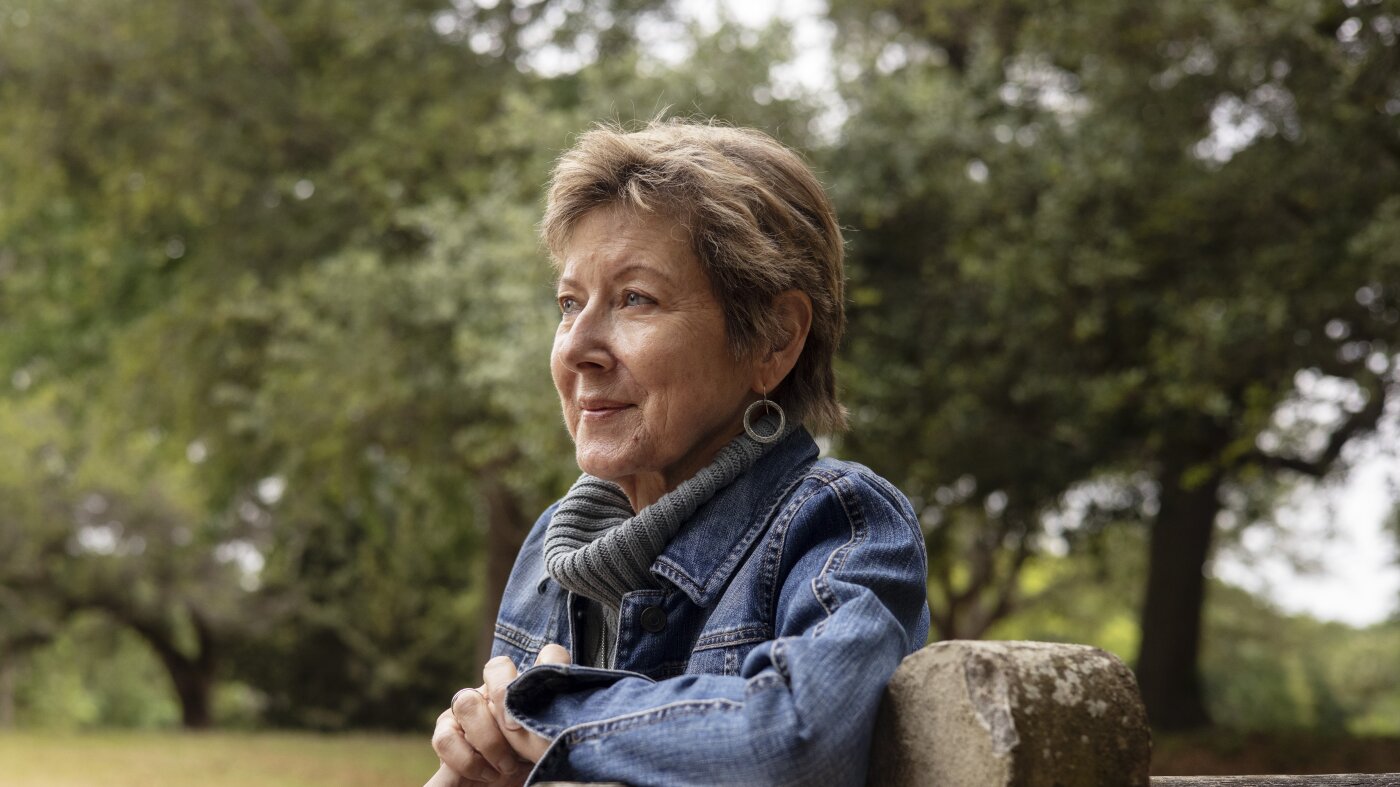
Vicky Stinson was diagnosed with Stage III pancreatic cancer in 2024, after months of doctors trying to figure out the cause of her jaundice. The news hit her hard. “That was really tough,” she says. But instead of giving in to despair, she decided to fight back. Now, two years later, she’s proving the doctors wrong.
At 65, Vicky is a retired landscape architect who loves hiking in Arizona and painting. Her determination shines through as she shares, “I have this drive, and I want to keep going.” Despite her diagnosis, Vicky has taken active steps to manage her health and stay engaged with life.
New treatments are emerging in the battle against pancreatic cancer, a disease often labeled “silent” because it’s tough to detect early. In the U.S., around 70,000 people are diagnosed each year, with about 80% facing late-stage discovery. The current five-year survival rate is just 13%, but researchers are making strides. Vicky has benefited from a new drug called daraxonrasib, which specifically targets a common mutation in cancer cells. This treatment is part of a new wave of therapies that promise to change the outlook for many patients.
The potential of drugs like daraxonrasib is significant. Clinical trials show patients on this medication can live three to four times longer than those on traditional chemotherapy. This progress reflects a shift toward more targeted therapies, addressing the specific genetic makeup of tumors rather than using blanket treatments that can cause severe side effects.
Experts like Dr. Rajesh Ramanathan from Banner MD Anderson Cancer Center explain that pancreatic cancer is particularly challenging due to its location and symptoms. Often, patients experience vague pain or discomfort, leading to late diagnoses. The tumor can create a protective layer, making treatment difficult because it shields itself from the body’s natural defenses and medical interventions.
Alongside daraxonrasib, innovative treatments are on the horizon. For example, customized mRNA vaccines are being developed, which tailor the immune response to the individual patient’s cancer profile. There have even been FDA-approved devices that utilize electric fields to target cancer cells directly, helping to activate the immune response without introducing more toxins.
In her journey, Vicky has experienced challenges, especially with her cancer returning this year after a period of stability. Despite the setbacks, she remains optimistic. “It feels like it’s so close,” she shares, comparing her situation to a ripe tomato waiting to be picked. Her hope reflects the broader sentiment among pancreatic cancer patients, who are eager for the breakthrough treatments that are just around the corner.
Vicky’s story highlights the resilience of those facing serious health issues and the potential of modern medicine to improve their lives. As researchers continue their work, there’s hope that treatments will keep evolving, giving patients like Vicky the chance to enjoy more time with loved ones.
For more about pancreatic cancer statistics and treatment options, you can visit the American Cancer Society’s website here.
