
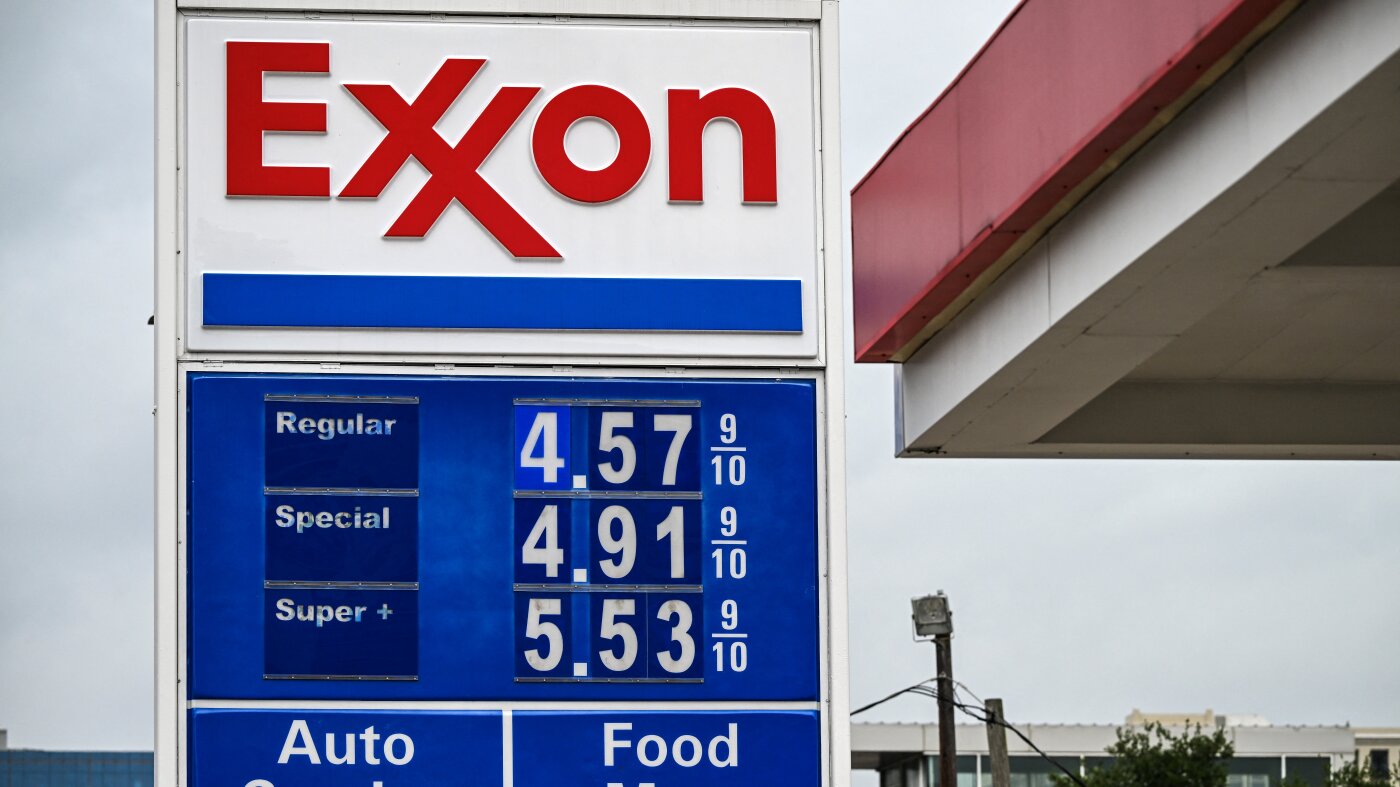
The U.S. is facing the highest inflation rates in nearly three years, largely due to the ongoing conflict with Iran. Recent data shows that consumer prices rose 3.8% in April compared to last year, marking the highest annual increase since May 2023. Prices increased by 0.6% from March to April, affecting various sectors.
Gas Prices on the Rise
One of the biggest contributors to this inflation spike is gas prices. Since the war began, average gasoline costs have surged to about $2.50 per gallon, a jump of 38 cents in just a month. This rise in energy prices accounted for 40% of the monthly increase in the consumer price index in April. The Strait of Hormuz, a key route for oil shipments, has been impacted, leading to significant logistical challenges and price hikes.
Broader Impact on Costs
When energy prices rise, it doesn’t just affect fuel; it spills over into other goods and services. For example, airfares increased by 2.8% last month and are over 20% higher than a year ago. Airlines are struggling with soaring jet fuel costs. Diesel has also surged by $1.88 per gallon since the conflict started. This could lead to higher prices for everything delivered by truck or train.
Housing Costs Contributing to Inflation
Housing has also played a role in the inflation increase, with costs rising by 0.6% from March to April. Interestingly, this spike partially stems from a government shutdown last fall, which hampered price collection efforts. As a result, the earlier data on housing inflation appeared lower than it truly was.
According to a recent survey by the U.S. Bureau of Labor Statistics, about 70% of consumers reported feeling the impact of rising prices on their monthly budgets.
Expert Insights
Economists suggest that the mixed signals in the data might reflect ongoing instability in global markets. Julia Coronado, an economist at the Economic Advisory Group, noted, “Inflation tends to be sticky, especially when it’s driven by supply chain disruptions or geopolitical tensions.”
Overall, while the spike in inflation indicates rising costs across the board, understanding the underlying factors helps in navigating this complex economic landscape. To dive deeper into economic trends, you can check out resources from the U.S. Bureau of Labor Statistics.
