
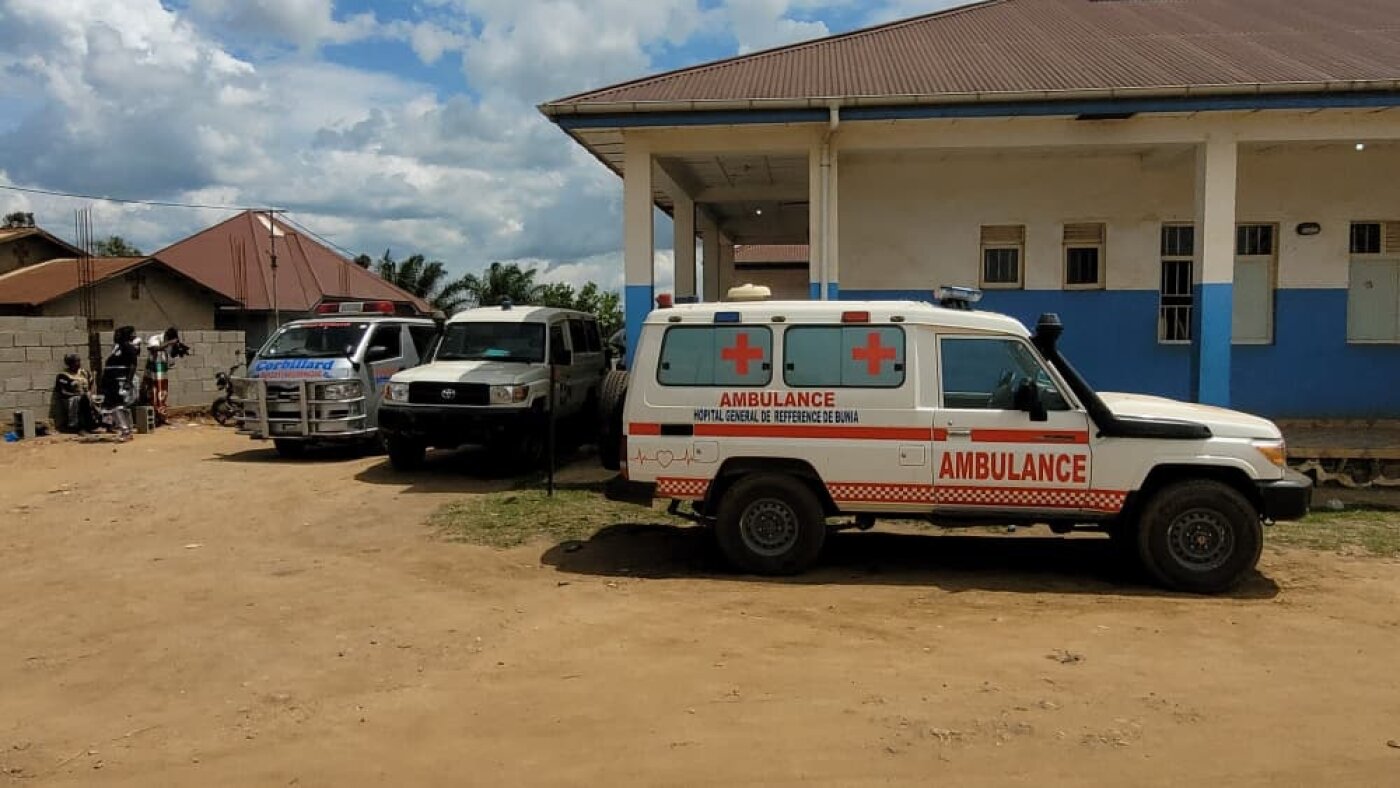
Health officials in the Democratic Republic of Congo (DRC) are alarmed about an Ebola outbreak in the Ituri province. There are hundreds of suspected cases, and one has even crossed into Uganda. This latest strain of Ebola doesn’t have a vaccine, according to the Africa Centres for Disease Control and Prevention.
The outbreak was confirmed on Friday, as reported by the World Health Organization. Ebola spreads through blood and bodily fluids, as well as contaminated surfaces. Symptoms include fever, body aches, vomiting, and potentially, bleeding.
Dr. Jean Kaseya, the director of the Africa CDC, stated that the outbreak likely began in late April. As of now, there are 336 suspected cases and 87 deaths. The outbreak has mostly affected two mining towns, Mongwalu and Rwampara, which are popular for workers coming and going.
On May 14, a 59-year-old man died from the virus in Kampala, Uganda. Before he died, he had contacted many people in his community and used public transport to reach the hospital.
Experts recommend that healthcare workers dealing with Ebola patients wear protective equipment like goggles, masks, and gowns, due to the virus’s high transmissibility. Dr. Kaseya mentioned that there are challenges in obtaining sufficient personal protective equipment (PPE) in the region, highlighting the need for more funding.
The speed of the virus’s spread remains unclear. There have been two previous outbreaks of this particular strain, known as Bundibugyo. Since it is less common than the Zaire strain, it is not as well understood, and there is no known vaccine. However, researchers are developing an experimental vaccine that has shown some promise in animal trials.
In a recent statement, the Africa CDC noted they are collaborating with health organizations to improve cross-border surveillance and response efforts.
Dr. Craig Spencer, a public health professor at Brown University and an Ebola survivor from the 2014 outbreak, commented on social media that the current outbreak is already significant even if it’s just now gaining attention. He emphasized that delayed recognition makes it harder to track contacts and cases effectively.
Historically, between 2014 and 2016, an Ebola outbreak in West Africa led to 28,600 infections and 11,325 deaths. This tragic event began in Guinea and spread to several other countries, highlighting the ongoing threat of Ebola outbreaks globally.
Understanding this current outbreak’s dynamics is crucial. Ongoing monitoring and research will be key to combating the virus and preventing further spread.
