
Ebola Outbreak in Congo: Current Crisis
In eastern Congo, healthcare workers are feeling anxious as they deal with a rapidly spreading Ebola outbreak. This outbreak involves a rare type of the virus, and many feel unprotected and untrained to handle the situation effectively.
The region has faced violence from various armed groups, making it even harder to manage the crisis. Recently, militants killed at least 17 people in Alima village, exacerbating the fears of local leaders.
As of now, the World Health Organization (WHO) has not identified “patient zero.” While the global risk remains low, the situation on the ground is dire. Local resident Justin Ndasi expressed his sadness, saying, “We’ve already been through a security crisis, and now Ebola is here too.”
Although tons of health supplies have been airlifted to Bunia, everyday items like masks and disinfectants have become scarce and costly. Residents report that some disinfectants have increased in price from 2,500 Congolese francs (about $1) to four times that amount.
The Impact on Families
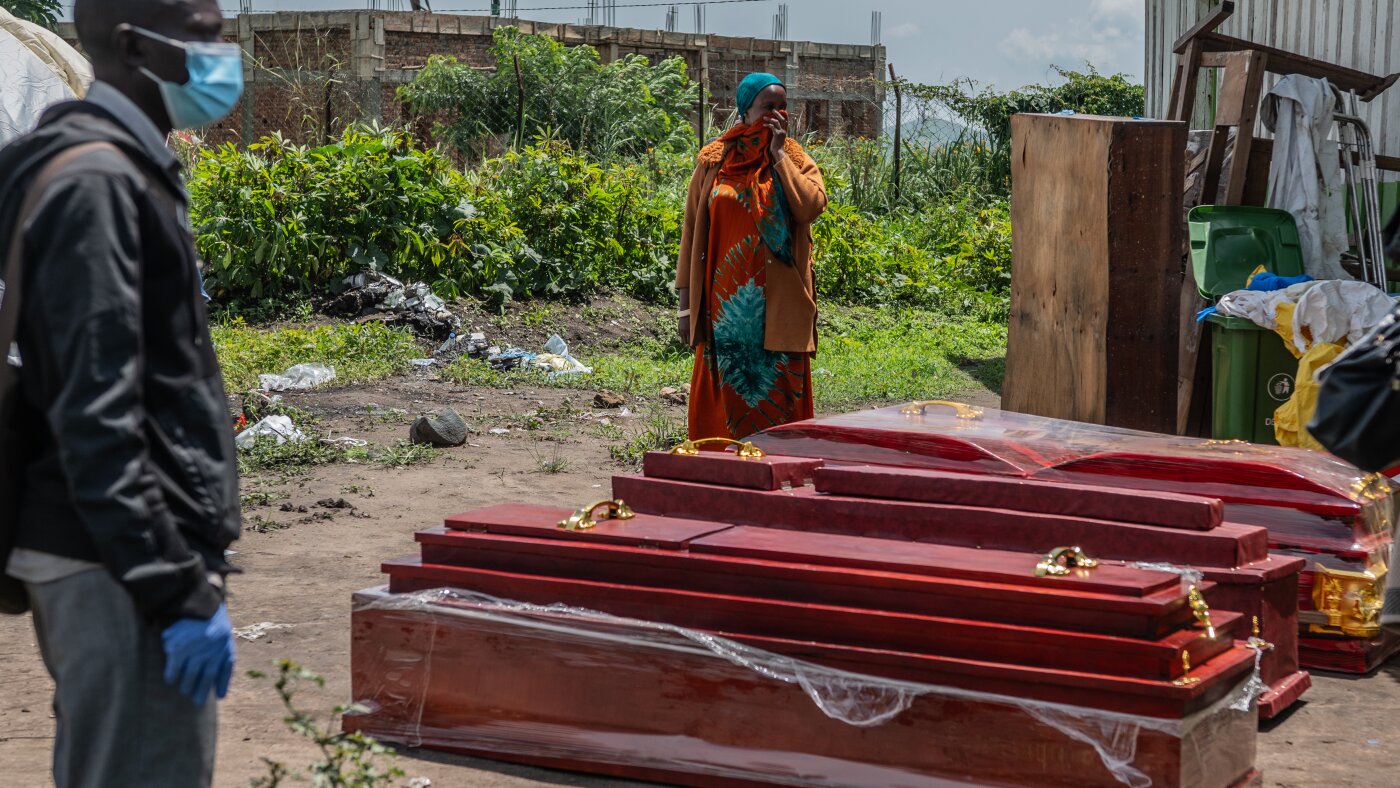
At a treatment center in Rwampara, families watched in distress as healthcare workers in protective gear disinfected the bodies of suspected Ebola victims. They had to hurry to secure safe burials, a process that underscores the fear and urgency surrounding the outbreak.
Botwine Swanze, a grieving mother who lost her son, described his rapid decline: “He told me his heart was hurting… Then he started bleeding and vomiting a lot.” Ebola spreads quickly through contact with bodily fluids, and symptoms often mimic other illnesses, complicating diagnosis.
The WHO has declared this outbreak a public health emergency, emphasizing the swift and large scale of the epidemic. “Given the scale, we are thinking that it has probably started a couple of months ago,” said Anaïs Legand from WHO’s emergencies program. Currently, there are 51 confirmed cases in Congo, with projections predicting that the actual number may exceed 1,000 due to underreporting.
Systemic Challenges
This marks Congo’s 17th Ebola outbreak, and with each instance, the country has found itself struggling to respond effectively. Dr. Vasee Moorthy from WHO stated that a vaccine for the Bundibugyo virus won’t be available for at least six to nine months. The region already suffers immense pressure from conflict and a weakened health system.
Eastern Congo’s situation reflects the broader implications of cuts to foreign aid, particularly during the Trump administration. The U.S. has pledged $23 million for emergency clinics, but many areas still lack essential support.
Daily Life Amid the Crisis
Despite the outbreak, life continues in some areas. Schools and churches in Bunia remain open, and some people wear masks. However, in other parts of Ituri province, suspected patients are sharing hospital wards with others who are unwell.
Doctors Without Borders reported that they found no available isolation wards for suspected Ebola patients, showcasing the overwhelmed healthcare facilities. Many hospitals are already filled to capacity, which raises concerns about proper patient care.
In Mongbwalu, where the first known Ebola death occurred, locals are spreading awareness, but basic hygiene measures like public handwashing stations are lacking. With around 30 suspected Ebola patients currently being treated, the local medical director expressed concerns about the facility’s ability to cope.
A U.S. citizen who tested positive for Ebola has been transported to Germany for treatment, and similar measures are being taken for others who may have come into contact with the virus.
The situation remains unstable, and experts stress the urgent need for public health interventions. “If confirmed cases surge, we have no protection,” a local medical director lamented, highlighting the critical nature of this ongoing crisis.
